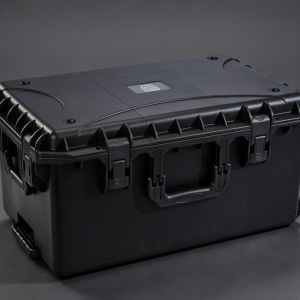
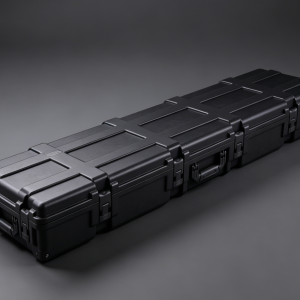
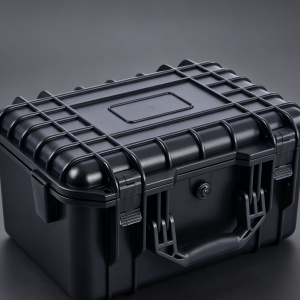
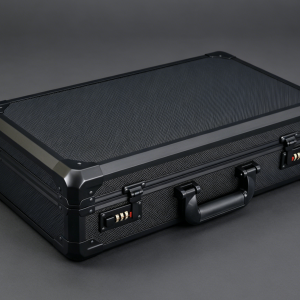
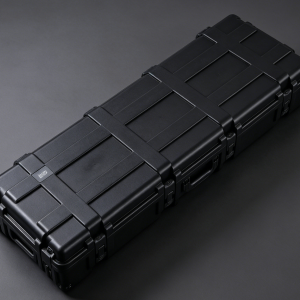
When purchasing a toolbox, color is often an overlooked detail. Some people assume that the brighter the color, the easier the toolbox is to find, making it more practical. However, toolbox color selection is not simply about choosing the most noticeable color. The working environment, tool organization, brand identity, cleaning requirements, and long-term use should all be considered.For businesses purchasing toolboxes in bulk, the right color can improve workplace identification and support an organized tool management system. Instead of choosing the brightest color, companies should select a color that matches the actual application.
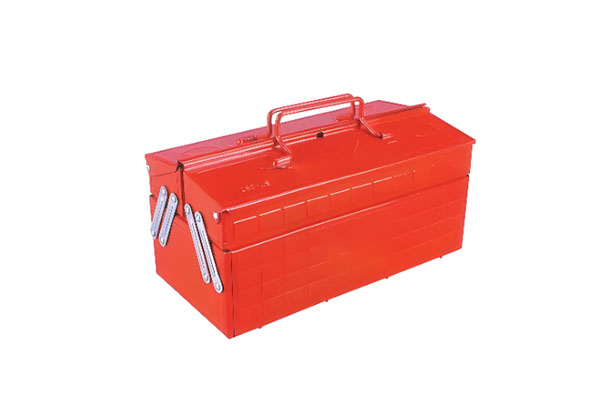
What Are the Advantages of Bright Toolbox Colors?
Improve Toolbox Visibility
Bright colors such as red, orange, and yellow have a strong visual presence. In workshops, warehouses, construction sites, and other areas where many tools are stored, brightly colored toolboxes can be easier to locate.
When a toolbox is placed near equipment, vehicles, or other materials, a distinctive color can create visual contrast and help workers identify its location more quickly.
Suitable for Outdoor Work
Outdoor construction, road maintenance, equipment installation, and similar operations often cover large working areas. Toolboxes may be placed on the ground, beside vehicles, or near machinery. Colors such as orange, yellow, and red can provide good visibility in complex outdoor environments, making them suitable when tools need to be located quickly.
Support Tool Classification
Companies can assign different toolbox colors to different departments, positions, or tool categories. For example, blue can be used for mechanical maintenance, yellow for electrical tools, and red for emergency tools.
By following a consistent color-coding system, companies can make it easier for employees to identify the right toolbox and reduce the chance of selecting the wrong tools.
Are There Any Limitations to Bright Colors?
They May Not Match Your Brand Identity
If a company’s brand uses dark blue, black, gray, or other professional colors, choosing a highly bright orange or yellow toolbox may create a visual difference from the company’s existing logo, vehicles, and uniforms.
For businesses that use toolboxes at customer locations, color is not only related to visibility but can also contribute to the company’s overall professional image. Therefore, toolbox color selection should balance visibility with brand consistency.
Different Environments Require Different Colors
Bright colors are not necessarily suitable for every application. In indoor repair workshops or professional equipment maintenance environments, black, dark gray, or silver toolboxes may provide a more coordinated appearance.
If a toolbox is mainly used to carry precision instruments, inspection equipment, or professional devices, high visibility may not be the most important purchasing factor. In these applications, material, dimensions, protection, and internal organization may deserve greater attention.
Color Cannot Replace Functional Design
The practicality of a toolbox ultimately depends on its overall construction and protective performance. Even a highly visible toolbox will not meet long-term requirements if the case lacks sufficient strength, the locks are unreliable, or the internal storage system cannot secure tools properly.
When selecting a toolbox, businesses should also evaluate material, load capacity, waterproof performance, impact resistance, locks, handles, and internal EVA foam inserts.
Which Toolbox Colors Are Suitable for Different Applications?
Black and Dark Gray: Suitable for Professional and Industrial Environments
Black and dark gray are classic toolbox colors that work well for automotive repair, mechanical maintenance, factory workshops, and equipment servicing. They coordinate well with industrial equipment and are also suitable for corporate bulk purchasing.
For companies that prioritize a professional appearance and consistent long-term visual identity, dark-colored toolboxes can be a practical option.
Silver: Suitable for Aluminum Toolboxes
Silver can highlight the metallic appearance of aluminum and is commonly used for engineering tools, equipment maintenance, and instrument transportation.
For companies that want the material characteristics of an aluminum toolbox to remain visible, silver is a widely used option.
Blue: Suitable for Corporate Tool Management
Blue offers a balance between visibility and a professional appearance. It can be used for mechanical maintenance, engineering services, manufacturing, and corporate tool management.
If blue is already part of a company’s brand identity, a customized blue toolbox can help maintain consistency across the company’s visual system.
Red, Orange, and Yellow: Suitable for High-Visibility Applications
Red, orange, and yellow are suitable for construction, road maintenance, outdoor repair, and emergency tool management. Their strong visual presence makes it easier for workers to locate toolboxes in busy working environments.
How Should Businesses Choose a Custom Toolbox Color?
Consider the Working Environment
First, determine where the toolbox will mainly be used. Indoor workshops may be better suited to black, gray, blue, or silver, while outdoor engineering applications can benefit from orange, yellow, or red colors with stronger visibility.
Consider Your Brand Identity
For businesses ordering customized toolboxes, consider the company logo, service vehicles, uniforms, and official brand colors. A consistent color scheme can turn toolboxes into an extension of the company’s visual identity.
Consider Tool Management Requirements
If a company has multiple departments, different colors can be used to establish a toolbox classification system. For example, mechanical, electrical, maintenance, and emergency tools can each be assigned a specific color.
This approach provides greater practical value than choosing a color simply because it is bright or visually attractive.
The Key to Toolbox Color Selection Is Choosing the Right Color
Toolbox colors are not necessarily better simply because they are brighter. Bright colors can improve visibility and are suitable for outdoor construction, emergency maintenance, and applications where tools need to be located quickly. Black, gray, and silver are often more suitable for industrial maintenance, equipment servicing, and professional working environments.
For business purchasing, toolbox color selection can be based on four key factors: working environment, identification requirements, brand identity, and tool classification. For toolboxes intended for long-term use, color should also be considered together with material, construction, protective performance, and storage design.
Effective toolbox color customization is not about choosing the most eye-catching color. Instead, it is about finding the right balance between visual identification and practical performance. Selecting a toolbox color according to the actual application can make the product more useful for everyday work and more effective for business tool management.