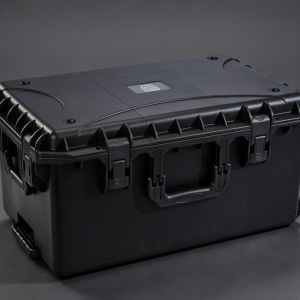
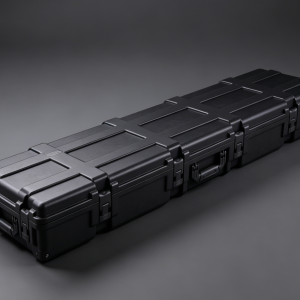
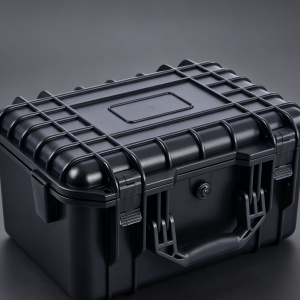
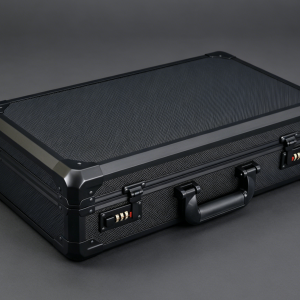
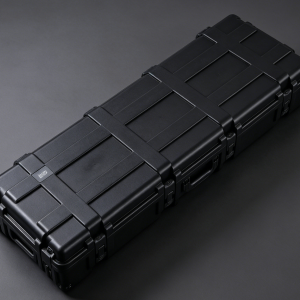
The color of a toolbox affects more than its appearance. It can also influence tool management, workplace identification, and daily maintenance. While black and gray toolboxes are common in industrial environments, white toolboxes are increasingly used in laboratories, electronics manufacturing, precision maintenance, showrooms, and other professional workplaces because of their clean and modern appearance. So, are white toolboxes practical? What advantages do they offer, and what cleaning challenges should users consider?
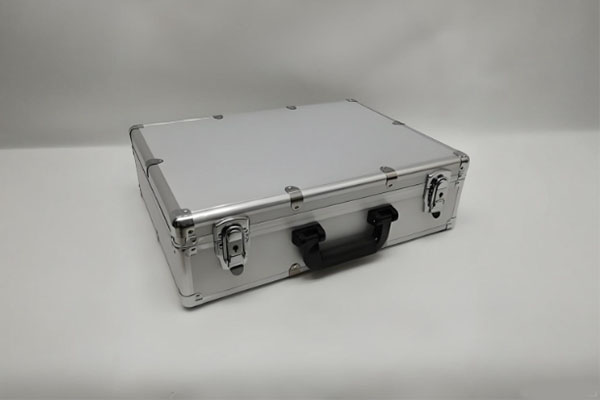
What Are the Advantages of White Toolboxes?
A Clean and Professional Appearance
White has a clean, bright, and modern visual appearance, making white toolboxes suitable for workplaces where a neat professional environment is important. They can be used in electronics assembly areas, laboratories, R&D centers, medical equipment maintenance areas, and corporate display spaces.
For businesses, white toolboxes can also coordinate with workbenches, equipment, and corporate branding, helping create a consistent visual style throughout the workplace.
Contamination Is Easier to Identify
One of the main characteristics of a white toolbox is that dust, oil, metal particles, and other contaminants are easier to see. Although this means the toolbox may require more frequent cleaning, it can be an advantage in workplaces where cleanliness is an important part of daily management.
Visible contamination allows workers to identify cleaning needs quickly and prevent dirt from accumulating on the toolbox surface over time.
Useful for Color-Coded Tool Management
In large factories, workshops, and storage areas, different toolbox colors can be used to identify different departments, tool categories, or working areas. White can serve as one of these identification colors and provide a clear visual distinction from darker toolboxes.
A color-coded management system can help workers identify tools more quickly and improve organization and efficiency in the workplace.
Where Are White Toolboxes Suitable?
Laboratories and Electronics Manufacturing
Laboratories and electronics manufacturing facilities often place greater emphasis on workplace cleanliness. Because dirt and dust are easy to identify on a white surface, white toolboxes can be suitable for environments that require regular cleaning and visual management.
For precision electronics maintenance, businesses can also consider toolboxes made from anti-static materials or other application-specific materials when necessary.
Indoor Maintenance and Equipment Servicing
White toolboxes can work well for office equipment maintenance, laboratory equipment servicing, instrument installation, and similar indoor applications. Their bright appearance can coordinate well with indoor work environments and create a more modern visual impression.
Brand Display and Custom Applications
White toolboxes can also provide a flexible base for customized products. Businesses can add logos, text, graphics, or other branding elements to the toolbox surface, allowing the product to serve both as a storage solution and a brand display tool.
For after-sales service teams, equipment maintenance teams, and technical personnel who need consistent corporate equipment, a white toolbox can become an integrated part of their professional work setup.
What Are the Cleaning Challenges of White Toolboxes?
Dirt Is More Visible
The main advantage of white is also its biggest cleaning challenge. Oil, dust, fingerprints, soil, and metal particles are generally more noticeable on white surfaces. When a toolbox is frequently used for mechanical repair or construction work, visible stains can accumulate quickly.
As a result, white toolboxes are better suited to workplaces where regular cleaning can be incorporated into daily maintenance routines.
Dark Scratches Are More Noticeable
Deep scratches, surface wear, or areas where a coating has been damaged can appear more obvious on a white toolbox because of the contrast. Frequent handling, impact, and dragging can increase surface wear.
For demanding industrial applications, attention should be paid to impact resistance, surface abrasion resistance, and reinforced corners when selecting a white toolbox.
Long-Term Contamination Can Affect Appearance
If oil or other contaminants remain on the toolbox surface for an extended period, simple wiping may not be enough to restore its original appearance. White toolboxes should therefore be cleaned according to the level of contamination to prevent stains from becoming difficult to remove.
How Should a White Toolbox Be Cleaned?
Remove Dust Regularly
For ordinary dust, use a soft dry cloth, damp cloth, or soft brush. Regular dust removal helps prevent dirt from accumulating and keeps the toolbox looking clean.
Treat Oil Stains Appropriately
Toolboxes used for mechanical repair or automotive maintenance may come into contact with lubricants and oils. When cleaning these stains, select a cleaning product that is compatible with the toolbox material. Avoid products that could corrode the material or damage the surface coating.
Use Cleaning Methods Suitable for the Material
Plastic, metal, and composite toolboxes can have different surface treatments and material properties, so they should not necessarily be cleaned in exactly the same way. Before using a cleaning agent, check its compatibility with the toolbox material and avoid aggressive solvents that may cause surface damage.
Are White Toolboxes Practical?
White toolboxes are not limited to applications where appearance is the main consideration. Their clean appearance, easy-to-identify contamination, and strong visual distinction make them suitable for laboratories, electronics manufacturing, indoor equipment maintenance, precision work, and customized branding applications.
At the same time, white toolboxes require more attention to cleaning, and stains and scratches may be more visible. When choosing a white toolbox, businesses should consider the working environment, tool weight, usage frequency, material properties, and maintenance requirements.
For businesses that need to combine appearance, tool organization, and brand identity, white toolboxes can be customized in terms of dimensions, structure, materials, and surface treatment to meet the requirements of different professional working environments.