When buying a heavy-duty drawer tool box, the question that often causes the most hesitation is not how many drawers it has, but which material will last longer. After all, a tool box is not storing clothes. Wrenches, sockets, pliers, and power tool accessories can quickly add a lot of weight. The wrong material may look fine at first but can eventually lead to deformed drawers, an unstable box, or surface rust. If you need a heavy-duty tool box for repair work, workshops, or industrial use, it is worth understanding the differences between steel, stainless steel, and aluminum alloy before making a purchase.
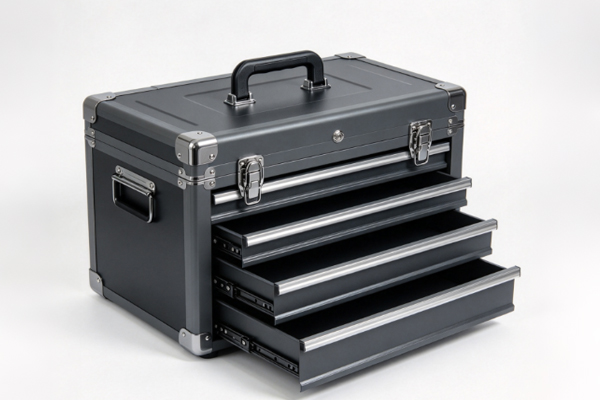
What Material Is Best for a Heavy-Duty Drawer Tool Box?
If you search for “what material is best for a heavy-duty tool box,” steel tool boxes are often one of the first options to consider. The reason is simple: steel offers good strength and load-bearing capacity and is suitable for storing heavy repair tools over long periods. However, different types of steel and manufacturing processes can also affect actual performance, so choosing a product simply because it is labeled “steel” is not enough.
- Cold-rolled steel tool boxes: They offer good strength and rigidity and are suitable for repair workshops, automotive repair, machining, and other environments where heavy tools need to be stored for long periods.
- Stainless steel tool boxes: They provide better corrosion resistance and are more suitable for damp environments or workplaces where surface cleanliness is important.
- Aluminum alloy tool boxes: They are relatively lightweight and easier to carry, but when used in a heavy-duty drawer design, special attention should be paid to the strength of the frame, drawer bottom, and connection points.
- Standard thin steel sheets may offer a lower price, but if the box will hold large quantities of sockets, wrenches, and other heavy tools for a long time, the load capacity of the box and drawers needs to be checked carefully.
A heavy-duty tool box should not be judged by material name alone. Sheet thickness, frame construction, drawer slides, and welding quality also matter. Two steel tool boxes can feel very different in actual use. If you have a large collection of heavy tools, it is better to consider whether the box will remain stable when fully loaded rather than focusing only on its empty weight and appearance.
What Are the Advantages of a Steel Heavy-Duty Tool Box? Why Is It Commonly Used by Repair Workers?
Steel heavy-duty drawer tool boxes are widely used in repair workshops, automotive repair shops, and equipment maintenance because they offer a practical combination of durability and load capacity. Many repair tools are already heavy, and when drawers are opened and closed frequently and the box is moved or occasionally bumped, the structure needs to withstand long-term use.
- High load capacity: Suitable for sockets, wrenches, jack accessories, and various mechanical repair tools.
- A rigid box structure helps reduce noticeable movement when the tool box is fully loaded.
- Drawers make tool organization easier, allowing different tool sizes and types to be stored separately.
- Powder coating or baked paint finishes can further improve everyday wear resistance and surface protection.
For people who use a tool box at a repair workstation every day, the biggest advantage of a heavy-duty steel tool box is not simply that it “looks strong.” It needs to handle frequent use. Drawers may be opened dozens of times a day, new tools may be added regularly, and the box may occasionally experience bumps or impacts. These are the situations that really test tool box quality.
Where Are Stainless Steel and Aluminum Alloy Heavy-Duty Drawer Tool Boxes Suitable?
If the working environment is more demanding, a standard steel tool box may not always be the only option. Stainless steel and aluminum alloy each have their own advantages. Stainless steel is more focused on corrosion resistance and easy cleaning, while aluminum alloy is more focused on reducing weight. Before choosing, think about whether the tool box will stay in one location or need to be carried frequently.
Stainless steel heavy-duty tool boxes are suitable for damp environments, areas exposed to moisture, or workplaces with higher cleaning requirements. They are less prone to the obvious rust problems associated with standard steel and are relatively easy to clean. However, stainless steel products are usually more expensive. If the tool box will only be used in a normal dry workshop, choosing stainless steel may not be necessary.
The advantage of aluminum alloy tool boxes is more straightforward: they are lightweight. For repair workers who frequently transport tools, reducing the weight of the box can make a noticeable difference. However, if you specifically need a heavy-duty drawer tool box, do not look only at how light the aluminum alloy box is. Check the drawer load capacity, slide strength, and overall frame construction as well.
What Else Should You Check When Choosing a Heavy-Duty Drawer Tool Box?
Material is only the starting point. The structure and small details also determine whether a heavy-duty drawer tool box is convenient to use. Once the box is fully loaded, its weight can increase significantly, so the drawer slides, bottom support, casters, and handles all need to be strong enough. For mobile models, check whether the casters are durable and whether the brakes work reliably. For a tool box placed beside a fixed workbench, stability and drawer load capacity may deserve more attention. The drawers should open and close smoothly, while the internal space should make tool organization easy. Otherwise, even a large-capacity tool box can become difficult to use if everything ends up piled together.
- If you have many heavy repair tools: A steel drawer tool box with strong load-bearing capacity is worth considering.
- For damp environments or frequent cleaning: Stainless steel can make maintenance easier.
- If tools need to be carried frequently: The lightweight advantage of aluminum alloy becomes more useful.
- For long-term workshop use: Pay close attention to the box structure, drawer slides, and overall load capacity.
- If the tool box needs to move often: Check the casters, brakes, and push handle. Stability when fully loaded matters more than how the empty box feels.
There is no single material that is best for every heavy-duty drawer tool box application. For automotive repair, mechanical repair, equipment maintenance, and industrial workshops, steel tool boxes are generally well suited to heavy-duty use. Stainless steel is worth considering in damp environments, while aluminum alloy can be a practical choice when frequent transportation is required. A tool box worth buying is not simply one made from a durable-sounding material. It should remain stable when fully loaded, have smooth-running drawers, be easy to move, and withstand everyday long-term use.