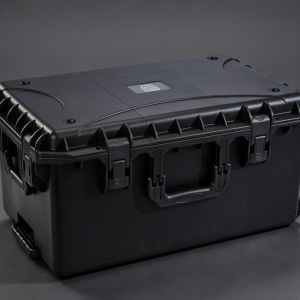
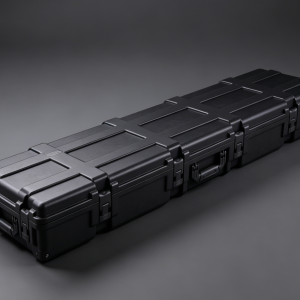
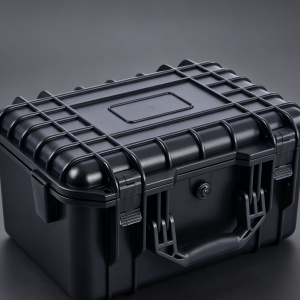
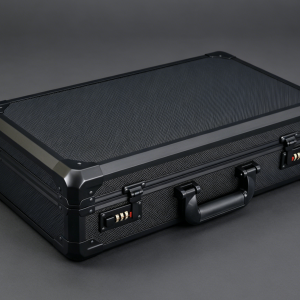
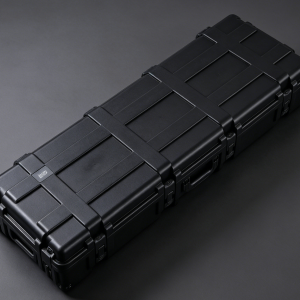
Metal toolboxes are widely used in industrial production, automotive repair, equipment maintenance, and outdoor work. During use, metal materials may be exposed to moisture, friction, impact, and chemicals. Surface finishing is therefore an important factor affecting a toolbox’s appearance, corrosion resistance, and service life. Common surface finishing methods for metal toolboxes include powder coating, liquid painting, electroplating, and other rust prevention treatments. Understanding the characteristics of these processes helps businesses select suitable products based on their working environments and budgets.
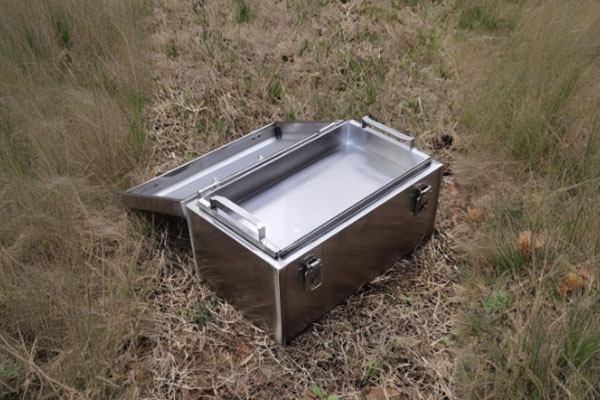
Common Surface Finishing Methods for Metal Toolboxes
Powder Coating: Balancing Appearance and Wear Resistance
Powder coating is one of the most commonly used surface finishing methods for steel toolboxes. The process involves applying powder coating material to a metal surface, often through electrostatic spraying, followed by heating to cure the coating.
Powder coating offers a wide range of color options, uniform coverage, and good wear resistance. It is suitable for workshop toolboxes, industrial storage cabinets, and maintenance equipment. Selecting an appropriate powder coating material and controlling the coating thickness can improve surface protection.
However, powder coatings are not completely immune to damage. If the surface is deeply scratched or the coating peels off, exposed steel may still rust. Avoiding repeated contact with sharp objects helps maintain the protective layer.
Liquid Painting: Flexible Appearance Customization
Liquid painting uses a spray gun to apply paint evenly to a metal surface. It supports various appearance designs and color customization requirements. Compared with powder coating, liquid painting can offer greater flexibility for certain complex structures and localized repairs.
For metal toolboxes that need to match corporate brand colors or specific industrial environments, buyers can select suitable colors, gloss levels, and surface effects according to the coating system. Actual protective performance depends on the primer, topcoat, coating thickness, curing conditions, and surface preparation quality. Buyers should not judge coating performance by appearance alone.
Electroplating: Improving Metal Surface Properties
Electroplating is an electrochemical process that deposits a layer of another metal or alloy onto a metal surface. Depending on the application, it can improve appearance or provide a certain level of corrosion resistance for metal components, fasteners, and hardware accessories.
For metal toolbox products, electroplating is more commonly used on screws, locks, and other hardware components rather than on the entire enclosure. Different plating materials provide different levels of protection, and actual performance depends on coating quality, thickness, and the operating environment.
How to Prevent Rust on Metal Toolboxes
Prepare the Metal Surface Properly
Before applying paint or other coatings, the metal surface usually needs to be cleaned to remove oil, dust, and rust. Depending on the material and manufacturing process, additional treatments such as degreasing, rust removal, and phosphating may be required.
Proper surface preparation helps improve coating adhesion and reduces the risk of blistering, peeling, and localized corrosion. Even high-performance coatings may deliver poor results if the underlying metal surface is not adequately cleaned.
Choose Protection Based on the Material
For steel toolboxes, maintaining the integrity of the rust-resistant coating is essential, particularly around welded joints, bent edges, and areas where water may accumulate. For aluminum toolboxes, suitable options may include anodizing, compatible coatings, or other surface protection treatments, depending on the intended application.
Although aluminum generally offers good natural corrosion resistance, it is not immune to corrosion under all conditions. Material type, surface treatment, and operating environment should be evaluated together.
How to Choose the Right Surface Finishing Method
Consider the Working Environment
For indoor workshop toolboxes, buyers can prioritize coating wear resistance and ease of cleaning. Outdoor toolboxes require additional consideration of rain, humidity, ultraviolet exposure, and temperature fluctuations. In high-humidity environments or locations exposed to corrosive substances, buyers should confirm the product’s corrosion resistance and request supporting test data from the supplier.
Inspect Coating Quality and Manufacturing Details
During procurement, inspect the toolbox for visible scratches, bubbles, missed coating areas, and uneven finishes. Pay particular attention to corners, welds, and hardware connection points. For bulk purchases, buyers can also request documentation covering coating thickness, adhesion, and corrosion resistance testing.
Conclusion
The surface finishing of metal toolboxes affects not only their appearance but also their wear resistance, corrosion resistance, and long-term performance. Powder coating is suitable for products requiring uniform coverage and a wide range of colors, while liquid painting offers flexibility for customized appearances. Electroplating is more commonly used for specific metal hardware components.
By selecting an appropriate surface finishing method based on the metal material, working environment, and quality requirements, businesses can improve the durability and practical value of their metal toolboxes.