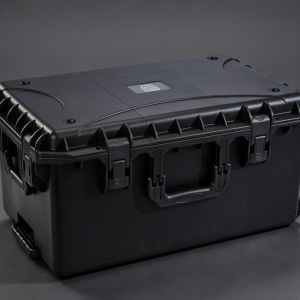
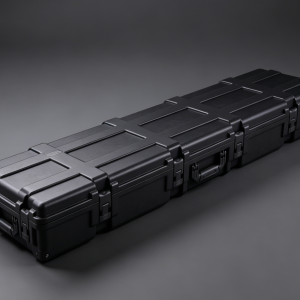
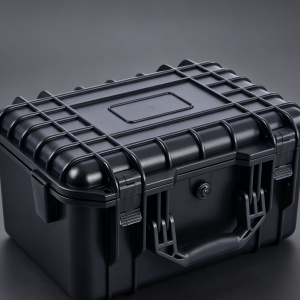
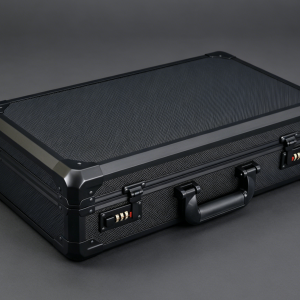
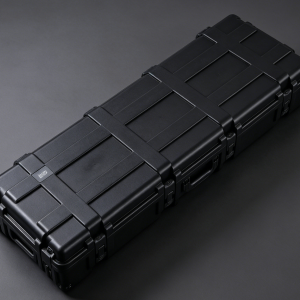
Metal toolboxes are widely used in industrial production, automotive repair, equipment maintenance, and outdoor work. For business buyers and professional users, a toolbox needs to offer not only practical storage capacity but also reliable structural strength and a long service life. The type of metal, material thickness, corrosion resistance, and surface finishing all influence the toolbox’s performance over time. Understanding the characteristics of different materials helps buyers choose a durable metal toolbox that meets their specific working requirements.
How Do Metal Materials Affect Toolbox Service Life?
Steel Affects Structural Strength and Load-Bearing Capacity
Steel toolboxes offer good structural strength and are suitable for storing wrenches, socket sets, power drills, and other relatively heavy tools. In industrial workshops and mechanical repair environments, a properly designed steel enclosure can withstand substantial loads and reduce the risk of deformation during everyday use.
However, steel toolbox durability also depends on sheet thickness, enclosure structure, welding quality, and surface protection. If the steel panels are too thin or the joints are poorly designed, the overall service life may be reduced even when the material itself has high strength.
Aluminum Alloy Offers Lightweight Construction and Corrosion Resistance
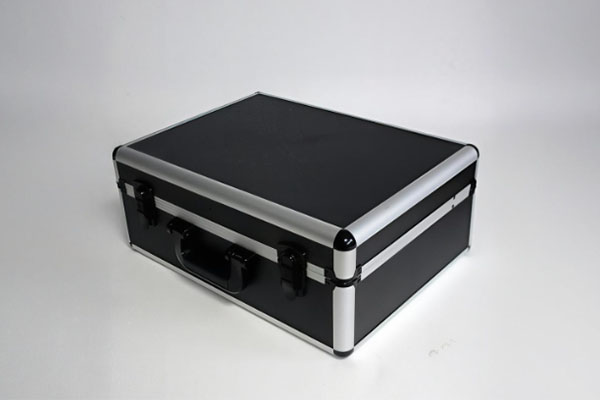
Aluminum toolboxes are lightweight, easy to carry, and generally offer good corrosion resistance. They are suitable for outdoor maintenance, vehicle installations, and mobile work applications. Compared with some steel toolboxes, aluminum models can reduce the burden of frequent handling.
However, the actual strength of aluminum alloy depends on its grade, material condition, and structural design. For applications involving heavy tools, buyers should evaluate panel thickness, frame strength, and bottom support rather than judging performance by weight alone.
Stainless Steel Meets Specific Corrosion-Resistance Requirements
Stainless steel toolboxes offer good corrosion resistance and may be suitable for certain humid environments and workplaces with strict cleaning requirements. Compared with ordinary carbon steel, an appropriate stainless steel grade can reduce the risk of corrosion under common operating conditions.
Nevertheless, stainless steel is not completely corrosion-proof in every environment. Its performance depends on the grade, chloride concentration, surface condition, and cleaning methods. Buyers should select the appropriate material specifications based on actual working conditions rather than relying on the term “stainless steel” alone.
What Factors Can Shorten the Service Life of Metal Toolboxes?
Inadequate Material Thickness and Structural Design
Sheet thickness affects a toolbox’s resistance to bending and impact. When heavy tools are stored for extended periods, insufficient panel thickness or weak support structures may cause dents and deformation. The quality of handles, locks, hinges, and drawer slides also influences overall durability.
Insufficient Surface Finishing and Rust Protection
Steel toolboxes without effective surface protection are more susceptible to corrosion in humid environments. Powder coating, liquid painting, and other suitable protective treatments help reduce direct exposure of the metal surface to environmental factors.
The effectiveness of surface protection also depends on surface preparation, coating adhesion, and complete coverage. If scratches or coating damage occur during use, the affected areas should be inspected and repaired appropriately.
Different Operating Environments and Maintenance Practices
Frequent transportation, strong impacts, continuous overloading, and exposure to corrosive substances can accelerate toolbox wear. Regular cleaning, keeping the interior dry, inspecting fasteners, and avoiding loads beyond the rated capacity can help extend product service life.
How to Choose a More Durable Metal Toolbox
Select Materials Based on the Application
For industrial workshops and heavy-duty repair work, buyers can prioritize steel toolboxes with sturdy structures. For applications requiring frequent handling or vehicle mounting, aluminum toolboxes may be worth considering. In humid environments or locations with specific corrosion risks, the appropriate steel grade and surface protection should be selected according to actual conditions.
Evaluate Material Specifications and Manufacturing Quality
When purchasing a metal toolbox, confirm the material specifications, sheet thickness, load capacity, and surface finishing method. Inspect critical areas, including welded joints, enclosure corners, handles, and locks. For bulk procurement, buyers can request relevant material certificates, load-bearing test reports, or corrosion resistance test documentation from suppliers.
Conclusion
The service life of a metal toolbox is closely related to material selection, but it is not determined by a single factor. Steel is suitable for applications prioritizing structural strength and load-bearing capacity, aluminum alloy is useful when lightweight construction and corrosion resistance are important, and stainless steel can serve environments with specific corrosion protection requirements.
By considering material properties, structural design, surface finishing, and routine maintenance together, buyers can improve toolbox durability and reduce long-term operating and replacement costs.