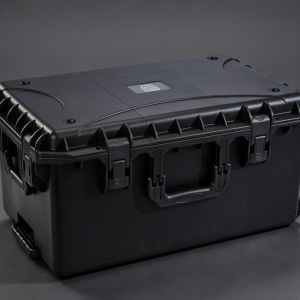
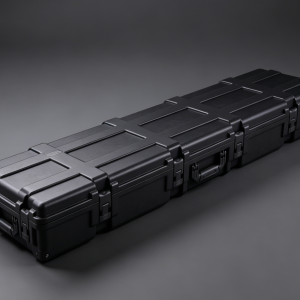
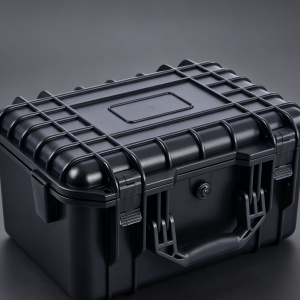
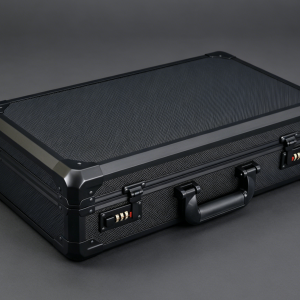
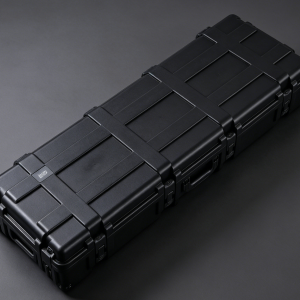
Metal toolboxes are widely used in industrial manufacturing, automotive repair, equipment maintenance, and professional tool storage. Compared with ordinary storage boxes, metal toolboxes require greater structural strength, load-bearing capacity, durability, and surface protection. A reliable metal toolbox goes through multiple manufacturing stages, including material selection, sheet metal processing, structural forming, surface finishing, component installation, and final quality inspection. Understanding this process helps buyers evaluate product quality and choose a manufacturer that meets their specific requirements.
The First Step in Metal Toolbox Manufacturing: Material Selection
Choosing Metal Sheets Based on Application
Common materials used in metal toolbox manufacturing include cold-rolled steel, stainless steel, and aluminum alloy. Cold-rolled steel offers good formability and structural strength, making it suitable for workshop toolboxes, repair toolboxes, and industrial storage boxes. Stainless steel provides better corrosion resistance and is ideal for environments requiring high standards of cleanliness and rust protection. Aluminum alloy is relatively lightweight, making it a practical choice for professional toolboxes that need to be carried frequently.
Determining Sheet Thickness and Structural Requirements
Sheet thickness affects the weight, load-bearing capacity, and manufacturing cost of a metal toolbox. Manufacturers need to determine the appropriate material specifications based on box dimensions, tool weight, handling frequency, and operating environment. Structural strength at the bottom, corners, and handle attachment points must also be considered to prevent deformation or loose connections during long-term use.
Sheet Metal Processing: Creating the Basic Toolbox Structure
Laser Cutting and Stamping
After the material specifications are confirmed, metal sheets are cut or stamped according to engineering drawings. Laser cutting is suitable for complex shapes and components requiring high dimensional accuracy. Stamping is commonly used for parts with standard holes, repeated structures, and high-volume production. Accurate dimensional control reduces assembly errors and improves manufacturing efficiency.
Bending and Structural Forming
After cutting, sheet metal components are processed using bending equipment to form side panels, bottom panels, lids, and internal dividers. Bending angles, edge dimensions, and connection positions all affect the overall structure of the toolbox. Proper bending design improves rigidity, reduces unnecessary welding operations, and creates a cleaner finished appearance.
Welding and Joining: Improving Structural Stability
Welding, Riveting, and Bolted Connections
Different types of metal toolboxes require different joining methods. Welding is suitable for metal structures that require high overall strength. Riveting is useful for connecting certain panels and frames, while bolted connections allow easier disassembly and maintenance. Manufacturers should select the appropriate process according to product design, material properties, and load-bearing requirements.
Inspecting Seams and Edges
After joining, manufacturers inspect welds, seams, corners, and fasteners to ensure that all connections are secure. Burrs and sharp edges should be removed through grinding or other finishing processes. This reduces the risk of injury during use and helps ensure that lids, drawers, and other moving components fit and operate properly.
Surface Finishing: Improving Appearance and Protection
Cleaning, Rust Removal, and Coating
Metal toolboxes often require surface treatments based on their material and operating environment. Steel products may undergo degreasing, rust removal, and painting. Some models use powder coating to improve abrasion resistance and achieve a consistent appearance. Stainless steel and aluminum alloy products can receive suitable surface treatments according to their design requirements.
Color and Appearance Customization
Surface finishing also contributes to brand identity. Manufacturers can offer different colors, textures, and logo options according to customer requirements. For OEM and ODM projects, buyers should confirm color standards, surface finishes, and logo placement before production begins to avoid inconsistencies in bulk orders.
Final Assembly and Quality Inspection
Installing Handles, Locks, and Hinges
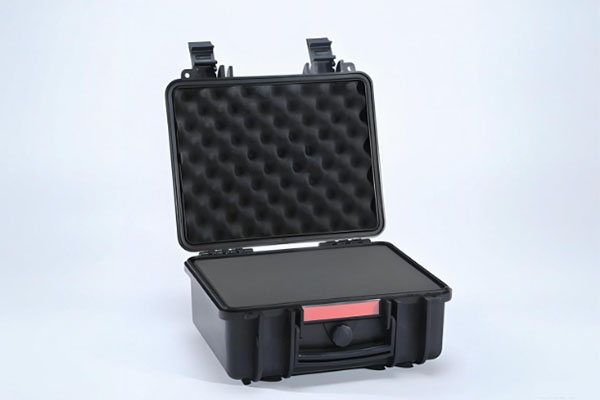
After surface finishing, the metal toolbox enters the assembly stage. Workers install handles, locks, hinges, support components, drawer slides, and internal dividers. For products designed to protect precision tools, foam inserts, compartmentalized layouts, or cushioning materials can also be added to improve storage organization and transportation safety.
Checking Dimensions, Load Capacity, and Opening Performance
Final inspection typically includes visual checks, dimensional measurements, connection strength checks, and lid and drawer operation tests. Products with specific load-bearing requirements may also undergo load testing according to applicable standards or customer agreements. Only products that meet the specified requirements should proceed to packaging and shipment.
How to Choose a Reliable Metal Toolbox Manufacturer
When purchasing metal toolboxes, buyers should consider more than price and appearance. It is important to evaluate the manufacturer’s material selection capabilities, processing technology, quality inspection procedures, and customization services. For bulk orders, buyers should confirm product dimensions, sheet thickness, load-bearing requirements, surface finishes, lock configurations, and packaging specifications in advance. Sample testing can also help verify whether the product meets actual application needs.
Siphia Box offers toolboxes and customized solutions for different application scenarios. For projects involving specific dimensions, structures, or appearance requirements, communicating product specifications and intended applications in advance can improve customization efficiency and help ensure that the finished products meet operational needs.
Conclusion
Metal toolbox manufacturing is a systematic process involving materials, structural design, fabrication, surface finishing, assembly, and quality inspection. Every stage, from sheet metal cutting and bending to joining, component installation, and final testing, affects product durability and usability. Understanding the complete metal toolbox manufacturing process enables businesses to evaluate quality more effectively and select products and manufacturing partners that suit their requirements.