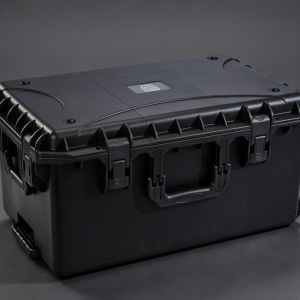
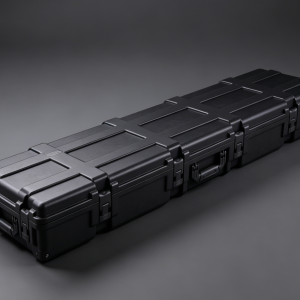
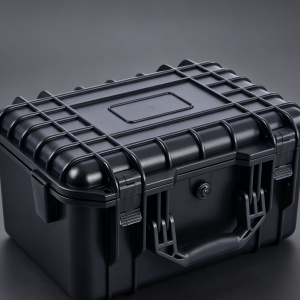
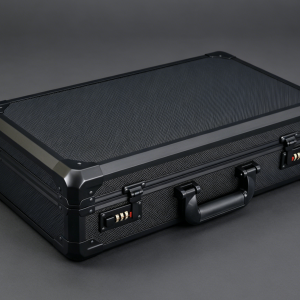
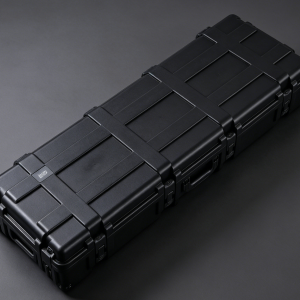
Metal toolboxes are widely used in automotive repair workshops because they offer excellent durability, structural strength, and reliable tool storage. Automotive technicians work with a wide range of tools, including wrenches, sockets, screwdrivers, pliers, and diagnostic equipment. Keeping these tools organized and accessible is essential for improving workflow efficiency and maintaining a safe working environment. Compared with ordinary storage containers, metal toolboxes provide practical advantages for demanding workshop conditions.
Excellent Durability for Demanding Workshop Environments
Strong Construction for Daily Use
Automotive repair workshops are busy environments where tools are frequently handled, moved, and stored. Metal toolboxes, particularly those made from steel, provide a sturdy structure that can withstand regular use and moderate impacts. Their rigid panels help protect stored tools from damage caused by accidental bumps or contact with other workshop equipment.
Resistance to Wear and Deformation
In professional repair environments, storage equipment may carry heavy hand tools and accessories for extended periods. A properly designed metal toolbox can maintain its shape under normal operating conditions. Reinforced corners, sturdy hinges, and secure connections further improve its service life, making metal toolboxes a practical investment for automotive repair businesses.
High Load-Bearing Capacity for Heavy Tools
Suitable for Professional Automotive Tools
Automotive technicians often use heavy-duty tools, including socket sets, torque wrenches, impact accessories, and specialized repair equipment. Metal toolboxes can be designed with reinforced structures and suitable sheet thicknesses to support these tools.
Stable Storage and Transportation
A well-designed metal toolbox helps distribute tool weight across its structure. Models equipped with strong handles, locking mechanisms, or heavy-duty casters can make it easier to transport tools between workstations. Buyers should check the specified load capacity before selecting a toolbox for heavy equipment.
Better Tool Organization and Accessibility
Organized Storage for Different Tool Categories
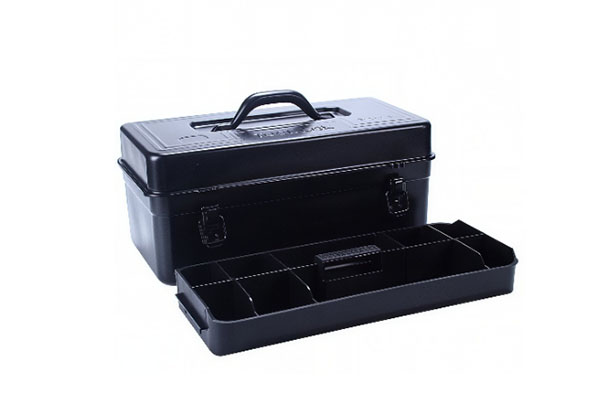
A typical automotive repair workshop requires multiple tool types for different maintenance tasks. Metal toolboxes with drawers, dividers, trays, and compartments allow technicians to separate tools by size, function, or application. This organization reduces the time spent searching for equipment and helps prevent small components from getting lost.
Improving Workshop Productivity
When tools have designated storage locations, technicians can establish consistent work routines. Drawers and compartments also make it easier to identify missing tools after a repair job. For workshops handling multiple vehicles every day, better organization can support smoother operations and more efficient task management.
Surface Protection and Easy Maintenance
Coatings for Improved Corrosion Resistance
Automotive workshops may expose storage equipment to moisture, dust, grease, and occasional chemical splashes. Steel toolboxes can use suitable protective coatings, such as powder coating, to improve surface durability and help reduce corrosion under appropriate conditions.
However, no coating makes a toolbox completely resistant to every chemical or environment. Users should clean spills promptly and select materials and finishes according to actual workshop conditions.
Simple Cleaning and Routine Inspection
Metal surfaces are generally straightforward to wipe clean with suitable cleaning products. Regular maintenance should include removing dust and grease, checking hinges and drawer slides, and inspecting locks and handles. These simple practices help keep the toolbox functional and presentable over time.
Security and Professional Appearance
Protecting Valuable Tools
Professional automotive tools can represent a significant investment. Metal toolboxes equipped with secure locks help restrict unauthorized access when technicians are away from their workstations. For shared workshops, clearly assigned drawers or compartments can also improve tool management.
Creating a Professional Workshop Environment
A consistent storage system helps keep work areas organized and reduces clutter around repair bays. Metal toolboxes are available in different sizes, colors, and configurations, allowing businesses to select storage solutions that fit their workshop layout and visual identity.
How to Choose the Right Metal Toolbox for an Automotive Workshop
When selecting a metal toolbox, workshop managers should consider storage capacity, load rating, material thickness, drawer configuration, locking systems, mobility, and surface finish. A compact toolbox may suit mobile technicians, while a large rolling tool cabinet may be more suitable for a busy repair facility.
Siphia Box provides toolbox solutions for different storage requirements. Buyers looking for customized metal toolboxes should confirm dimensions, compartment layouts, color options, and hardware specifications before placing bulk orders. Evaluating product samples and intended working conditions can help ensure the selected toolbox meets practical requirements.
Conclusion
Metal toolboxes are commonly used in automotive repair workshops because they combine durability, load-bearing capability, organized storage, and practical security features. By choosing the right structure, surface finish, and storage configuration, automotive businesses can protect valuable tools, improve daily workflow, and maintain a more organized working environment.