
Agricultural equipment operates continuously in farmland, orchards, ranches, and agricultural production bases, making routine inspection and maintenance essential throughout its service life. Maintenance personnel need to carry a wide range of professional tools while ensuring they remain protected during transportation and storage. With its lightweight construction, high structural strength, corrosion resistance, and excellent durability, an aluminum alloy toolbox has become an ideal choice for agricultural equipment maintenance. Its well-organized internal storage system keeps tools neatly arranged for quick access, improves maintenance efficiency, reduces tool damage, and provides reliable support for stable equipment operation.
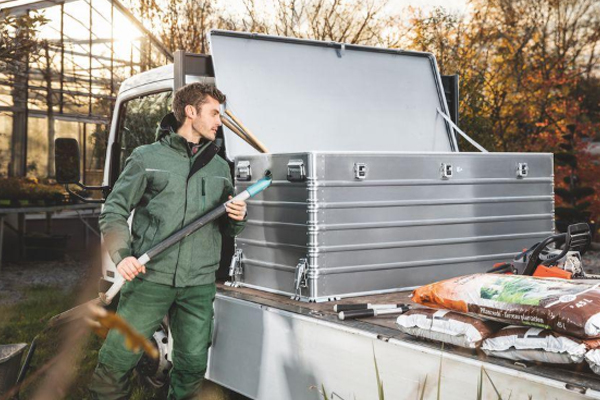
Aluminum Alloy Toolboxes Improve Agricultural Equipment Maintenance Efficiency
Agricultural equipment maintenance often requires technicians to travel between different work sites while carrying tools of various sizes. A professional aluminum alloy toolbox keeps repair tools, measuring instruments, and maintenance accessories well organized, ensuring both safety and convenience. Its durable construction minimizes vibration and impact during transportation, allowing maintenance work to be carried out more efficiently.
Advantages of Aluminum Alloy Toolboxes
Selecting a high-quality aluminum alloy toolbox not only improves tool organization but also enhances maintenance quality, providing reliable support for technicians working in demanding agricultural environments.
- Lightweight Design for Easy Transportation: The aluminum alloy structure significantly reduces overall weight while maintaining excellent strength, allowing technicians to carry tools easily across farmland, orchards, greenhouses, and large agricultural facilities.
- Strong and Durable Protection: Reinforced frames and impact-resistant construction protect repair tools and precision measuring instruments from damage during transportation.
- Excellent Environmental Resistance: Dustproof, moisture-resistant, and corrosion-resistant features enable the toolbox to perform reliably in outdoor agricultural environments while reducing rust and contamination.
A properly configured aluminum alloy toolbox improves maintenance efficiency and extends the service life of valuable repair tools.
Suitable for Various Agricultural Equipment
Tractors, combine harvesters, seeders, crop protection machinery, irrigation equipment, and agricultural processing machines all require regular inspection and maintenance. An aluminum alloy toolbox can be customized with different tool layouts to match specific maintenance tasks. Technicians can quickly perform engine inspections, hydraulic system servicing, electrical diagnostics, fastener adjustments, and component replacement, reducing equipment downtime and improving on-site repair efficiency.
Structural Design Features of Aluminum Alloy Toolboxes
Professional aluminum alloy toolboxes feature high-strength aluminum frames combined with wear-resistant panels for outstanding compression and impact resistance. The interior includes shock-absorbing foam, adjustable dividers, tool retention straps, and layered trays that can be customized according to tool size. Ergonomic handles, heavy-duty metal latches, and durable anti-slip bases improve portability while ensuring long-term reliability under demanding working conditions.
Application Scenarios and Functional Configuration of Aluminum Alloy Toolboxes
Agricultural equipment maintenance includes equipment installation, scheduled servicing, emergency repairs, mobile maintenance, and after-sales support. These demanding environments require a toolbox that combines durability, portability, and excellent tool protection. Aluminum alloy toolboxes provide dependable storage solutions that support continuous maintenance work in agricultural production.
Agricultural Equipment Maintenance Applications
Agricultural machinery technicians frequently travel between fields, farming cooperatives, machinery repair centers, and large agricultural facilities. Aluminum alloy toolboxes safely store repair tools, testing instruments, and spare components, making transportation and field servicing more convenient. Whether performing equipment installation, seasonal maintenance, or emergency repairs, technicians can quickly prepare the necessary tools, improve response speed, and help maintain uninterrupted agricultural operations.
Aluminum Alloy Toolbox Configuration
A properly organized toolbox improves maintenance efficiency and supports different types of agricultural equipment servicing.
- Mechanical Repair Tools: Includes adjustable wrenches, combination wrenches, socket sets, screwdrivers, pliers, and torque wrenches for equipment disassembly, component replacement, and mechanical adjustment.
- Inspection and Measuring Instruments: Includes digital multimeters, vernier calipers, pressure testing equipment, thickness gauges, and electrical testing devices for diagnosing equipment operating conditions.
- Maintenance Accessories: Includes lubrication equipment, cleaning supplies, spare fasteners, sealing materials, and personal protective equipment to support complete maintenance operations.
Well-planned tool configurations improve service efficiency and meet the long-term maintenance requirements of agricultural equipment.
Functional Features and Performance
| Feature | Practical Benefit |
| Lightweight Construction | Reduces carrying effort and improves mobility |
| Corrosion Resistance | Suitable for humid and outdoor environments |
| Dustproof Sealing | Keeps tools clean and protected |
| Impact Resistance | Minimizes transportation damage |
| Modular Storage | Improves tool organization and accessibility |
Aluminum Alloy Toolbox Selection and Maintenance Recommendations
Choosing the right aluminum alloy toolbox and implementing proper management practices improve maintenance efficiency while reducing tool wear. Selecting the appropriate toolbox according to equipment type and maintenance tasks also simplifies daily tool management and supports more professional repair operations.
Recommendations for Selecting an Aluminum Alloy Toolbox
Choosing the right toolbox requires careful consideration of maintenance requirements. Different agricultural equipment applications benefit from different toolbox sizes and configurations.
- Focus on Material Strength and Load Capacity: Reinforced aluminum alloy frames provide greater durability and long-term reliability.
- Evaluate Internal Storage Layout: Adjustable dividers, shock-absorbing foam, and dedicated tool slots improve organization and maximize storage efficiency.
- Consider Protection Performance: Dustproof, moisture-resistant, and impact-resistant designs are better suited for agricultural maintenance environments.
Selecting the appropriate toolbox helps support long-term maintenance work while improving overall tool management efficiency.
Aluminum Alloy Toolbox Maintenance
During regular use, the toolbox should be cleaned periodically to remove dust, mud, and oil from both the exterior and interior. Maintenance personnel should inspect the latches, hinges, handles, and sealing strips to ensure they remain in good condition. All tools should be cleaned after use and returned to their designated positions to keep the interior organized and dry. These maintenance practices reduce tool wear, extend the service life of both the toolbox and the tools, and allow technicians to begin future maintenance tasks more efficiently.
Future Development Trends of Aluminum Alloy Toolboxes
As agricultural machinery continues to become smarter and more technologically advanced, tool management is also evolving. Future aluminum alloy toolboxes are expected to integrate electronic labeling, intelligent identification systems, modular expansion capabilities, and digital management functions. These innovations will support tool tracking, rapid inventory management, and efficient organization, providing stronger support for modern agricultural equipment maintenance services.