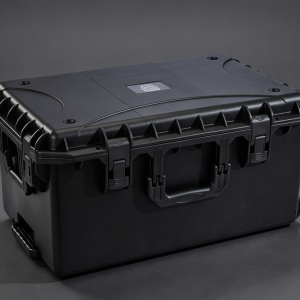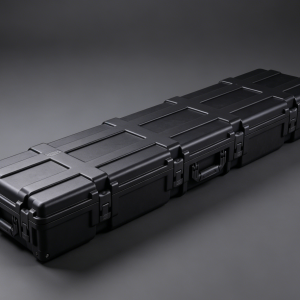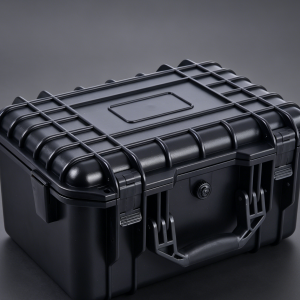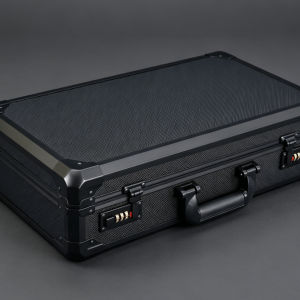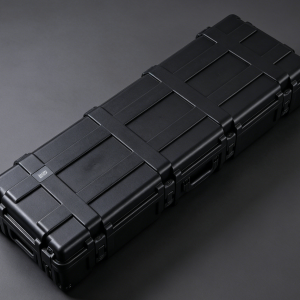
Black tool boxes do indeed absorb more solar radiation than light-colored tool boxes when exposed to sunlight. Therefore, under the same environment, material, and placement conditions, the surface of a black box will generally heat up more easily. However, “black absorbs heat easily” does not mean that a black tool box will necessarily have a significant effect on the temperature of the tools inside. The actual heating rate and internal temperature of the tool box are also affected by factors such as aluminum plate thickness, surface treatment method, box structure, lining material, ventilation conditions, sunlight exposure time, and ambient temperature.
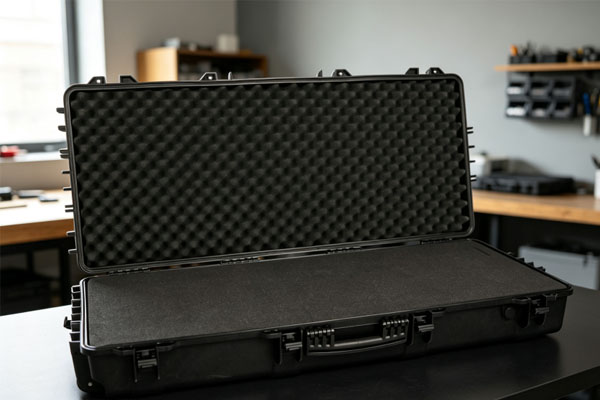
Aluminum tool boxes themselves have good thermal conductivity, so the heat absorbed by the external surface can be transferred relatively quickly to the inside of the box. Therefore, black aluminum tool boxes require greater attention to high-temperature conditions when used outdoors in summer, inside vehicle trunks, or at open-air construction sites. Especially when batteries, electronic instruments, plastic components, adhesives, or other heat-sensitive items are stored inside, safety should not be judged solely by the color of the tool box. Although a black surface absorbs solar radiation more easily, heat transfer can also be reduced to some extent through heat dissipation, air movement, and internal insulation materials.
Why Does a Black Tool Box Absorb Heat More Easily?
Black Surfaces Absorb More Solar Radiation
We perceive an object as black because it absorbs more visible light and reflects less light. When a black tool box is placed under sunlight, its surface absorbs more solar radiation and converts part of that energy into heat. In comparison, light-colored surfaces such as white and silver usually have stronger reflective capabilities, so under otherwise similar conditions, their surfaces may heat up more slowly. This is also why black cars, black metal equipment, or black plastic surfaces tend to feel hotter when touched under summer sunlight. Black aluminum tool boxes behave similarly.
The Thermal Conductivity of Aluminum Affects the Internal Temperature
Another characteristic of aluminum tool boxes is that aluminum itself has good thermal conductivity. The heat absorbed by the black surface does not remain entirely on the outer shell but is transferred along the aluminum plate to other areas. If the tool box is exposed directly to strong sunlight for an extended period, the internal temperature may gradually increase as well. Heat transfer may be more noticeable when the box has a dark-colored surface, thin aluminum plates, and no internal insulation material. However, good thermal conductivity does not necessarily mean that the inside of the tool box will become extremely hot. The tool box also releases some heat through air movement and surface heat dissipation, so actual temperature changes need to be evaluated based on the specific working environment.
Under What Conditions Does a Black Tool Box Heat Up More Noticeably?
Avoid Direct Summer Sunlight and High Temperatures Inside Vehicles
A black tool box will heat up more noticeably when exposed directly to sunlight outdoors. For example, at construction sites, maintenance locations, outdoor warehouses, and open parking areas, if the tool box is exposed to sunlight continuously for several hours, its surface temperature may become significantly higher than the surrounding air temperature. Vehicle trunks are another environment that requires attention. After a vehicle has been parked in sunlight for an extended period, the temperature inside the vehicle itself may rise considerably. If a black aluminum tool box is placed inside, it will be affected by both the hot air and solar radiation.
Surface Treatment Methods Can Also Change Heat Absorption
Not all black tool boxes heat up in exactly the same way. Black anodized surfaces, black powder-coated surfaces, and black painted surfaces may have different gloss levels and surface characteristics. Generally, dark-colored surfaces have a higher ability to absorb solar radiation, but the specific amount of heat absorbed is also related to surface gloss, texture, and coating material. Therefore, it cannot simply be assumed that all black tool boxes will reach the same temperature under sunlight. If a tool box uses an internal structure with an insulation layer, the effect of heat on the items inside may remain relatively small even if the external surface heats up quickly.
How Can the High-Temperature Effects of a Black Aluminum Tool Box Be Reduced?
Adding an Insulating Lining Can Slow Heat Transfer
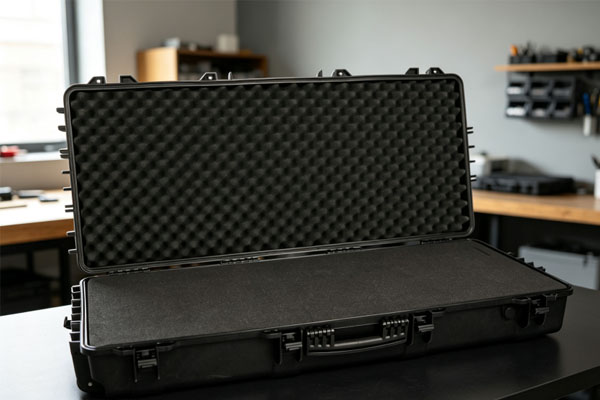
If the tool box is frequently used outdoors, EVA, foam, or other suitable insulating materials can be added inside. These materials can not only reduce collisions between tools but also create a certain degree of separation between the aluminum box body and the items inside.
When using a black tool box, the following conditions can be considered:
Avoid prolonged exposure to sunlight: When not in use, place the tool box in a shaded or covered location whenever possible.
Pay attention to vehicle shading: Do not leave the tool box inside a closed, high-temperature vehicle for extended periods.
Add internal insulation materials: When storing temperature-sensitive equipment, suitable lining materials can be used.
Do not immediately seal the box after high-temperature exposure: When the tool box is hot, place it in a ventilated area to cool down before opening or storing items.
Store Tools Properly
Different tools have different temperature tolerances. Ordinary metal tools such as wrenches and sockets generally do not require special concern about short-term temperature increases, while batteries, circuit boards, measuring instruments, and some plastic products require greater caution. If lithium batteries, power tool battery packs, or similar equipment are stored inside the tool box, prolonged exposure to high-temperature environments should be avoided. For precision testing instruments, storage should also follow the storage temperature requirements specified by the equipment manufacturer.
Frequently Asked Questions
Q1: Is a Black Tool Box Always Hotter Than a Silver Tool Box?
Answer: Under the same sunlight conditions, black surfaces generally absorb more solar radiation than highly reflective surfaces such as silver, making them more likely to heat up. However, the final temperature is also affected by factors such as material, coating, ambient temperature, wind speed, and exposure time.
Q2: Will the Inside of a Black Aluminum Tool Box Become Particularly Hot?
Answer: It may heat up, but the color alone cannot determine the internal temperature. Aluminum conducts heat relatively quickly, so if the tool box is exposed to sunlight for an extended period, the internal temperature may rise along with the box body. If the box has an insulating lining and is placed in a cool, ventilated environment, the increase in internal temperature can be controlled to some extent.
Q3: Is a Black Tool Box Suitable for Storing Batteries?
Answer: It can be used normally, but prolonged exposure to high temperatures and direct sunlight is not recommended. Batteries and power tools generally have specific storage temperature requirements and should be stored according to the product instructions.
Q4: Can a Black Tool Box Be Left in a Vehicle Trunk in Summer?
Answer: Short-term use is generally not a problem, but when a vehicle is parked in sunlight for an extended period, the temperature inside the trunk may become quite high. For electronic equipment, batteries, and precision instruments, prolonged storage should be avoided, or shading and insulation measures should be taken.
Black aluminum tool boxes do indeed absorb solar radiation relatively easily under sunlight. Compared with light-colored surfaces such as silver and white, they generally heat up more easily under the same conditions. Especially outdoors in summer, in open work areas, and inside vehicles that have been parked for extended periods, heat accumulation in a black box can be more noticeable. However, the internal temperature of a tool box is not determined by color alone. Aluminum thickness, surface treatment, box size, air movement, and whether an insulating lining is added can all affect the final temperature change.
Therefore, when only ordinary metal tools such as wrenches and pliers are stored, the heat absorption of a black tool box usually does not cause a major problem. If batteries, electronic instruments, precision equipment, or other temperature-sensitive items are stored inside, greater attention should be paid to high-temperature environments. During actual use, prolonged exposure to sunlight should be avoided whenever possible, shading should be considered when parking vehicles, and foam or insulating linings can be added as needed. After a tool box has been exposed to high temperatures and direct sunlight for an extended period, it can also be placed in a cool, ventilated location to cool down before opening and organizing the items inside. Therefore, the fact that black tool boxes absorb heat more easily is an objective physical phenomenon, but this does not mean that black tool boxes are unsuitable for outdoor use. As long as they are stored appropriately according to the working environment, and heat-sensitive tools are properly insulated and protected from high temperatures, the impact of heat on the items inside can be reduced.