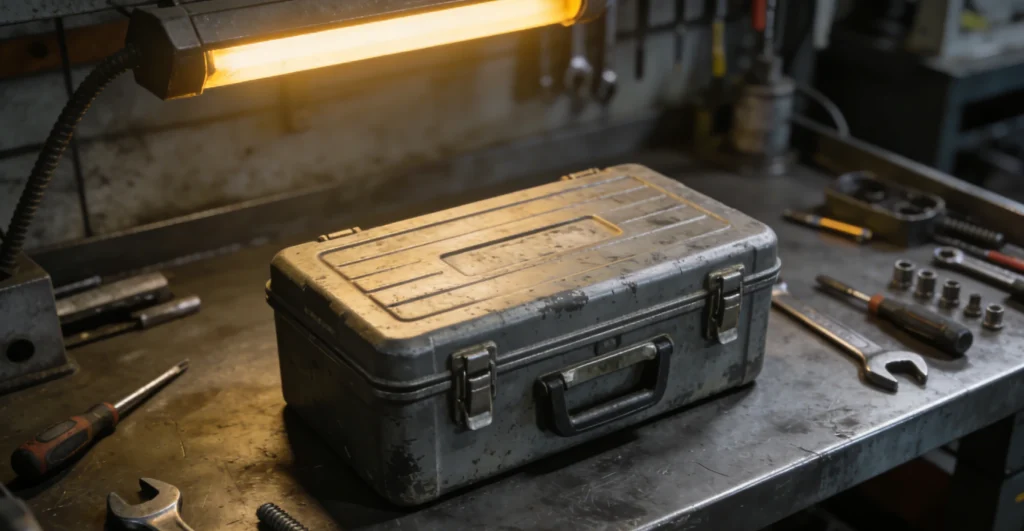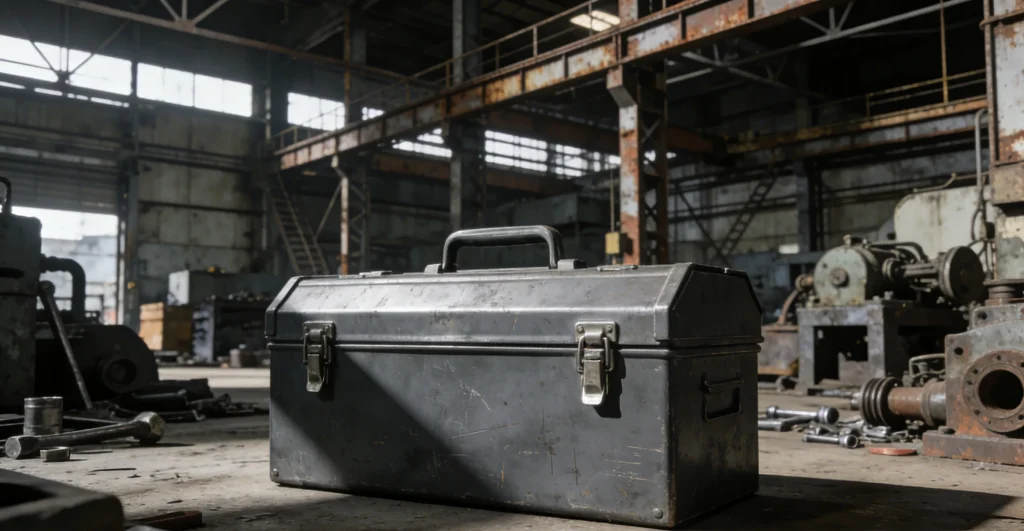
Whether it is automotive repair, equipment maintenance, factory inspection, or outdoor mechanical work, maintenance tools usually come in many varieties, including wrenches, screwdrivers, socket sets, electric drills, measuring tools, and spare parts. Without a suitable tool box, tools can easily get lost, work efficiency may decrease, and a large amount of time may be wasted searching for tools during emergency repairs. Since mechanical maintenance environments are usually complex, workers may encounter oil stains, dust, humidity, and even frequent transportation. If the tool box lacks sufficient strength, problems such as deformation, cracking, or damaged latches can easily occur.
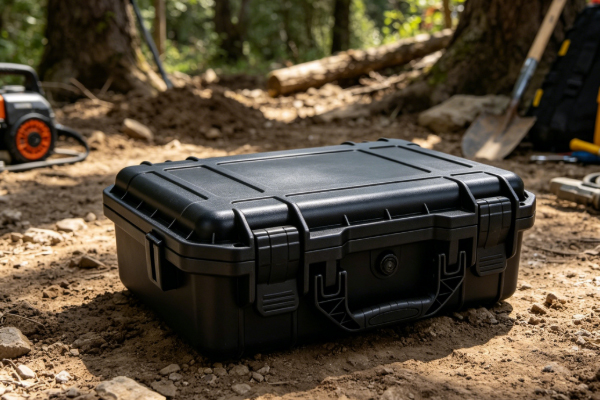
What Should Be Considered When Choosing a Mechanical Maintenance Tool Box?
- Choose the Tool Box Type Based on the Maintenance Scenario
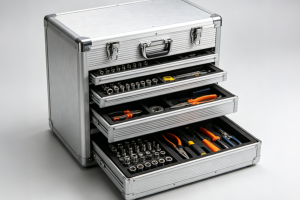
Different working environments require different tool box structures. If you frequently need to perform equipment repairs outdoors, it is recommended to choose a portable tool box or a rolling tool box for easier transportation. If you work long-term in a maintenance workshop, then a large multi-layer tool cabinet may be a better choice because it offers larger capacity and clearer organization, making it more suitable for storing large quantities of tools long-term. In addition, some mechanical maintenance workers choose “combination-style tool boxes,” where commonly used tools are stored in the upper section and larger equipment is stored in the lower section. This design is both convenient for carrying and effective for categorized management.
- Tool Box Material Determines Durability
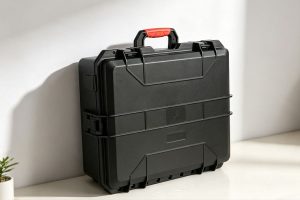
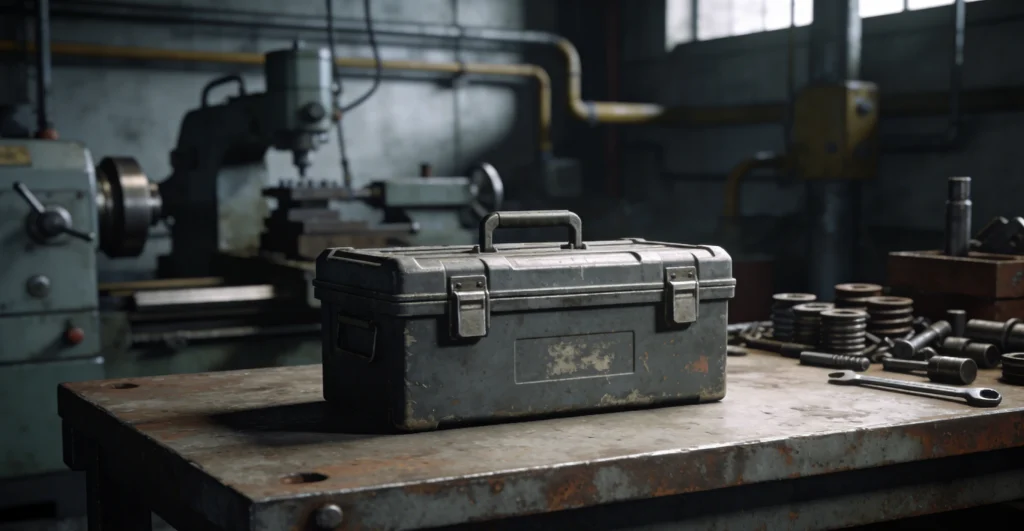
Mechanical maintenance environments place high demands on tool box strength. Common tool box materials mainly include plastic, steel, and aluminum alloy. Plastic tool boxes are lightweight and affordable, but their load-bearing capacity is limited. Steel tool boxes are sturdy and durable, making them more suitable for heavy-duty tools, but they are heavier overall. Aluminum alloy tool boxes balance strength and lightweight construction while also providing good rust resistance, so they are widely used in professional mechanical maintenance. If the tool box is frequently used in humid environments, it is recommended to prioritize materials with strong anti-rust capability to avoid rust problems after long-term use.
- Whether the Internal Layout Is Reasonable
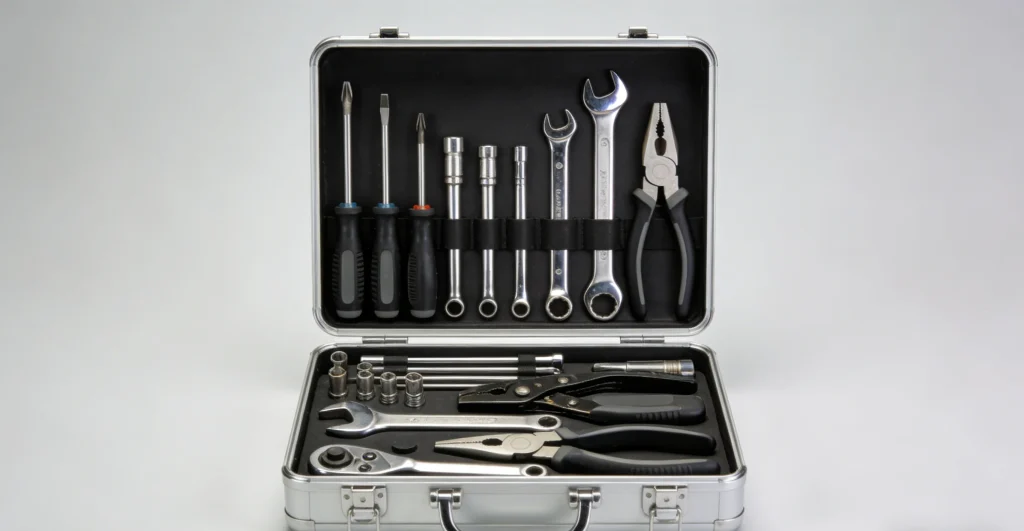
A good tool box is not only large in capacity, but more importantly, has an organized internal layout. Mechanical maintenance tools come in many varieties, and without proper internal organization, tools can easily become disorganized. It is recommended to choose tool boxes with compartments, drawers, or modular designs so that wrenches, screwdrivers, sockets, and small parts can be stored separately, improving search efficiency. Some high-end tool boxes also include foam linings or fixed slots to prevent tools from shaking and colliding during transportation.
- Locking Systems and Load Capacity Should Not Be Ignored
Many tool boxes are damaged not because the box body fails, but because the latches and hinges fail first. Mechanical maintenance tools are usually heavy, so the tool box must have strong load-bearing capacity, while the latches, handles, and rotating shafts also need to be sturdy enough. If frequent transportation is required, it is recommended to choose metal latches and reinforced handle structures for greater stability.
Why Do Professional Maintenance Workers Pay More Attention to Tool Box Quality?
For professional maintenance personnel, a tool box not only affects work convenience, but also directly affects work efficiency and tool safety. Although many inexpensive tool boxes have lower initial costs, long-term use may lead to problems such as stuck drawers, box deformation, or damaged latches, ultimately increasing replacement costs later. Although high-quality tool boxes are more expensive, they perform significantly better in terms of structural stability, organization efficiency, and durability. Especially for mechanical maintenance workers who frequently carry precision tools, a stable and durable tool box can effectively reduce the risk of tool damage and loss.
Common Questions When Buying a Mechanical Maintenance Tool Box
Q: Is a larger tool box always better?
A: No. The choice should depend on the number of tools and the working environment. A tool box that is too large may actually become inconvenient to move.
Q: Can plastic tool boxes be used for mechanical maintenance?
A: Yes, but they are more suitable for light-duty maintenance and not ideal for long-term use with heavy tools.
Q: Why do many maintenance technicians prefer rolling tool boxes?
A: Because tools are often heavy, and wheels can reduce transportation effort.
Q: What are the advantages of aluminum alloy tool boxes?
A: They are relatively lightweight while also offering good strength and rust resistance.
What Kind of Tool Box Is Needed for Different Maintenance Requirements?
For automotive repair shops, large drawer-style tool cabinets are commonly used because they need to store large quantities of socket sets, wrenches, and power tools. For outdoor mechanical maintenance personnel, portable aluminum alloy tool boxes are more suitable because they are easy to carry and provide a certain level of impact resistance. For household mechanical repairs or simple equipment maintenance, medium or small plastic tool boxes are usually sufficient for basic storage needs.
Whether for daily workshop maintenance or complex outdoor equipment servicing, a well-structured and reliable tool box can significantly improve work efficiency while reducing problems such as tool damage and loss. Therefore, when selecting a tool box, it is recommended to prioritize the actual working environment and long-term durability rather than focusing only on appearance or price.