
As the demand for logistics transportation, engineering operations, and long-distance travel continues to increase, the vehicle maintenance toolbox has gradually become an important configuration in vehicle management. Whether for daily vehicle inspections, equipment maintenance, or emergency fault handling, a well-structured and clearly organized maintenance toolbox significantly improves on-site handling efficiency. Disorganized tools, missing accessories, or improper storage not only affect repair speed but may also increase driving safety risks. A scientifically designed vehicle maintenance toolbox solution not only optimizes the vehicle maintenance process but also helps drivers and maintenance teams complete on-site handling more quickly. Through reasonable zoning, modular design, and durable structural configuration, vehicle maintenance management can be made more professional and efficient.
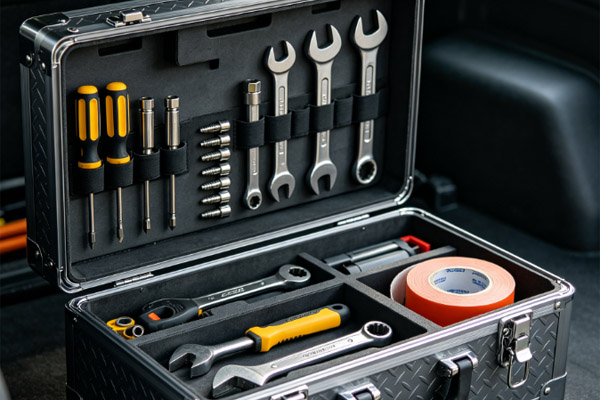
The Growing Importance of the Vehicle Maintenance Toolbox
As vehicle usage frequency continues to increase, maintenance management is no longer just simple repairs but an important guarantee of vehicle safety and operational efficiency. A reasonable toolbox configuration helps to quickly respond to different vehicle problems.
Improves On-Site Repair Efficiency and Reduces Temporary Handling Pressure
Vehicles may encounter tire problems, circuit faults, or loose components during operation. If tools are chronically disorganized, it significantly affects on-site repair efficiency.
- Quick access to commonly used tools: High-frequency tools such as wrenches, screwdrivers, and socket tools should be placed in the most accessible locations for quick repairs.
- Separate management for repair tool categories: Electrical tools, diagnostic tools, and fastening tools should be in independent zones to reduce on-site search time.
- Centralized storage for small parts: Accessories like screws, fuses, and cable ties need to be managed together to avoid temporary shortages affecting repairs.
A reasonable classification structure reduces on-site confusion and improves overall maintenance efficiency.
Enhances Vehicle Safety and Improves Travel Stability
Many vehicle problems, if handled promptly in the early stages, can effectively prevent subsequent larger failures.
- Proactively respond to unexpected problems: With a well-equipped toolbox, simple faults can be quickly handled, reducing vehicle downtime.
- Improves long-distance travel safety: During long-distance transport, basic repair capability is particularly important for improving overall driving stability.
- Reduces waiting pressure for repairs: Some basic issues can be handled on-site quickly, avoiding long waits for external assistance.
A comprehensive vehicle maintenance system not only improves efficiency but also enhances overall safety.
How to Scientifically Configure a Vehicle Maintenance Toolbox
A vehicle maintenance toolbox not only needs a complete set of tools but must also suit vehicle repair and mobile usage needs. Scientific configuration improves actual operational efficiency.
Basic Maintenance Tool Configuration to Meet Daily Vehicle Needs
The basic maintenance area is the most core part of the entire toolbox. It can handle most common vehicle problems.
- Common hand tools: Screwdrivers, adjustable wrenches, pliers, and socket tools are high-frequency maintenance tools and should be permanently configured.
- Diagnostic tools: A voltage tester, tire pressure gauge, and small multimeter help quickly perform basic diagnostics.
- Fastening and disassembly tools: Hex keys, torque tools, and disassembly equipment are suitable for daily vehicle maintenance.
- Emergency repair accessories: Fuses, cable ties, insulating tape, and similar accessories should be stored centrally for quick on-site handling.
Once the basic tool configuration is complete, it can meet most vehicle maintenance needs.
Layered and Modular Design Improves Tool Management Efficiency
A reasonable structural design makes the vehicle toolbox more efficient and suitable for long-term mobile use.
| Configuration Area | Main Function | Common Tools |
| Hand Tool Area | Basic repairs | Wrench, screwdriver |
| Diagnostic Tool Area | Fault detection | Voltage tester, tire pressure gauge |
| Accessory Storage Area | Small parts organization | Fuses, cable ties |
| Emergency Tool Area | Emergency handling | Flashlight, warning reflectors |
- Prioritize high-frequency tools: Frequently used tools should be placed in outer layers to reduce on-site search time.
- Clearer layered structure: Different zones for different purposes improve overall storage efficiency.
- Label classification improves identification speed: Color-coded or text labels help quickly confirm tool locations.
After scientific zoning, the entire vehicle maintenance process becomes more stable and efficient.
Different Vehicle Scenarios Suit Different Maintenance Toolbox Solutions
Different vehicle types have different requirements for a toolbox. Adjusting the configuration based on the actual usage scenario further improves practicality.
Passenger Vehicle Scenario Emphasizes Portability and Basic Functionality
Passenger vehicles typically focus on daily inspections and simple emergency handling, so practicality and lightweight design are key.
- Keep high-frequency maintenance tools: Commonly used wrenches, screwdrivers, and emergency flashlights meet basic needs.
- Control overall size: The toolbox needs to fit conveniently in the trunk area without taking up too much space.
- Improve mobility: Adding a handle design allows for easy temporary carrying and quick access.
After optimization for passenger vehicles, the overall user experience becomes easier and more convenient.
Commercial and Transport Vehicle Scenario Emphasizes Professionalism and Durability
Commercial and transport vehicles operate for longer periods, so professional maintenance capability is more important.
- Add professional repair tools: Diagnostic equipment and specialized repair tools can be added based on vehicle needs to improve handling capability.
- Improve impact resistance and durability: In high-frequency transport environments, the structural stability of the toolbox is particularly important.
- Support modular expansion: When adding equipment later, the internal layout can be flexibly adjusted to improve long-term usability.
Professional configurations are more suitable for long-term, high-intensity maintenance scenarios.
Modern Vehicle Maintenance Toolboxes Focus More on Specialization and Protection Performance
As vehicle management requirements continue to increase, the vehicle maintenance toolbox is also upgrading towards greater specialization. More and more people are paying attention to tool management efficiency and long-term stability.
Modular Structure Improves Multi-Scenario Adaptability
Modular design allows for flexible adjustment of the internal layout based on different maintenance needs.
- Supports quick detachment for use: Core maintenance modules can be carried separately, suitable for temporary emergency handling.
- Easier future expansion: When adding tools later, the storage structure can be flexibly adjusted to improve long-term usability.
- Improves tool organization efficiency: With different areas managed independently, tool confusion and loss are reduced.
Modular structure is becoming an important trend in modern vehicle maintenance management.
Protection and Durability Performance Upgrades to Adapt to Complex Vehicle Environments
Vehicles face vibration, dust, and humidity over long periods of operation, so the durability of the toolbox itself is increasingly important.
- Waterproof and dustproof structure: Reduces the impact of the external environment on internal tools, improving long-term stability.
- Shock-resistant and pressure-resistant materials: Less likely to be damaged during frequent mobile use, more suitable for long-term vehicle storage.
- Portable mobility design: Some toolboxes include handles or wheeled structures for quick movement in different scenarios.
A more stable structural design allows the vehicle maintenance toolbox to provide long-term value.
A scientifically designed vehicle maintenance toolbox improves vehicle repair and on-site handling efficiency and helps establish a more standardized and efficient vehicle maintenance system. From basic repair tools to professional diagnostic equipment, from passenger vehicles to commercial transport scenarios, every detail affects the actual user experience. As modern vehicle management requirements continue to increase, professional and systematic maintenance toolbox solutions are gaining more attention. SIPHIA BOX focuses on high-quality tool storage solutions, providing more stable and reliable support for modern vehicle maintenance management through reasonable structural design and professional storage concepts.