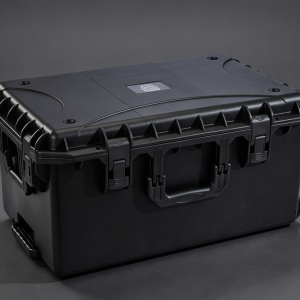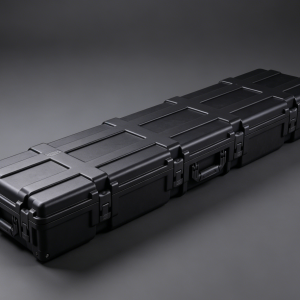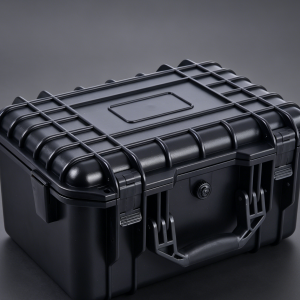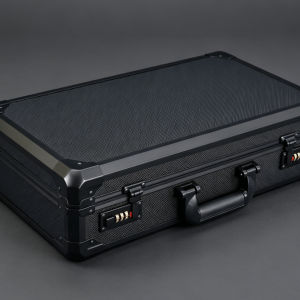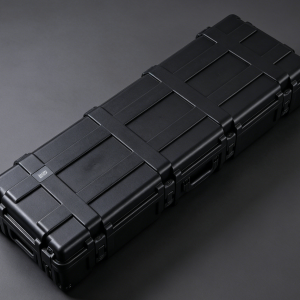
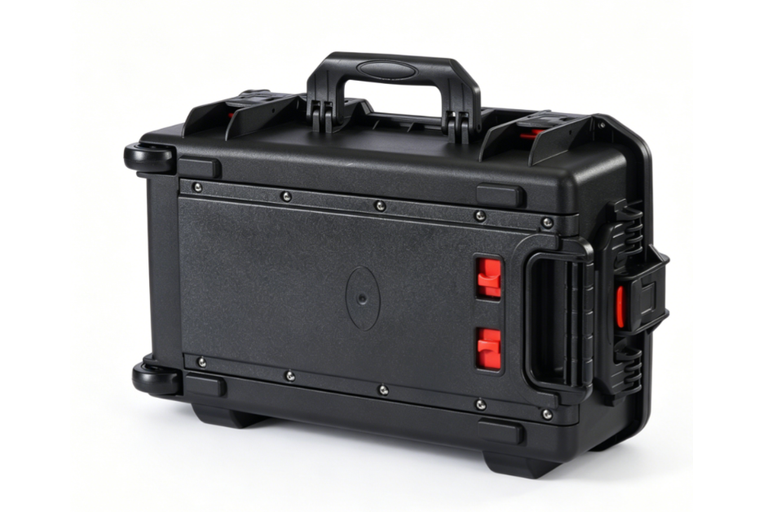
Rolling toolboxes are popular because they come with wheels and handles, making them more suitable than traditional portable toolboxes for storing a large number of tools and moving around workshops, repair shops, warehouses, and construction sites. However, bigger is not always better. A toolbox that is too small may not provide enough storage space, while an oversized model can become heavy, difficult to maneuver, and unsuitable for narrow work areas.
When choosing a rolling toolbox, it is important to consider the number of tools, internal storage space, overall height, working environment, and how frequently the toolbox needs to be moved. Choosing the right size allows you to make better use of the advantages of a rolling toolbox.
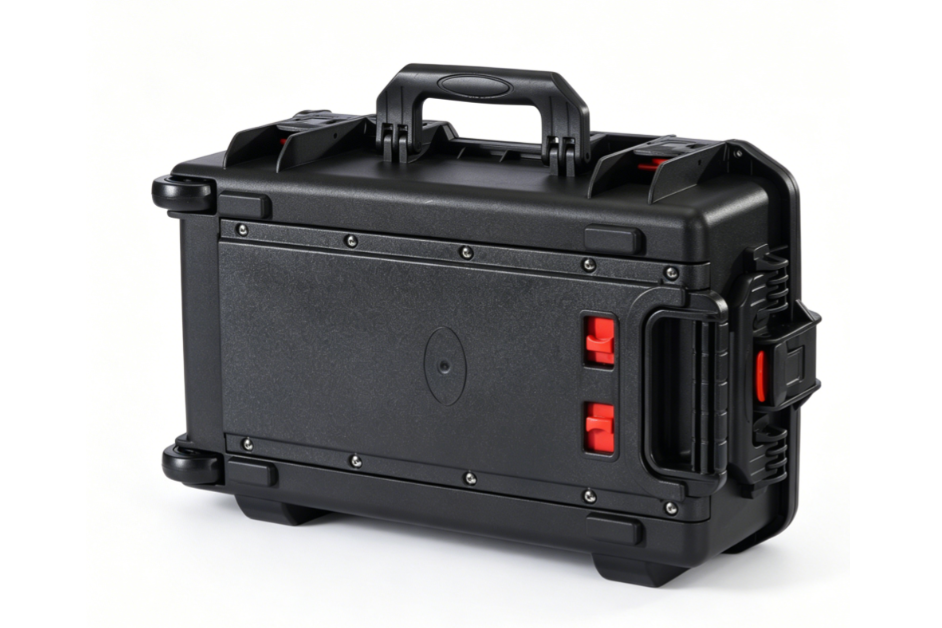
What Rolling Toolbox Size Should You Choose?
Small Rolling Toolboxes
Small rolling toolboxes are generally suitable for home repairs, DIY projects, and basic equipment maintenance. They can store common hand tools such as screwdrivers, wrenches, pliers, and tape measures.
These toolboxes take up relatively little floor space and are easy to move. If your workspace is limited or you normally work with a small collection of tools, a compact rolling toolbox can be a practical choice.
Medium Rolling Toolboxes
Medium-sized rolling toolboxes offer a good balance between storage capacity and mobility. They are suitable for automotive repair, mechanical maintenance, and general workshop use.
Multiple drawers and storage compartments can be used to organize different tools. This allows the toolbox to hold a larger collection without taking up as much space as a large tool cart. For users with many different tools who still need to move the toolbox frequently, a medium-sized model is often a practical option.
Large Rolling Toolboxes
Large rolling toolboxes are mainly designed for professional technicians, industrial workshops, and applications involving a large number of tools.
They usually provide multiple drawers, larger storage areas, and greater load capacity. They can accommodate hand tools, power tools, socket sets, measuring equipment, and other accessories. However, larger dimensions also mean greater weight and a larger footprint, so you need to make sure there is enough room in the working area.
What Factors Should You Consider When Choosing a Rolling Toolbox Size?
Choose Based on the Number and Types of Tools
Start by organizing all the tools that need to be stored in the toolbox. Different tools can vary significantly in length, width, and height, so capacity should not be estimated based only on the number of tools.
For example, several dozen screwdrivers may take up less space than a few large power tools. When choosing a toolbox, pay particular attention to larger tools and leave enough room based on your preferred storage arrangement.
Determine Internal Space Based on Your Largest Tools
The available internal space of a rolling toolbox is largely determined by whether your longest and tallest tools can fit properly.
If you need to store long-handled wrenches, large socket sets, drills, or other bulky tools, measure them in advance and compare their dimensions with the internal length, width, and height of the toolbox.
Do not rely only on the external dimensions. Otherwise, you may end up with a toolbox that looks large but cannot accommodate some of your tools.
How Should You Choose the Height of a Rolling Toolbox?
Lower Toolboxes Are Easier to Access
Lower rolling toolboxes are suitable for applications where the toolbox needs to be moved frequently and tools are accessed regularly. They allow users to see and retrieve tools from the drawers more easily.
If your workshop has limited space, a lower toolbox can also be placed near a workbench without significantly interfering with the operating area.
Taller Toolboxes Provide More Storage
Tall rolling toolboxes can increase storage capacity by adding more drawers, making them suitable for professional technicians with large tool collections.
However, the upper drawers and storage areas may be more difficult to reach. When choosing a tall toolbox, consider the user’s height and how frequently tools need to be accessed.
How Does Toolbox Size Affect Mobility?
Larger Toolboxes Require Better Mobility
Large rolling toolboxes are often filled with heavy metal tools, so their total weight can become considerable. Therefore, in addition to overall dimensions, you should pay attention to wheel quality, wheel diameter, and handle construction.
If the toolbox needs to be moved frequently around a workshop, choose a model with smooth-rolling, durable wheels and a stable overall structure.
Measure Workshop Aisles in Advance
Before purchasing a large rolling toolbox, measure the width of doors, aisles, and turning areas in your workspace.
If the toolbox is wider than the available passage, its large storage capacity will not be useful in practice. This is especially important in factories and repair workshops where available space may be limited.
How Should You Choose a Rolling Toolbox for Different Applications?
Home and DIY Use
Home users generally do not need an extremely large toolbox. A small or compact rolling toolbox can meet basic repair needs while remaining easy to move and store.
Automotive Repair
Automotive repair involves many different tools, including wrenches, socket sets, screwdrivers, pliers, and diagnostic equipment. Therefore, a medium-sized rolling toolbox is often a suitable option.
Professional automotive technicians who need to store a large collection of tools may prefer a larger multi-drawer toolbox.
Industrial Workshops
Industrial maintenance usually involves more tools, and many of them can be relatively heavy. Therefore, load capacity and internal storage space become particularly important.
For fixed workstations, a large rolling tool cart may be suitable. If the toolbox needs to move between different machines or work areas, a medium-sized model with good mobility may be a better choice.
The key to choosing the right rolling toolbox size is not simply maximizing storage capacity. It is about finding the right balance between storage capacity, mobility, and available workspace.
For home DIY projects, a small rolling toolbox may be sufficient. Medium-sized models are suitable for automotive repair and general workshop tasks, while professional industrial maintenance may require a larger toolbox based on the number and type of tools involved.
By identifying your tool collection and measuring your working environment in advance, you can avoid choosing a toolbox that is either too large or too small, making tool organization and everyday maintenance work more efficient.