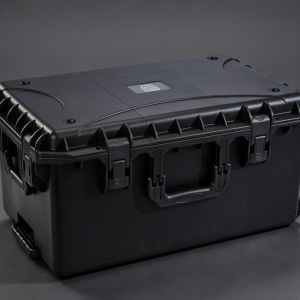
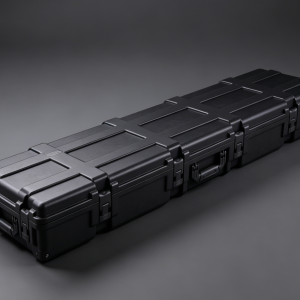
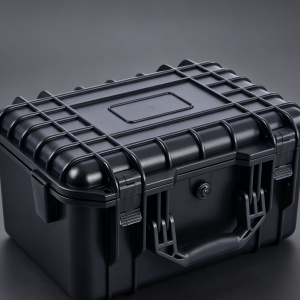
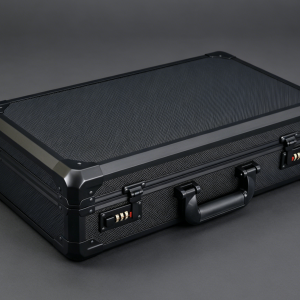
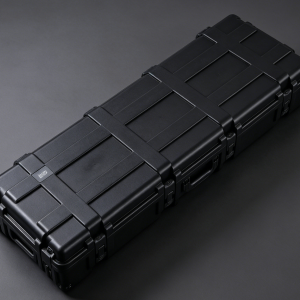
The thickness of the steel used in a metal toolbox directly affects its load-bearing capacity, structural stability, impact resistance, and overall weight. For applications such as automotive repair, industrial manufacturing, equipment maintenance, and warehouse management, choosing the right steel thickness can extend the toolbox’s service life and prevent deformation caused by insufficient material strength. It can also help avoid unnecessary purchasing and transportation costs associated with excessively thick steel. When selecting a metal toolbox, buyers should consider tool weight, working conditions, box structure, and frequency of movement.
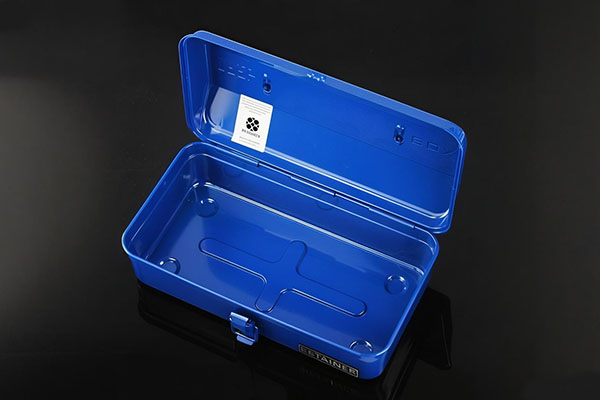
Why Is Steel Thickness Important for Toolboxes?
The Relationship Between Steel Thickness and Load-Bearing Capacity
Steel thickness is an important factor affecting the structural strength of a metal toolbox. When material type, box dimensions, and structural design are similar, increasing steel thickness appropriately generally improves local rigidity and resistance to deformation. This is particularly useful for toolboxes designed to store wrenches, socket sets, power tools, and other relatively heavy equipment.
However, load-bearing capacity is not determined by steel thickness alone. Folded edges, reinforcing ribs, weld locations, bottom support structures, and the overall box design also influence actual performance. Therefore, buyers should not judge whether a toolbox meets their requirements based solely on steel thickness.
What Happens When Steel Is Too Thin or Too Thick?
Steel that is too thin may cause the toolbox to deform under impact, stacking pressure, or concentrated loads. Common problems include a sagging bottom panel, bent side panels, and loose connections. These risks are particularly important for industrial toolboxes that carry heavy loads or are frequently moved.
Although thicker steel can improve rigidity, it also increases product weight and material costs. For portable toolboxes that need to be carried regularly, excessive weight can reduce convenience. The key to material selection is to meet load requirements while controlling overall weight and manufacturing costs.
How to Choose Steel Thickness for Different Load Requirements
Light-Duty Toolboxes: Prioritize Lightweight Design
Light-duty toolboxes are generally used to store screwdrivers, pliers, measuring tapes, small repair accessories, and other lightweight tools. Portability, storage capacity, and everyday convenience are the main priorities for these products.
For a lightweight toolbox with a well-designed structure, steel sheets approximately 0.6–0.8 mm thick can serve as an initial reference range. The actual thickness should be determined according to box dimensions, folded-edge design, and frequency of use. Choosing the thinnest available material simply to reduce costs is not recommended.
Medium-Duty Toolboxes: Balance Strength and Weight
Medium-duty toolboxes are commonly used at repair workstations, in factory equipment maintenance, and for professional tool storage. They need to accommodate a larger collection of hand tools, metal accessories, and some power tools.
For these applications, steel sheets approximately 0.8–1.2 mm thick can be considered as an initial material selection range. Buyers should pay particular attention to bottom support, bent edges, hinge connections, and lock mounting points. When tool weights are unevenly distributed, an optimized internal layout or additional reinforcement may help reduce excessive localized stress.
Heavy-Duty Toolboxes: Prioritize Structural Strength
Heavy-duty toolboxes are designed to store heavier mechanical tools, maintenance equipment, and industrial components. They require greater attention to bottom-panel rigidity, deformation resistance, and connection strength.
For these products, steel sheets approximately 1.2–2.0 mm thick or thicker can be evaluated as part of the design process. The final specification should depend on the actual load, box span, support structure, and safety requirements. For large tool cabinets, rolling toolboxes, or products intended to carry heavy equipment, buyers should also evaluate the bottom frame, caster load ratings, welding quality, and overall stability.
It is important to note that the thickness ranges above are preliminary references, not universal load-bearing standards. Final selection should be based on the manufacturer’s rated load capacity and actual test results.
What Other Factors Should Be Considered When Selecting Toolbox Steel?
Steel Type and Surface Protection
In addition to thickness, steel type also affects toolbox performance. Cold-rolled steel sheets generally offer good dimensional accuracy and surface quality, making them suitable for manufacturing various metal toolboxes. For products used in humid environments, areas with significant oil exposure, or locations with corrosion risks, buyers should also consider rust-prevention primers, powder coatings, and other suitable protective finishes.
Toolbox Structure and Fabrication Quality
Properly designed folded edges, reinforcing ribs, and bottom supports help distribute loads more effectively. These structural features can reduce unnecessary material consumption while maintaining the required strength. Welding or riveting quality, hinge attachment methods, and lid construction also influence long-term stability.
For customized metal toolboxes, buyers should provide the manufacturer with a tool inventory, individual tool weights, expected total load, toolbox dimensions, and operating conditions in advance. This information helps manufacturers determine suitable steel thicknesses and structural designs.
How to Determine the Right Steel Thickness for a Toolbox
During material selection, buyers should evaluate the expected total load, concentrated loads, frequency of movement, and operating environment. They should also request the supplier’s rated load capacity and relevant test documentation. For toolboxes that are moved frequently, overall weight, handle strength, and caster performance should be included in the assessment.
The metal toolbox product information available from Siphia Box can serve as a reference for understanding toolbox materials, structural design, and application requirements. Purchasing companies should compare material thickness, fabrication accuracy, surface finishing, and overall structural design rather than simply choosing the thickest steel available.
Conclusion
Choosing the right steel thickness for a toolbox requires balancing load-bearing capacity, product weight, durability, and cost. Light-duty toolboxes should prioritize portability, medium-duty models should balance strength and weight, and heavy-duty toolboxes require careful evaluation of structural design and overall load capacity.
By defining application requirements, selecting appropriate steel thickness, and verifying actual load-bearing performance, buyers can choose metal toolboxes that better meet their operational needs.