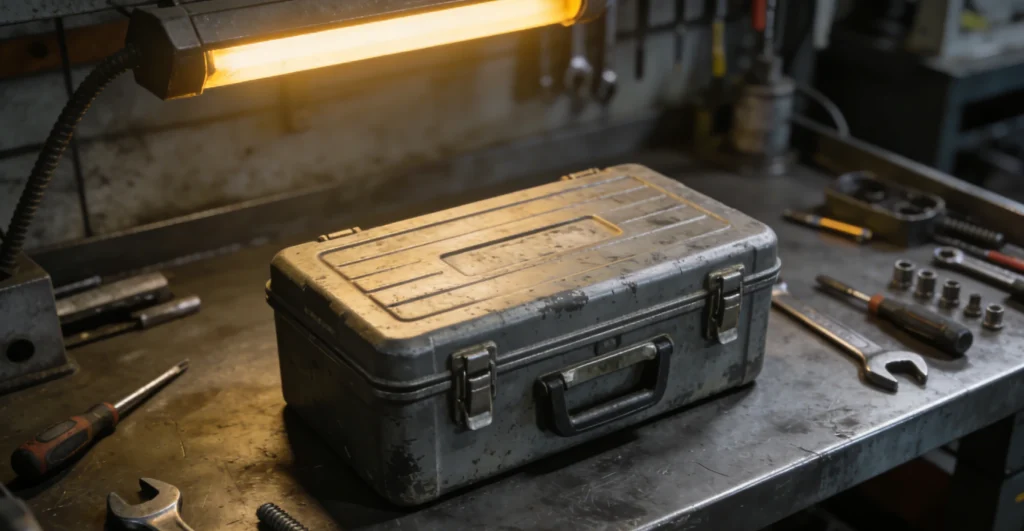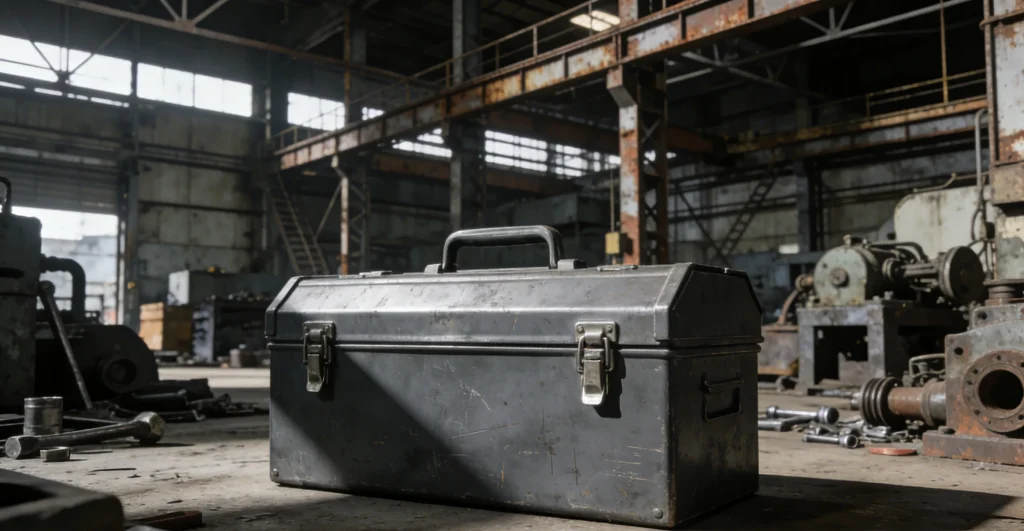
Mechanical tool boxes are mainly used to store wrenches, socket sets, electric drills, measuring tools, and various repair equipment. They are widely used in automotive repair, machining, construction, and industrial maintenance applications. Since tools vary greatly in type and weight, the load-bearing capacity of a tool box directly affects usage safety, portability, and product service life. If a tool box remains overloaded for a long time, problems such as box deformation, handle breakage, drawer jamming, and latch damage may occur. These issues not only reduce daily work efficiency but may also cause tools to fall out or equipment to become damaged. Evaluating the load-bearing capacity of a mechanical tool box is not simply about checking how many tools it can hold. Instead, it requires comprehensive consideration of material structure, connection methods, usage environment, and actual load conditions.
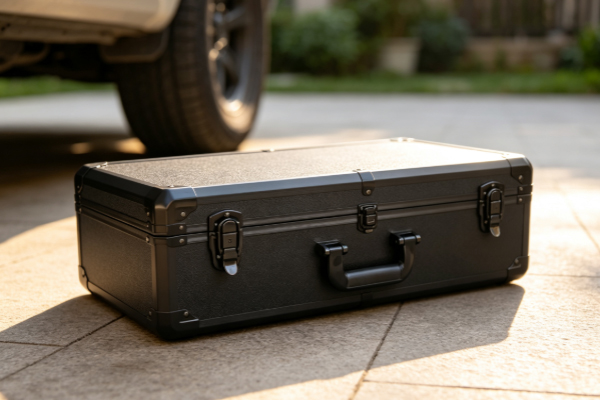
Different types of tool boxes have different design purposes. Hand-carry tool boxes focus more on mobile load-bearing capacity, mechanical tool cabinets with drawers focus on long-term storage and layered load capacity, while vehicle-mounted tool boxes need to consider vibration and impact during transportation. When selecting a mechanical tool box, understanding its load-bearing performance can help users avoid purchasing products that do not meet their actual needs. For example, ordinary maintenance workers may only need to store commonly used tools, while factory maintenance personnel may need to store large quantities of metal tools and professional equipment. The strength requirements for these two applications are clearly different. Therefore, using proper methods to evaluate load-bearing capacity is an important step in choosing a suitable mechanical tool box.
Methods for Evaluating the Load-Bearing Capacity of Mechanical Tool Boxes
Check the Box Material and Overall Structure
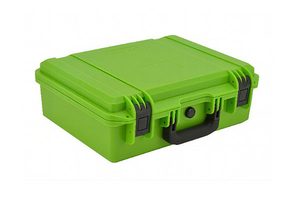
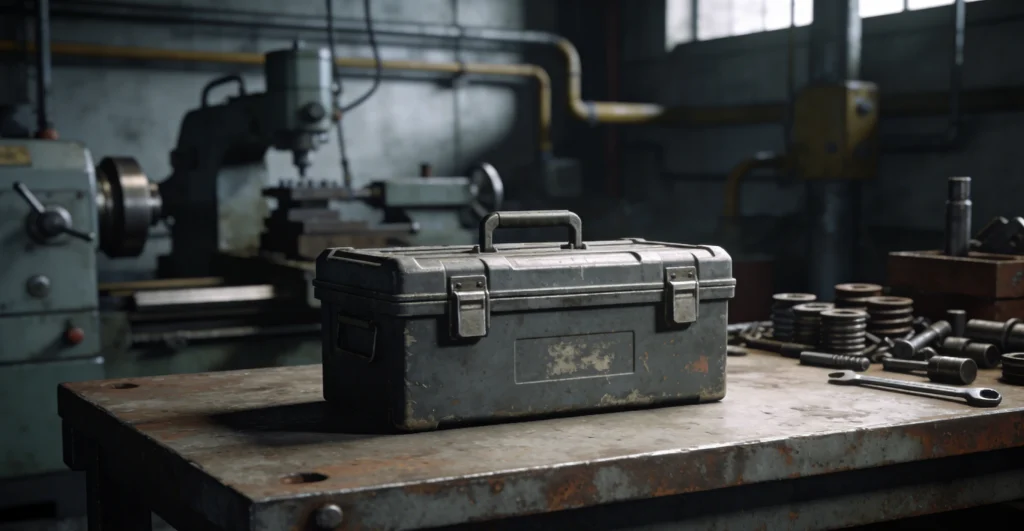
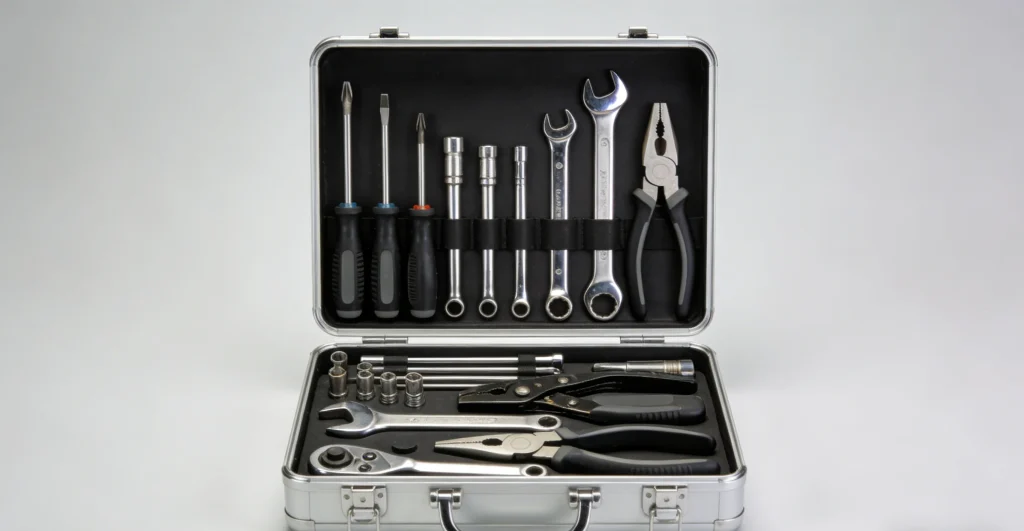
The material of a mechanical tool box determines its basic load-bearing capability. Common materials include steel plates, aluminum alloy, stainless steel, and high-strength plastics. Different materials vary in weight capacity, impact resistance, and durability. Steel tool boxes usually have higher strength and are suitable for storing heavier mechanical tools. Thicker steel plates can reduce deformation after force is applied to the box and improve long-term stability. Aluminum alloy tool boxes are lighter while providing good corrosion resistance, making them more suitable for working environments where frequent movement is required. Although high-strength plastic tool boxes have lower weight, high-quality engineering plastics with reinforced rib designs can also meet the storage requirements of ordinary repair tools.
During evaluation, users can check whether the bottom, side panels, and corner areas of the tool box use reinforced designs. The bottom panel is an important area that supports tool weight. If the bottom structure is obviously weak, placing heavy tools inside may easily cause sinking or cracking. Tool boxes with bent edges, reinforced frames, or welding structures generally provide better overall stability.
Check the Load Performance of Connection Components
In addition to the box body itself, connection components also affect the actual load-bearing performance of a mechanical tool box. Hinges, latches, drawer slides, and handles are all areas that are more likely to experience damage.
When evaluating a tool box, special attention should be paid to the following parts:
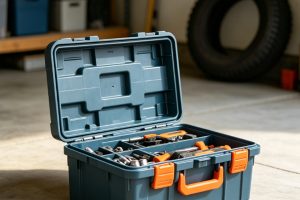
Handle Strength: Hand-carry tool boxes mainly rely on handles for movement, so the connection between the handle and the box body needs to have sufficient fixing strength. If the handle is simply installed on a weak plastic area, it may become loose or even break after carrying heavy loads for a long time. High-quality tool boxes usually use metal support plates, reinforced mounting bases, or bolt fixing methods to improve handle stability.
Drawer Slide Performance: Mechanical tool boxes with drawers need to pay attention to the load capacity of the drawer slides. Drawers usually store heavier tools such as socket sets, pliers, and wrenches. If the slides are not strong enough, problems such as drawer sagging or difficult movement may occur. Heavy-duty tool cabinets generally use steel ball-bearing slides to improve smooth operation and stability.
Latch and Locking Structure: Latches mainly secure the box cover and internal tools. If the load is large but the locking design is weak, the box cover may open during transportation. Therefore, the load-bearing capacity of a tool box should be evaluated together with the performance of these connection points.
Determine the Actual Load Range of a Mechanical Tool Box
Conduct Practical Testing Based on Tool Weight
The load capacity data marked on a mechanical tool box is usually obtained under ideal testing conditions. In actual use, it is also necessary to consider the type and placement of tools. For example, the same 20kg weight can produce different pressure on the box depending on whether the weight is evenly distributed across the bottom or concentrated in one area. When testing the load-bearing capacity of a tool box, a gradual weight increase method can be used. First, place commonly used tools inside and observe whether the box shows obvious deformation. Then gradually increase the load and check whether the handle, latches, bottom panel, and connection points remain stable.
If the box bends, becomes difficult to open or close, or produces abnormal noise, it indicates that the tool box is approaching its load limit. During use, attention should also be paid to weight distribution. Heavy equipment such as large wrenches and motor repair tools should not all be concentrated in the same area. Excessive local pressure can reduce the service life of the tool box. Proper classification and even distribution of tools can reduce structural stress.
Frequently Asked Questions
Is a Higher Load Capacity Always Better for a Mechanical Tool Box?
A mechanical tool box with higher load capacity is not necessarily suitable for every user. Tool boxes with higher load-bearing performance usually use thicker materials and reinforced structures, which also increases their own weight. If the tool box is mainly used for household repairs or simple equipment maintenance, choosing a product that meets daily needs is sufficient. There is no need to purchase an overly heavy model. However, for industrial maintenance, automotive repair, or large equipment maintenance, load-bearing capacity should be given more attention. This is because these working environments involve more tools, and individual tools may also be heavier. Ordinary tool boxes may not be able to withstand long-term use under these conditions.
How Can You Determine Whether a Tool Box Meets Load-Bearing Standards?
This can be evaluated through product specifications, material thickness, structural design, and actual usage conditions. Professional mechanical tool boxes usually provide maximum load-bearing data, allowing users to select products according to their tool weight. At the same time, observing the details of the tool box is also an important method. Features such as whether the box body is strong, whether the connection components are secure, and whether opening and closing operations are smooth can all reflect product quality.
Evaluating the load-bearing capacity of a mechanical tool box requires consideration of material quality, structural design, connection components, and the actual weight of stored tools. A reliable tool box not only needs sufficient load-bearing capacity but also needs to maintain stability during long-term use. When selecting a tool box, users should determine the appropriate type according to their working requirements. If storing lightweight tools, portability and ease of use can be prioritized. If storing large quantities of metal tools or professional equipment, box strength and load-bearing performance should be considered first. The load-bearing capacity of a mechanical tool box directly affects the safety and efficiency of daily repair work. By checking the box structure, testing actual loads, and understanding the performance of connection components, users can more accurately determine whether a tool box meets their needs. This helps prevent damage caused by overloading and makes tool management safer and more convenient.