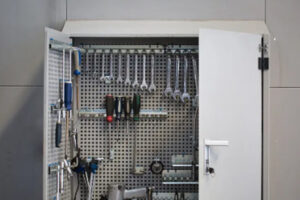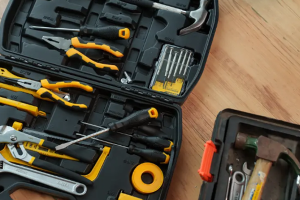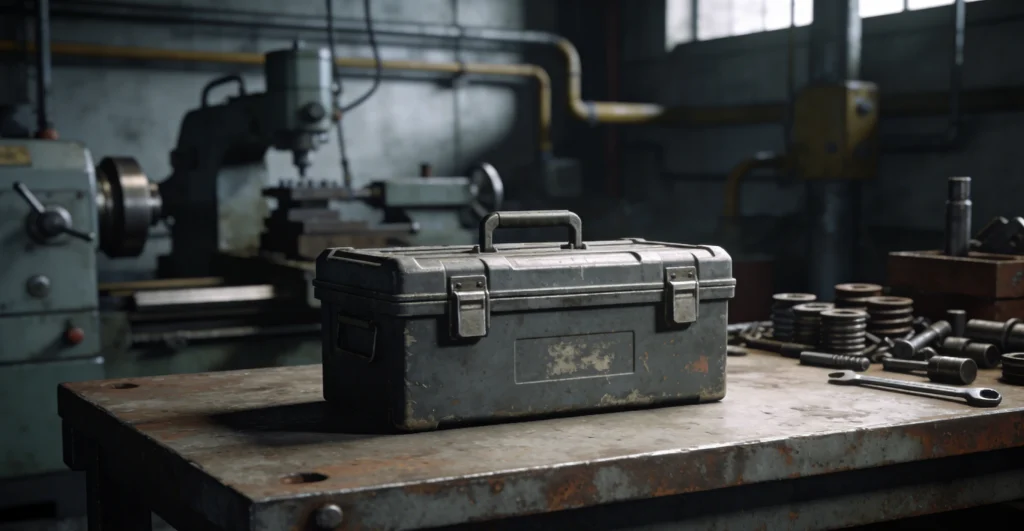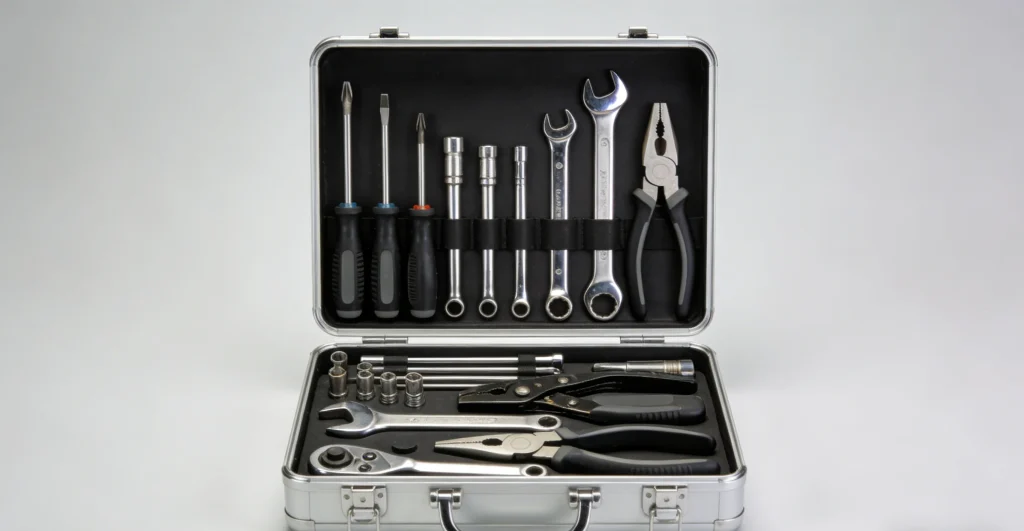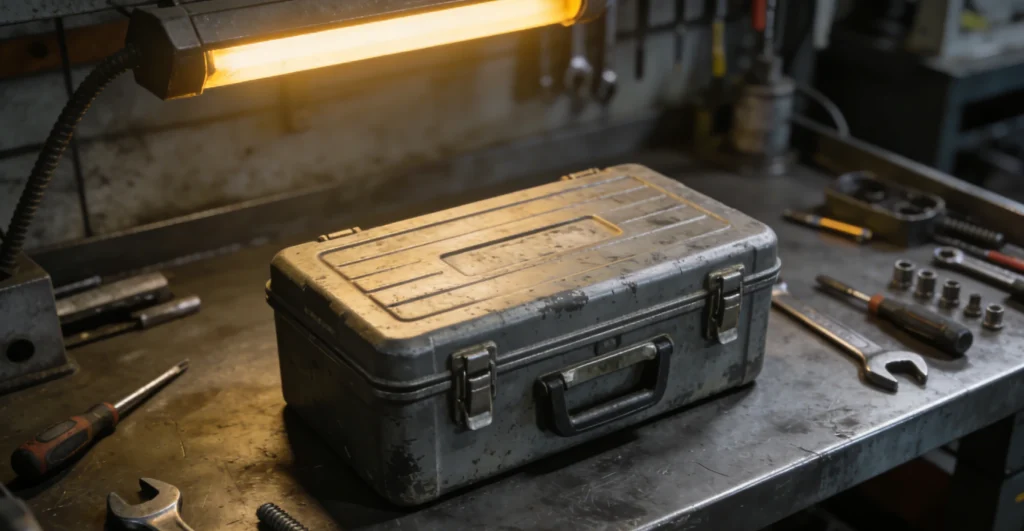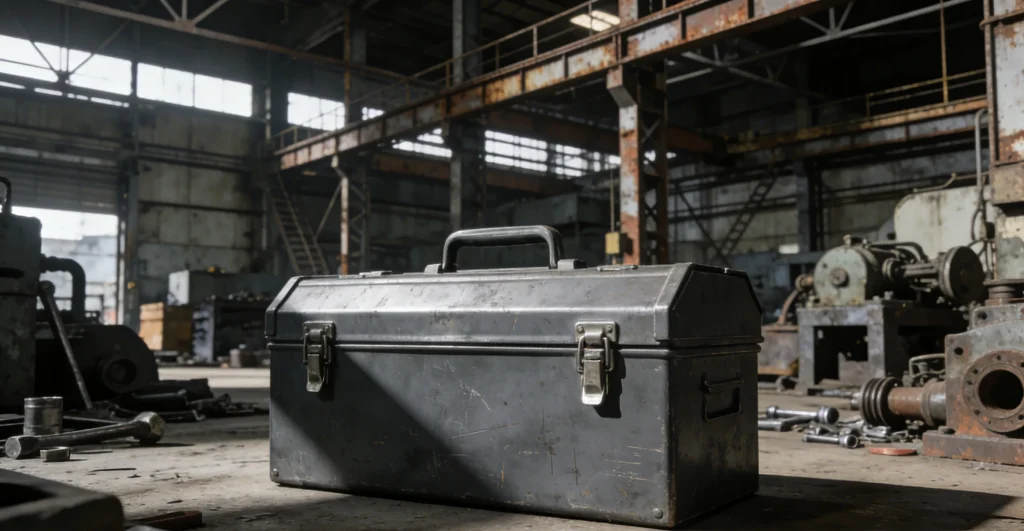
Mechanical tool boxes are frequently used in automotive repair, equipment maintenance, factory production, and outdoor construction. Due to long-term exposure to metal tools, humid air, oil stains, and different working environments, rust may easily appear on the surface of the box. Especially for steel mechanical tool boxes, although they have high strength and durability, if proper protection is not applied, long-term exposure to humid conditions can damage the surface protective layer, causing oxidation reactions and forming rust.
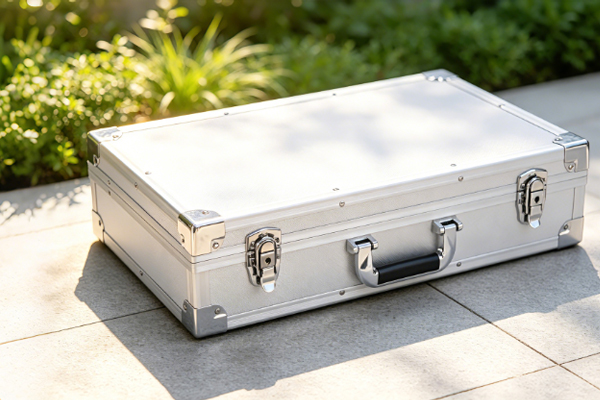
Rust on a tool box not only affects its appearance but may also reduce the structural strength of the box. As corrosion continues to expand, the metal layer on the surface gradually becomes thinner, and in severe cases, dents, holes, or loose connection components may occur. After discovering rust on a mechanical tool box, an appropriate treatment method should be selected according to the degree of corrosion. Minor rust can usually be removed through cleaning and polishing, while more serious corrosion requires rust removal and anti-rust treatment to prevent further damage. Proper rust treatment can extend the service life of the tool box while maintaining a clean and safe storage environment for tools.
Methods for Treating Rust on a Mechanical Tool Box
Clean the Surface Rust Layer
When rust appears on a mechanical tool box, the surface should first be cleaned of dust, oil stains, and attached debris before treatment. Oil stains can affect the rust removal effect and prevent anti-rust materials from covering the surface evenly during later protection steps. During cleaning, a neutral cleaner can be used to wipe the surface of the box, followed by a dry cloth to remove moisture. For minor rust, sandpaper, wire brushes, or professional rust removal tools can be used for polishing. During polishing, attention should be paid to the applied force to avoid excessive friction that may cause excessive damage to the protective layer on the surface of the box. Generally, working slowly from the edge of the rusted area toward the center can make it easier to remove the oxidation layer.
Common treatment methods include:
Sandpaper polishing: Suitable for small areas with shallow rust layers. Choosing sandpaper with the appropriate grit can gradually remove surface rust while reducing the impact on the metal surface.
Wire brush cleaning: Suitable for dealing with more obvious rust spots. A wire brush can quickly remove loose rust, but the force should be controlled during use to prevent deep scratches on the surface.
Rust remover treatment: For areas that are difficult to clean manually, metal rust removers can be used to soften the rust layer, followed by wiping and cleaning to improve treatment efficiency.
After completing rust removal, the treated area should be checked to see whether any rust remains. If reddish-brown oxides are still present on the surface, further cleaning is required. Otherwise, rust may appear again even after applying a new coating.
Carry Out Daily Anti-Rust Protection
Removing rust from a mechanical tool box does not mean the treatment process is complete. If a new protective layer is not established, the exposed metal surface can still be affected by moisture and oxygen in the air, causing rust to appear again. After treatment, an appropriate protection method can be selected according to the material of the tool box. Steel tool boxes can generally be treated with anti-rust primer and then covered with protective paint to form an isolation layer on the metal surface. For tool boxes frequently used outdoors, coatings with better wear resistance and corrosion resistance can be selected to improve environmental adaptability. If the rusted area is small, anti-rust oil can also be used for protection. Anti-rust oil can form a thin film on the metal surface, reducing direct contact with air and moisture. For the inside of the tool box, especially areas used for storing metal tools, a small amount of anti-rust oil can also be applied regularly to reduce the risk of internal oxidation.
During the repair process, attention should be paid to:
Keep the surface dry: Before applying anti-rust materials, make sure the box is completely dry. Otherwise, moisture trapped inside may cause corrosion to continue developing.
Treat hidden areas: The bottom of the tool box, corners, and hinge connection areas are prone to water and dust accumulation, making them common rust-prone locations that require careful inspection.
Avoid covering uncleaned rust layers: Applying paint directly over rust can temporarily cover the problem, but internal oxidation will continue, which may later cause the paint layer to peel off.
Common Questions
How can rust be reduced during daily use?
Rust on mechanical tool boxes is mostly related to the usage environment. During daily storage, the tool box should be kept away from damp floors or outdoor exposure for long periods. If the tool box is frequently used at construction sites, surface moisture, dirt, and metal debris should be cleaned promptly after use. The inside of the tool box should also be kept dry. Many maintenance workers directly place tools with moisture or oil stains into the box, which can easily cause internal rust over time. Therefore, after using tools, they should be simply wiped clean before being stored inside the tool box.
Can a mechanical tool box still be used after rusting?
A mechanical tool box with minor rust can usually continue to be used after timely rust removal and protective treatment. If only a small amount of rust spots appear on the surface and the box structure has not been affected, normal use is generally not impacted. However, if large areas of corrosion, thinning metal, cracked welding points, or other problems are found, more attention is required. These issues may have already affected the strength of the tool box, and continued storage of heavy tools may create a risk of damage.
After a mechanical tool box becomes rusty, appropriate treatment methods should be selected according to the degree of corrosion. Minor rust can be removed through cleaning and polishing, while more serious situations require a combination of rust removal, anti-rust coatings, and daily maintenance for repair. During use, keeping the tool box dry, reducing exposure to humid environments, and cleaning stains promptly are important methods for lowering the possibility of rust. For mechanical tool boxes that are frequently used, regular inspections should also be carried out on easily damaged areas such as the bottom, corners, and connecting parts, with problems handled promptly after discovery. Proper maintenance of a mechanical tool box can not only improve its appearance but also protect the box structure and enhance the safety of tool storage. Through correct rust removal and protection methods, the tool box can maintain stable performance during long-term repair work and reduce the impact caused by corrosion.