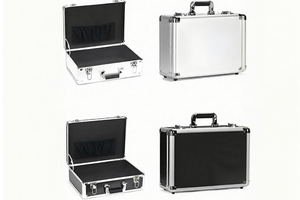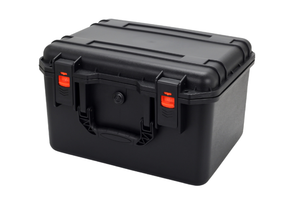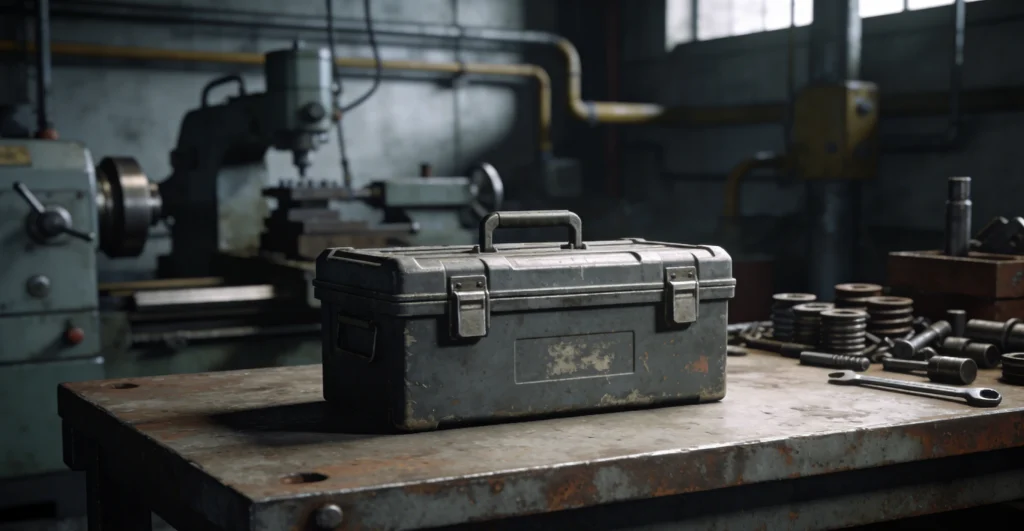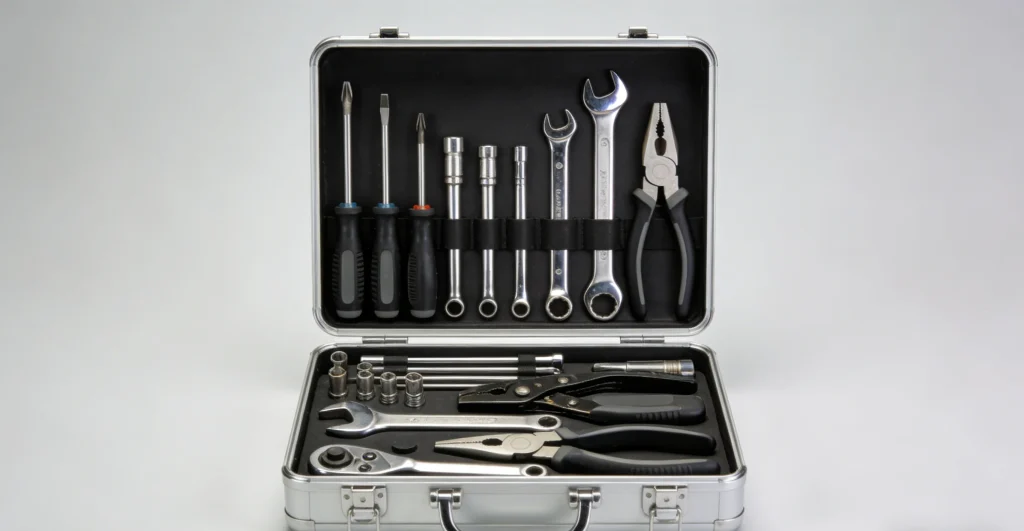
A lorry tool box is mainly installed on the side of the frame, behind the cab, at the chassis position, or near the cargo area. It is used to store maintenance tools, protective equipment, transportation accessories, and daily-use items. Due to differences in lorry models, chassis structures, and installation locations, custom tool boxes cannot be purchased according to fixed dimensions and require accurate measurements in advance. Whether the dimensions are measured properly directly affects the stability after installation, space utilization, and convenience during daily vehicle use. When customizing a lorry tool box, many users only focus on the length and height of the box while ignoring factors such as installation space, opening method, and vehicle structure limitations. If the measurement data is inaccurate, problems may occur after installation, such as the tool box colliding with tires, fuel tanks, or brackets, or the box door being unable to open completely.
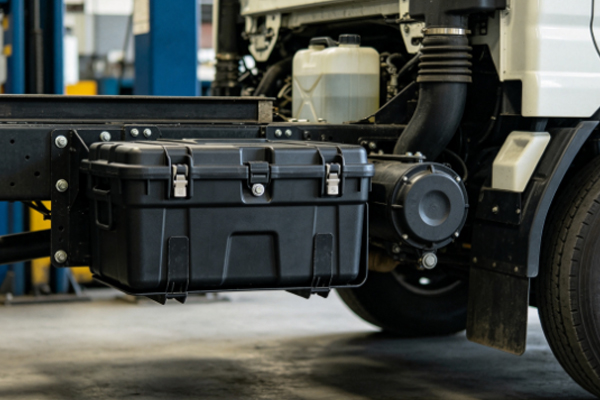
Therefore, before customization, it is necessary to conduct a comprehensive inspection of the installation location, record important dimension data, and determine the box specifications according to actual usage requirements. Measuring a lorry tool box is not simply about obtaining length, width, and height measurements. It requires planning based on vehicle space, fixing methods, and tool storage needs. A reasonable size design allows the tool box to better fit the vehicle structure while ensuring load capacity and usage efficiency. Whether it is a stainless steel tool box, aluminum alloy tool box, or ordinary steel tool box, accurate measurement is an important step in the customization process.
Lorry Tool Box Dimension Measurement Methods
Confirm the Installation Location and Measure Space Dimensions
Before installing a lorry tool box, the specific installation location needs to be determined. Different installation positions require different measurement methods. For example, a tool box installed on the side of the frame needs to focus on the width and height limitations of the vehicle chassis; a tool box installed under the cargo box needs to consider the ground clearance and surrounding components. During measurement, tools such as measuring tapes and laser distance meters can be used to record the installation area. Generally, the following dimensions need to be measured:
Length Dimension: The length mainly determines how many tools can be stored in the tool box and is also an important factor affecting the box capacity. During measurement, measure from one end of the installation position to the other, while reserving a certain installation gap to prevent the tool box from fitting too tightly with the vehicle structure and causing installation difficulties.
Height Dimension: The height needs to be determined according to the position of the vehicle chassis, tires, and surrounding equipment. If the tool box is too high, it may affect the safety clearance of the vehicle when driving on complicated roads. Therefore, during measurement, confirm the distance between the bottom of the tool box and the ground, and whether the top will interfere with other vehicle components.
Width Dimension: The width determines the outward extension space of the tool box. For side-mounted lorry tool boxes, the vehicle width limitation needs to be considered to prevent the tool box from exceeding the vehicle range after installation.
After completing the measurements, it is recommended to record data from multiple positions because some lorry structures are not completely flat. For example, the frame may have an incline, reinforcing beams, or pipelines, which can all affect the final tool box size design.
Details to Consider When Customizing a Lorry Tool Box
Measure Special Positions in the Installation Space
Lorry structures are relatively complex. When customizing a tool box, it is not enough to only consider available space; the positions of surrounding components must also be taken into account. Many installation failures are not caused by oversized tool boxes but by ignoring detailed vehicle structures.
During the measurement process, the following points need to be checked:
Avoid the Fuel Tank and Exhaust System: Some lorry tool boxes are installed close to fuel tanks or exhaust pipes. These areas need to maintain a safe distance. If the box dimensions are not properly designed, they may affect heat dissipation or cause installation conflicts.
Check Frame Fixing Points: The tool box needs to be fixed through brackets, bolts, or welding methods, so the fixing positions should be confirmed in advance. During measurement, the installation space for brackets should be recorded to facilitate the later design of the fixing structure.
Consider the Space Required for Opening the Door: After installation, the tool box should not only be securely fixed but also remain convenient to use. If the opening direction of the box door is restricted, even if the box size is suitable, it will affect tool access. Therefore, the movement range after opening the box door needs to be measured.
Reserve Installation Tolerance: Small errors may occur during the actual installation process, so the tool box should not be manufactured exactly according to the measured values. Reserving proper space can reduce adjustment difficulties during installation.
These details directly affect the user experience of the lorry tool box. Accurate records of the installation environment can help manufacturers design products that better match the actual vehicle conditions.
Frequently Asked Questions
Why do customized tool boxes require vehicle dimensions?
Many users believe that simply providing the lorry model is enough for manufacturers to produce a tool box. However, lorries with the same model name may have differences in chassis structure, installation locations, and space layout due to different production years and configurations. Providing detailed dimension data allows manufacturers to design tool boxes according to actual conditions and reduce installation mismatch problems. At the same time, dimension information helps determine box capacity, material thickness, and fixing methods, making the final product better meet usage requirements.
What measurement errors should be considered when measuring a lorry tool box?
Common measurement errors come from incorrect tool usage methods and inaccurate measurement locations. For example, an unlevel measuring tape or incorrect measuring points can lead to data deviations. To improve accuracy, measurements can be repeated two or three times, and the maximum and minimum values should be recorded. If the installation area has irregular structures, photos or simple sketches should be provided so manufacturers can better understand the available space.
Measuring custom dimensions for a lorry tool box requires consideration of vehicle structure, installation location, and actual usage requirements. During measurement, users need to pay attention to basic data such as length, height, and width, while also checking details including the frame, fuel tank, exhaust system, and fixing positions. A properly sized tool box can not only make full use of vehicle space but also ensure secure installation and convenient daily operation. If the dimensions are inaccurate, it may result in installation failure, wasted space, or impact on vehicle operation. During the customization process, users can prepare vehicle photos, installation location measurements, and tool storage requirements in advance, then communicate and confirm details with the manufacturer.