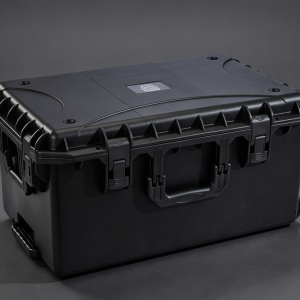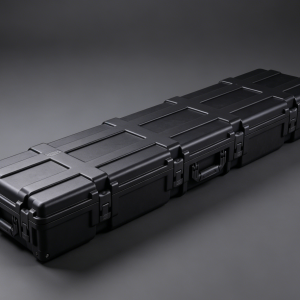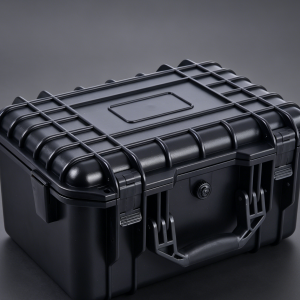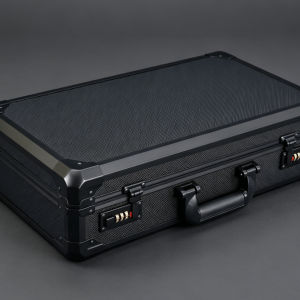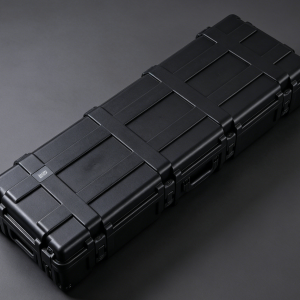
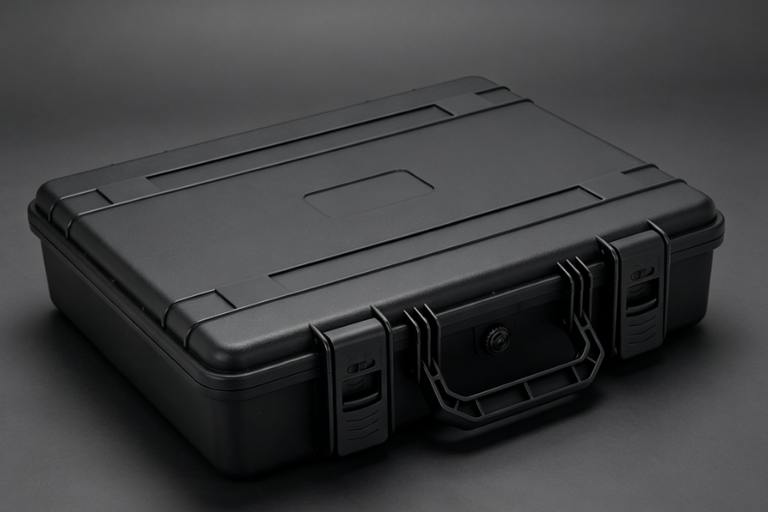
A toolbox is a practical storage solution for home repairs, automotive maintenance, industrial work, and professional projects. When buying a toolbox, many people focus first on appearance, material, and price while overlooking a more practical question: What toolbox size is actually right for you?
A toolbox that is too small may not have enough room for commonly used tools, making it difficult to organize or retrieve them. A toolbox that is too large provides plenty of storage space, but it can be heavy, difficult to carry, and take up too much storage space. Therefore, choosing the right toolbox size is not simply about buying the largest option. It should be based on the number and size of your tools, how you use them, and how often you need to move them.
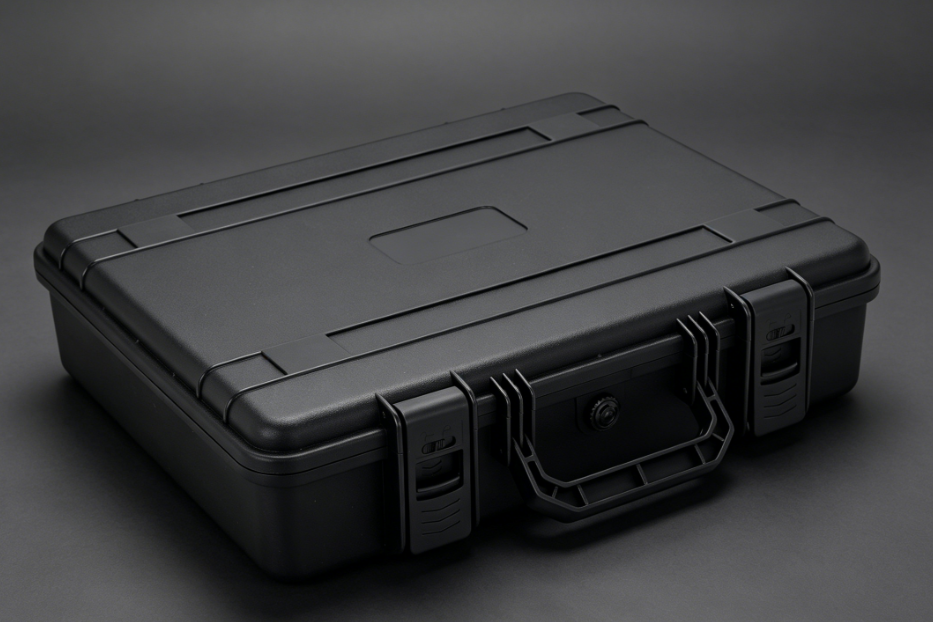
Why Is It Easy to Choose the Wrong Toolbox Size?
Looking Only at External Dimensions
This is one of the most common mistakes. The dimensions listed for a toolbox usually refer to its external dimensions. Wall thickness, reinforcement structures, trays, and drawers can all reduce the actual usable storage space.
For example, a toolbox may look large from the outside but have much less usable capacity than expected. Before buying, check not only the length, width, and height, but also the internal dimensions and actual storage capacity.
Assuming More Tools Always Require a Larger Toolbox
The number of tools does affect toolbox size, but choosing a toolbox should not be based on quantity alone.
If you mainly use screwdrivers, wrenches, pliers, and other small hand tools, a small or medium toolbox may be enough. On the other hand, if you need to store a power drill, socket set, measuring equipment, or other larger tools, you will need a toolbox with greater depth and width.
What really matters is the size and combination of your tools, rather than simply the number of tools you own.
What Problems Can a Toolbox That Is Too Small Cause?
Tools Can Easily Become Cluttered
When storage space is limited, tools are often piled together. Finding a particular wrench or screwdriver may require moving several other tools first. This can reduce work efficiency and may also cause unnecessary scratches or damage.
For frequently used tools, consider a toolbox with removable trays, compartments, or drawers. These features make it easier to organize different types of tools.
You May Need to Replace the Toolbox Later
Some people choose a toolbox based only on the tools they currently own without considering future additions. If the capacity is just enough for today’s tools, the toolbox may quickly become too small.
For this reason, it is better to leave some extra space. A toolbox does not need to be completely full. A reasonable amount of spare capacity makes organization easier and allows room for additional tools in the future.
Why Isn’t a Larger Toolbox Always Better?
Higher Carrying Weight
A large toolbox can hold more tools, but it can also become much heavier. For people who frequently travel between job sites, provide on-site repair services, or work outdoors, an oversized toolbox may become a burden.
If portability is important, consider a toolbox with a sturdy handle, wheels, or a telescopic handle. These features can make larger storage solutions easier to transport.
It Takes Up More Storage Space
The larger the toolbox, the more space it requires in a vehicle, workshop, garage, or storage cabinet.
For example, automotive technicians may need to consider whether the toolbox can fit inside a vehicle trunk. Home users may be more concerned about whether it can fit inside a cabinet or storage room. Measuring the available storage area before buying is therefore equally important.
What Factors Should You Consider When Choosing Toolbox Size?
Choose Length and Width Based on Tool Types
Start by gathering the tools you plan to store and sorting them according to their actual dimensions. Long-handled tools require sufficient toolbox length, while power tools and socket sets often require more horizontal and vertical space.
Do not estimate capacity based only on the number of tools. Pay particular attention to the dimensions of the largest tools when determining the basic toolbox size.
Choose Height Based on How You Use the Toolbox
Toolbox height is often overlooked. Shallow toolboxes are suitable for screwdrivers, wrenches, pliers, and other common hand tools, while deeper toolboxes are more suitable for power tools, large socket sets, and other bulky equipment.
If you have a wide range of tools, a multi-level toolbox can be a practical option. Different storage levels can accommodate tools of different sizes while making organization easier.
How Should You Choose a Toolbox Size for Different Applications?
Home Repairs
Home users generally do not need an extremely large toolbox. Common tools such as screwdrivers, wrenches, hammers, measuring tapes, and pliers can usually be stored in a small or medium toolbox.
For home use, convenience and easy access are generally more important than maximum storage capacity.
Automotive Repair and Outdoor Work
Automotive repair often requires a wider variety of tools, including socket sets, wrenches, pliers, and measuring equipment. Therefore, a larger toolbox may be more suitable. If the toolbox needs to be moved frequently, weight, handles, wheels, and overall portability should also be considered.
Industrial and Professional Maintenance
Professional technicians often work with a larger number of tools and more specialized equipment. Depending on the job, they may need a large toolbox, tool cabinet, or rolling tool cart.
Instead of repeatedly replacing a toolbox because it lacks capacity, it can be more practical to choose a storage solution that provides enough room for your long-term tool collection.
How Can You Avoid Choosing the Wrong Toolbox Size?
Before purchasing, gather your commonly used tools and measure the longest, widest, and tallest items. Then estimate how much space they will require based on your preferred storage arrangement. You should also measure the location where the toolbox will be stored.
Another simple approach is to choose a toolbox based on your current needs plus a reasonable amount of extra capacity. There is no need to leave a huge amount of unused space, but completely filling the toolbox is not ideal either. Some extra room makes tool organization easier and gives you flexibility when adding new tools.
A toolbox that is smaller is not necessarily more convenient, and a larger toolbox is not automatically more practical. The right toolbox size should match your tools, how frequently you use them, how you transport them, and where you plan to store the toolbox.
Before choosing a toolbox, take some time to organize your tools and determine your actual storage requirements. Then consider the internal capacity, external dimensions, portability, and intended application. Choosing the right size can help you achieve a better balance between tool organization, portability, and everyday convenience.