
A portable automotive inspection and emergency protection toolbox is a comprehensive tool storage solution specially designed for vehicle fault detection, emergency repair, and road safety protection. It integrates testing equipment, emergency tools, safety supplies, and basic repair tools into one organized system, allowing users to respond quickly during unexpected situations.Unlike traditional large workshop cabinets or mechanic trolleys, portable emergency toolboxes focus more on “rapid response” and “mobility convenience.” They are not only suitable for auto repair shops and maintenance workshops, but are also widely used in:Roadside assistance services;Construction vehicle maintenance;Commercial fleets;Long-distance transportation vehicles;Outdoor engineering vehicles;Private vehicle emergency kits.When a vehicle experiences battery failure, tire problems, electrical faults, engine warnings, or sudden roadside incidents, a portable inspection toolbox helps users perform basic checks and temporary repairs immediately, reducing waiting time and safety risks.
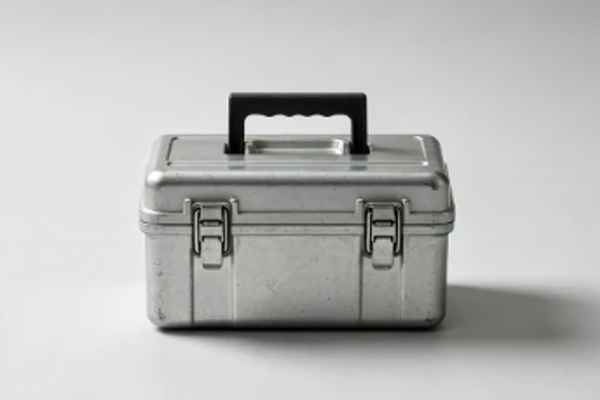
Common Portable Automotive Inspection & Emergency Tool Configuration
| Tool Category | Common Equipment | Main Function |
| Electrical Testing Tools | Multimeter, test pen, circuit tester | Inspect wiring and voltage |
| Emergency Repair Tools | Socket sets, screwdrivers, wrenches | Basic repair and disassembly |
| Tire Emergency Tools | Air pump, tire repair kit, jack | Tire fault handling |
| Safety Protection Supplies | Reflective vest, warning triangle, gloves | Improve on-site safety |
| Emergency Power Equipment | Jumper cables, jump starter | Restart low-battery vehicles |
Standard Operating Process for Portable Inspection & Emergency Toolboxes
The real value of a portable automotive inspection and emergency protection toolbox is not simply “tool storage,” but the ability to help users quickly identify problems, perform emergency handling, and restore basic operating capability when vehicle issues occur.Especially during roadside assistance, construction vehicle maintenance, long-distance transportation, or daily driving, many vehicle problems do not necessarily require immediate workshop repair. However, without basic inspection and emergency tools, small issues can quickly become major problems. Therefore, a standardized operating process is extremely important.
Pre-Departure Inspection
Many vehicle issues can actually be discovered before departure. The first step of a standard portable toolbox procedure is the “pre-departure inspection.”
This mainly includes checking:
- Whether all tools are complete
- Whether emergency equipment has sufficient power
- Whether consumables are missing
- Whether the toolbox structure is intact
For example:
- Is the emergency jump starter fully charged?
- Is the air compressor functioning properly?
- Are the jumper cables aging or damaged?
- Are the reflective warning signs complete?
Many professional fleets, repair shops, and construction vehicle management departments treat this step as a daily standard procedure.
Pre-Departure Inspection Reference Table:
| Inspection Item | Inspection Content | Purpose |
| Power Equipment | Check battery level | Prevent emergency startup failure |
| Inspection Tools | Check for damage | Ensure testing accuracy |
| Safety Supplies | Check completeness | Improve site safety |
| Toolbox Structure | Check locks and handles | Prevent transport damage |
Preliminary Vehicle Fault Diagnosis
When a vehicle problem occurs, many people immediately begin disassembly. However, the correct process should always be: “diagnose first, repair second.”
Examples include:
- Vehicle will not start → Check the battery first
- Engine warning light → Inspect basic wiring
- Tire problems → Check tire pressure and condition
- Lighting failure → Inspect fuses and circuits
Portable diagnostic tools help users quickly narrow down the fault range.
Common testing devices include:
- Multimeters
- Voltage detectors
- OBD diagnostic scanners
- Circuit testing tools
Preliminary testing helps avoid blind repairs and greatly improves efficiency.
Quick Tool Access
Professional emergency toolboxes usually adopt a modular layout.
Common categories include:
| Functional Module | Tool Contents |
| Electrical Testing Module | Multimeter, test pen |
| Tire Emergency Module | Air pump, tire repair kit |
| Basic Repair Module | Wrenches, screwdrivers |
| Safety Protection Module | Gloves, reflective vest |
One major advantage of this design is that users do not need to search through the entire toolbox during emergencies.For example, during a nighttime roadside breakdown, users can immediately open the “Safety Module” to quickly access reflective vests and warning triangles before performing further operations.
On-Site Emergency Handling
After confirming the problem, basic emergency repairs can be performed.
Low Battery
Users can use:Jumper cables、Emergency jump starters,to quickly restore vehicle starting capability.
Low Tire Pressure or Tire Leakage
Users can use:Portable air compressors、Tire repair tools、Jacks,to perform temporary handling.
Minor Electrical Faults
Users can use:Spare fuses、Electrical tape、Basic testing tools,for temporary repair.
It is important to understand that the purpose of emergency handling is usually to “restore basic driving capability,” rather than completely replacing professional repair services.
Simultaneous Safety Protection
Many people focus only on vehicle repair, but in reality, safety is the most important factor during roadside emergencies.
Especially in:Highways、Nighttime environments、Construction sites、Rainy or snowy weather.users must complete safety protection measures first.
Standard procedures generally include:
-Turn on hazard warning lights
-Wear a reflective vest
-Place a warning triangle
-Wear protective gloves
-Confirm surrounding environmental safety
Although these steps are simple, they can significantly reduce the risk of secondary accidents.
Tool Organization & Site Cleanup
Many toolboxes become increasingly disorganized over time because users do not follow a “return-to-position” procedure.
After use, it is recommended to:
- Count all tools
- Wipe away oil and dust
- Return tools to their original modules
- Replenish consumables
- Recharge emergency equipment
This ensures the toolbox is always ready for immediate use.
Long-Term Maintenance Management
Portable inspection and emergency toolboxes are often stored inside vehicles for long periods, making regular maintenance essential.
Recommended inspection items include:
- Whether locks are loose
- Whether handles are aging
- Whether foam lining is deformed
- Whether battery equipment is failing
- Whether waterproof sealing remains effective
Especially in construction sites, repair workshops, or outdoor environments, maintenance frequency should be increased.
Technical Details of Portable Automotive Inspection & Emergency Protection Toolboxes
Although portable automotive inspection and emergency protection toolboxes are smaller than large workshop cabinets, they often require even higher standards in structure, safety, and durability.
High-Strength Toolbox Structure Design
Portable toolboxes require frequent transportation, so the structure must balance “lightweight construction” and “impact resistance.”Common structures include:Engineering-grade PP materials;ABS anti-collision structures;Reinforced aluminum alloy frames.These materials reduce weight while protecting internal equipment during drops or impacts.
Waterproof & Dustproof Design
Many emergency situations occur in complex environments such as:
- Rainy roads
- Dusty construction sites
- Outdoor work areas
Therefore, toolboxes are commonly equipped with:
- Sealing strips
- Dustproof latches
- Waterproof locking structures
to improve overall protection performance.
Internal Cushioning & Positioning Systems
Inspection devices are often precision instruments such as multimeters and power equipment.
Therefore, the interior commonly uses:
- EVA cushioning foam
- Precision positioning foam
- Modular storage slots
to prevent movement or damage during transportation.
Toolbox Structural Technology Comparison Table:
| Technical Structure | Main Function | Suitable Environment |
| Shockproof Foam Lining | Protect precision equipment | Vehicle transportation |
| Industrial-Grade Locks | Prevent accidental opening | Construction/workshops |
| Waterproof Sealing Structure | Rain and dust protection | Outdoor environments |
| Universal Wheel Design | Easy movement | Large tool carts |
Ergonomic & Mobility Design
Portable toolboxes are frequently carried, therefore:
- Handles must provide anti-slip grip
- Weight distribution must remain balanced
- Tool layouts should allow fast access
For larger emergency tool carts, additional features may include:
- Industrial-grade casters
- Brake systems
- Anti-tip designs
to improve stability during on-site operation.
Safety Standards & Industrial Certifications
TB Toolbox products are certified according to internationally recognized standards and comply with strict quality and safety requirements.
This means:
- More stable materials
- More reliable structures
- Better long-term durability
These products are especially suitable for:
- Auto repair workshops
- Construction sites
- Industrial workshops
- Roadside assistance teams
Why Choose TB Toolbox?
TB Toolbox focuses on providing reliable and innovative toolbox solutions designed to help users work more efficiently and safely in various environments.
Our Core Advantages:
| Advantage Category | Details |
| Durability | Industrial-grade structural design |
| Customization | Supports different application scenarios |
| Global Experience | Serving over 80 countries |
| Project Capability | More than 10,000 project experiences |
| Production Scale | Over 500,000 toolbox deliveries |
Our Product Solutions Include:
- Large toolboxes
- Tool cabinets
- Tool carts
- Construction protective toolboxes
- Specialized automotive workshop tool systems
- Protective storage and transport cases
TB Toolbox is committed to providing durable, reliable, and customized tool storage solutions for the global market.
A portable automotive inspection and emergency protection toolbox is essentially a “mobile mini repair and safety system.” Under normal circumstances, it may not seem especially important. However, when facing a dead battery, tire leakage, electrical failure, or roadside emergency, it can save significant time and help avoid larger problems.Compared with traditional large workshop cabinets, portable toolboxes place greater emphasis on speed, convenience, and on-site handling capability. Especially in repair shops, construction sites, and long-distance transportation scenarios, a clearly organized and structurally reliable toolbox can greatly improve work efficiency.
TB Toolbox provides more than just tool storage products — we offer a complete professional tool management solution. From large tool carts to portable protective cases, every product is designed around the principles of “greater durability, better practicality, and enhanced safety.”