
Precision tools are often transferred between laboratories, industrial inspection sites, engineering surveying locations, and equipment maintenance areas. During transportation, they may be exposed to vibration, impact, compression, dust, and moisture. For measuring instruments, electronic testing equipment, and professional maintenance tools, ordinary storage cases may not provide sufficient protection. A suitable transportation solution should be planned according to equipment dimensions, structural characteristics, number of accessories, and handling methods, helping keep equipment stable during transportation while making it easier for staff to access the tools quickly after arriving at the worksite.
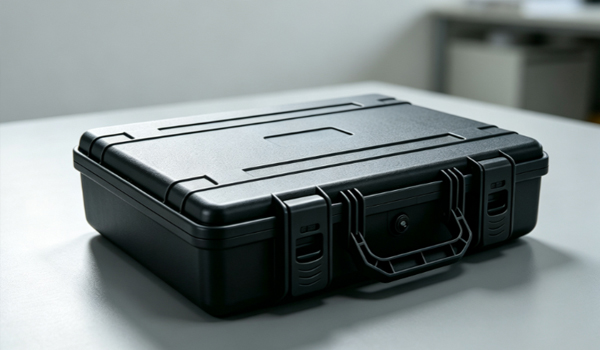
Why Do Precision Tools Need Professional Protective Structures During Transportation?
The protection of precision tools depends not only on a strong outer case, but also on the coordination between external protection and internal fixation to reduce significant movement during transportation.
The Outer Case Provides Basic Protection
A transportation case needs to provide protection against impact, dust, and moisture. The case strength should be selected according to equipment weight and transportation conditions. Sealing gaskets and latches can help reduce the entry of dust and moisture, while appropriate internal space and handles, pull rods, or wheels can make transportation easier and provide a stable environment for the equipment inside.
Internal Positioning Determines Transportation Stability
After the outer case provides sufficient structural strength, the internal fixation method is equally important. Protective structures can be designed according to the equipment shape:
- Custom EVA Inserts: Positioning slots can be machined according to the equipment profile to keep the main unit securely in place.
- Additional Cushioning Areas: Appropriate cushioning space around the equipment can reduce direct impact caused by transportation vibration.
- Separate Accessory Compartments: Probes, cables, batteries, and other accessories can be stored separately to reduce collisions.
- Sufficient Access Space: The internal structure should secure the equipment while allowing staff to remove and replace it conveniently.
Combining internal positioning with the outer case structure helps maintain a more stable equipment condition during transportation.
How Should Transportation Protection Solutions Be Selected for Different Precision Tools?
Different types of equipment vary considerably in dimensions, weight, and structure. Protective cases should not use exactly the same internal layout and need to be configured according to the characteristics of the actual tools.
Measuring Instruments Need Proper Positioning Protection
Total stations, measuring equipment, and other engineering instruments usually include main units, probes, accessories, and other components. A transportation solution can focus on the following aspects:
- Secure the Main Unit Separately: Create a dedicated positioning area according to the equipment profile to reduce movement.
- Separate Accessories: Store measuring rods, connectors, and other accessories independently to avoid direct contact with the main unit.
- Organize Cables Centrally: Provide a separate space for cables to reduce tangling and compression.
- Consider On-Site Portability: Select suitable handles or portable structures according to the distance personnel need to move the equipment.
For measuring equipment that frequently moves between different work locations, internal fixation and external portability need to be planned together.
Electronic Testing Tools Need Reduced Impact and Environmental Exposure
Tools such as multimeters, testing instruments, and signal equipment often need to be stored together with probes, cables, and auxiliary accessories. Corresponding storage areas can be arranged according to different equipment types.
| Tool Type | Recommended Protective Structure | Key Requirement |
| Measuring Instruments | Custom EVA-Lined Case | Secure Main Unit and Accessories |
| Electronic Testing Equipment | Protective Case + Compartmentalized Insert | Reduce Impact and Mixing |
| Industrial Inspection Tools | Sealed Protective Case | Dust, Moisture, and Transportation Protection |
| Precision Maintenance Tools | Custom Tool Case | Organized Storage and Quick Access |
| Outdoor Testing Equipment | Waterproof and Dustproof Case | Adapt to Complex Working Environments |
Dividing cases and internal spaces according to equipment types allows the protective structure to better match actual transportation tasks.
Laboratory Tools Need to Balance Storage and Transportation
Precision equipment in laboratories is generally sensitive to impact and environmental changes. Different storage configurations can be used for long-term storage and short-distance transportation:
- Position the Main Equipment Separately: Prevent multiple devices from colliding within the same space.
- Organize Accessories by Category: Store supporting tools, cables, and small components separately.
- Provide Complete Cushioning Areas: Add targeted protection around parts that are more vulnerable to impact.
- Facilitate Daily Handling: Select handles or other transportation structures according to equipment weight.
Dedicated internal layouts for laboratory equipment can make the storage and transportation processes easier to connect.
How Can Internal Storage Be Improved for Precision Tool Transportation Protection?
Transportation protection is not limited to preventing impact. It also needs to maintain a clear relationship between the main unit, accessories, and tools. A well-planned internal layout can reduce mixing and make equipment preparation faster after reaching the worksite.
Customize EVA Inserts According to Equipment Dimensions
Precision equipment comes in different shapes, and standard empty cases may not provide both adequate fixation and protection. Custom inserts can be planned according to the equipment profile. Integrated positioning, layered storage, reinforced protection for key areas, and flexible layout adjustments can reduce equipment movement while making better use of the internal space.
Manage Small Accessories in Separate Areas
Precision tools often include many small accessories. Without proper compartments, these items can become mixed together or collide during transportation:
- Compartmentalize Probes, Connectors, and Screws: Provide separate storage areas for small components of different specifications.
- Organize Data and Power Cables Separately: Reduce cable tangling and prevent cables from pressing against precision components.
- Secure Spare Parts: Reserve clearly defined locations for commonly used spare parts.
- Place Frequently Used Accessories Near the Access Area: Make equipment preparation faster after arriving at the worksite.
Separating small accessories creates a clearer storage relationship between the main unit and its supporting components.
High-Frequency Transportation Requires Attention to Durability
Frequent transportation repeatedly tests the case, latches, hinges, and inserts. The design should reinforce corners and load-bearing areas, select latches and hinges according to usage frequency, maintain stable insert positioning, and facilitate cleaning and partial replacement, allowing the durability of the case to match that of the internal protective materials.
How Can Companies Customize Precision Tool Protection Solutions According to Transportation Conditions?
The same equipment may go through storage, vehicle transportation, on-site construction, and long-distance transfer. The protection solution needs to be adjusted according to transportation routes and working environments rather than focusing only on the case itself.
Determine Case Functions According to the Transportation Environment
Different transportation environments have different protection priorities, which can be configured according to actual application conditions:
- Indoor Transfer: Focus on equipment fixation and convenient daily access.
- Vehicle Transportation: Strengthen internal cushioning and equipment positioning to reduce vibration during driving.
- Outdoor Operations: Add dustproof and moisture-resistant structures according to environmental conditions.
- Long-Distance Transportation: Pay attention to case strength, sealing performance, and internal fixation.
- Frequent Relocation: Focus on portable structures such as handles, pull rods, and wheels.
Planning case functions according to the transportation route can make the protection configuration more suitable for actual working conditions.
Reserve Customization Space for Equipment Changes
The instruments and professional tools used by companies may change as projects develop, so the storage system should retain a certain level of expandability:
- Create Independent Modules for New Equipment: Prevent newly added equipment from being mixed with existing tools.
- Adjust EVA Slots When Instruments Change: Re-plan internal positioning according to the shape of the new equipment.
- Add Compartments When Accessories Increase: Reserve storage areas for additional cables, probes, and accessories.
- Create Dedicated Cases for Different Positions: Measuring, inspection, and maintenance personnel can use different internal configurations.
Adjustable internal structures can accommodate changes in equipment combinations while making long-term management of different precision tools easier.
The core of precision tool transportation protection is to maintain proper equipment fixation throughout different transfer stages while using case structures, cushioning inserts, and internal organization to reduce impact and mixing during transportation. For laboratory equipment, inspection instruments, engineering surveying tools, and field maintenance equipment, case functions can also be adjusted according to usage frequency and transportation routes, making the protection solution more closely aligned with actual workflows. SIPHIA BOX provides various cases and customized storage solutions, with inserts and transportation configurations designed according to precision tools and testing equipment, supporting equipment transportation protection for a range of applications.