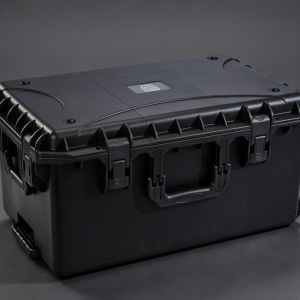
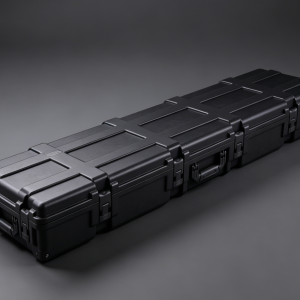
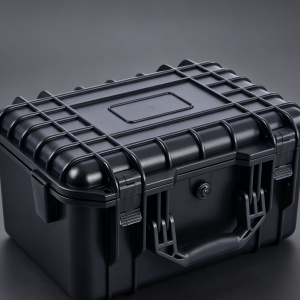
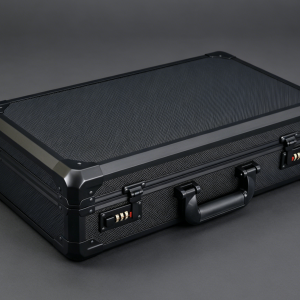
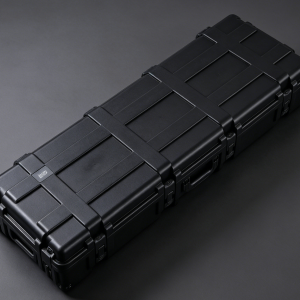
The biggest toolbox is not always the best choice. Professional repair technicians, engineers, electricians, mechanics, and construction workers have different requirements depending on their tools, working environments, and mobility needs. A toolbox that is too small can make tools difficult to organize and access, while an oversized toolbox can add unnecessary weight and take up valuable space. Choosing the right toolbox size requires considering the actual work environment and tool configuration.
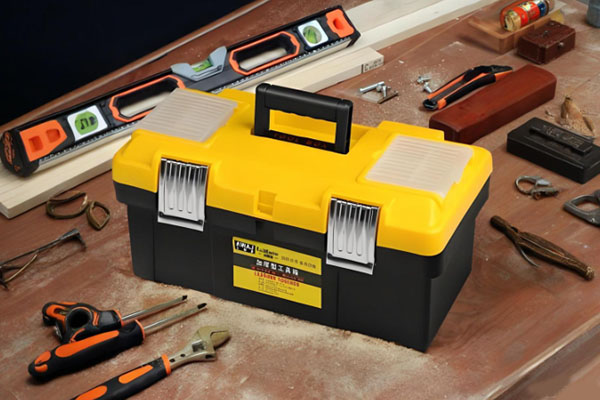
Home Repair: A Small Toolbox Is More Practical
Limited Number of Everyday Tools
Common household tools include screwdrivers, adjustable wrenches, pliers, measuring tapes, hex keys, and a small selection of fasteners. Since the number of tools is usually limited, a large storage space is rarely necessary.
A small toolbox can generally meet everyday home repair needs. Instead of focusing only on capacity, users should pay attention to the internal layout and portability. A toolbox with a handle, dividers, or small compartments can keep frequently used tools organized and easy to access.
Consider Storage Space
Home toolboxes are often stored in cabinets, garages, workshops, or car trunks, so the external dimensions also matter. It is usually sufficient to choose a toolbox that can accommodate existing tools while leaving some room for future additions.
Automotive Repair: Medium to Large Toolboxes
Automotive Tools Require More Storage Space
Automotive repair involves sockets, wrenches, screwdrivers, ratchets, power tools, and diagnostic equipment. These tools come in different sizes, and their quantity can be considerable. Small toolboxes can quickly become overcrowded, making tools difficult to organize and access.
For general automotive repair, a medium-sized toolbox can provide a good balance between storage capacity and mobility. For professional workshops with a large collection of tools, a larger toolbox may be more suitable.
Pay Attention to Mobility
Automotive repair tools can be relatively heavy, so toolbox capacity should not be the only consideration. A toolbox with wheels and a telescopic handle can make it easier to move large quantities of tools around a workshop.
For professional automotive technicians, a rolling toolbox can reduce the effort required to transport heavy tools between different work areas.
Factory Equipment Maintenance: Large-Capacity Toolboxes
Accommodate Multiple Types of Tools
Factory equipment maintenance may involve mechanical repairs, electrical maintenance, equipment adjustment, and troubleshooting. Technicians may need wrenches, pliers, screwdrivers, measuring instruments, power tools, and various spare parts.
These applications require both sufficient capacity and effective internal organization. Medium to large industrial toolboxes can provide more storage space while allowing different types of tools to be separated using trays, dividers, or drawers.
Larger Sizes Work Well for Fixed Workstations
When a toolbox remains near a fixed maintenance station and does not need to be moved frequently, a larger capacity can be an advantage.
A large toolbox can accommodate more spare tools and accessories while providing enough space to establish a consistent tool organization system. This is particularly useful for factory maintenance departments that need to manage a large number of tools in one location.
Electrical Work: A Medium Portable Toolbox
Balance Tool Capacity and Portability
Electricians commonly use electrical pliers, screwdrivers, wire strippers, multimeters, voltage testers, measuring tapes, and small accessories. Although the number of tools may not be extremely large, they often need to be carried from one location to another.
A medium-sized portable toolbox is therefore a practical choice for many electrical maintenance applications. A well-designed interior can separate hand tools, testing instruments, and small components while keeping the toolbox easy to carry.
Leave Enough Space for Measuring Instruments
If a multimeter, testing device, or other electronic instrument needs to be stored inside the toolbox, size should not be determined only by the number of tools.
Measure the length, width, and height of the equipment and leave sufficient space for foam inserts or other protective materials. This helps keep sensitive instruments securely positioned during transportation.
Construction Sites: Choose the Size According to Mobility
Larger Capacity for Short-Distance Work
When workers operate within a relatively fixed construction area, carrying more tools at once can reduce unnecessary trips to retrieve equipment.
A larger toolbox can therefore be useful for short-distance construction work, especially when it is equipped with wheels or reinforced components to support heavier tool loads.
Medium-Sized Toolboxes for Frequent Movement
When workers frequently move between different construction areas, an oversized toolbox may become inconvenient. More storage capacity generally means greater weight, which can increase the physical burden of transportation.
In these situations, a medium-sized toolbox can be a better option. Workers can carry only the tools needed for the day’s tasks while avoiding unnecessary weight.
Precision Equipment Maintenance: Size Matching Matters More Than Capacity
Precision Tools Require Individual Protection
Measuring instruments, electronic testing equipment, and precision maintenance tools often require protection against impact, dust, and movement. For these applications, toolbox selection should focus on matching the internal dimensions to the equipment rather than simply choosing the largest available capacity.
If the interior is too large, equipment may move around during transportation. If it is too small, there may not be enough room for protective materials. Proper sizing is therefore essential.
Leave Room for Foam and Cushioning
For toolboxes that use custom foam inserts, the dimensions of the equipment, foam thickness, and fixing areas should be calculated in advance.
Proper internal dimensions help keep equipment securely positioned and reduce the risk of impact or vibration during transportation.
How to Choose the Right Toolbox Size?
Start by Listing the Tools You Need
Before selecting a toolbox, gather the tools you use regularly and organize them into categories such as wrenches, screwdrivers, pliers, measuring tools, power tools, and accessories.
Once the quantity and types of tools are clear, measure the longest, widest, and tallest items to determine the required internal space.
Consider How the Toolbox Will Be Transported
If the toolbox will remain in one location, storage capacity can be a major priority. If it needs to be carried frequently, weight, handles, wheels, and overall dimensions become more important.
For professionals who move between different work areas, a toolbox with a practical capacity and convenient transportation features is often more useful than an extremely large model.
Leave Some Room for Future Expansion
The number of tools a professional uses may increase over time. If a toolbox is already completely full, adding a few new tools can quickly create storage problems.
It is therefore useful to leave some extra capacity when selecting a toolbox. However, there is no need to choose a toolbox that is significantly larger than the actual requirements, as excessive size can increase weight and reduce portability.
Key Principles for Choosing Toolbox Size
Choose Internal Space Based on Tool Dimensions
The usable internal space of a toolbox is more important than its external dimensions alone. When storing long-handled tools, power tools, or precision equipment, pay close attention to the internal length, width, and height.
Consider Portability Based on Work Frequency
If tools need to be carried every day, portability becomes increasingly important. Handles, wheels, telescopic handles, and a reasonable overall weight can all improve everyday usability.
Match the Toolbox Structure to the Working Environment
Workshops, construction sites, outdoor maintenance, and precision equipment transportation have different requirements. In addition to size, users should consider structural strength, internal protection, sealing performance, and overall durability.
Different work scenarios require different toolbox sizes. Small toolboxes are generally suitable for household repairs, while electricians and field maintenance workers may benefit from portable medium-sized models. Automotive repair and factory equipment maintenance often require medium to large toolboxes, while precision equipment maintenance should focus more on internal dimensions and protective structures.Siphia Tool Box offers a variety of toolbox storage and protection solutions for different applications. Professional users can select suitable products according to tool quantity, tool dimensions, working environment, and transportation requirements. For tools with special dimensions, large tool collections, or complex storage requirements, customized toolbox designs can also be considered.The right toolbox is not necessarily the largest one. The ideal choice is the one that creates a practical balance between storage capacity, internal organization, portability, and protection.