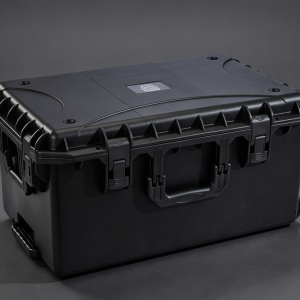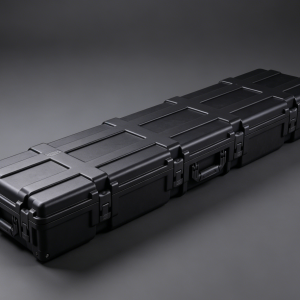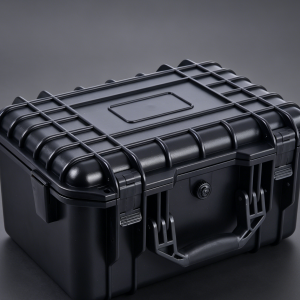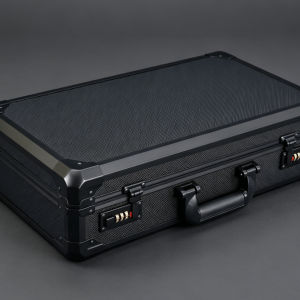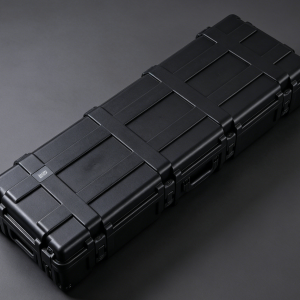
ABS plastic toolboxes are practical storage products that combine good structural rigidity, appearance, and portability. They are widely used for repair work, installation, testing, equipment maintenance, and household tool organization. ABS materials have good processing characteristics and can be formed into toolboxes with different sizes and internal configurations through injection molding and other manufacturing processes. As a result, ABS toolboxes are available in single-compartment, multi-tray, compartmentalized, and foam-lined professional designs. Compared with ordinary plastic storage boxes, ABS toolboxes place greater emphasis on body structure and tool protection, making them suitable for work environments where tools need to be transported frequently, accessories need to be organized, or a professional appearance is preferred. During actual use, toolbox capacity, wall thickness, latches, hinges, handles, and internal dividers can all affect the user experience. Selecting an ABS plastic toolbox according to the specific work requirements can keep wrenches, screwdrivers, pliers, measuring instruments, electronic accessories, and small maintenance equipment organized while reducing collisions and movement during transportation.
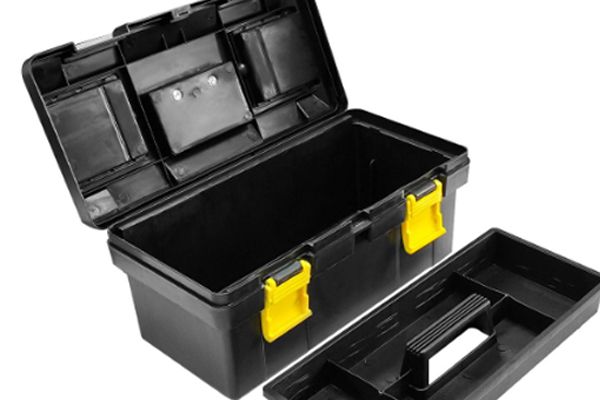
ABS Plastic Toolboxes for Automotive Repair and Equipment Maintenance
Automotive repair and equipment maintenance require many different types and sizes of hand tools. Technicians frequently move between workbenches, vehicles, and equipment areas, making convenient tool storage important. ABS plastic toolboxes can store wrenches, sockets, ratchets, screwdrivers, pliers, and testing accessories in one place. Internal trays and dividers can reduce tool mixing and make individual tools easier to locate. For automotive technicians, a toolbox needs to provide more than storage capacity; it should also support quick access. Multi-tray designs can place frequently used tools in the upper trays while larger tools remain in the bottom compartment. Equipment maintenance may involve different fasteners, connectors, and testing accessories, and ABS toolboxes with adjustable dividers can reorganize the internal space according to component sizes. ABS bodies provide good rigidity and can maintain structural stability during everyday transportation, making them suitable for technicians who frequently carry their tools. For users who keep toolboxes in vehicle trunks for extended periods, choosing a suitable size can help balance storage capacity with portability.
Applications of ABS Plastic Toolboxes in Electrical Installation and Electronics Repair
Electrical installation and electronics repair often require screwdrivers, wire strippers, crimping pliers, multimeters, connectors, terminals, and many small components. These tasks require efficient tool organization because mixing components of different specifications can increase search time and result in the loss of small parts. ABS plastic toolboxes can create organized storage areas through trays, compartment boxes, removable dividers, and small storage sections. Electronics technicians can choose models with foam inserts to secure testing equipment or precision tools in designated positions, reducing the possibility of movement and impact during transportation. Electrical installation workers may prefer portable models with comfortable handles and suitable storage capacity, making it easier to move between different installation locations. Some ABS toolboxes can also include transparent lids or transparent parts organizers, allowing users to identify small components without completely opening the box. For indoor equipment rooms, repair benches, and installation areas, ABS materials can provide a clean appearance and stable body structure, making these toolboxes suitable for professional tool organization.
Professional Working Environments Suitable for ABS Plastic Toolboxes
ABS plastic toolboxes have a wide range of applications. Different occupations can select suitable configurations according to tool quantity, equipment dimensions, and transportation frequency. Compared with large fixed tool cabinets, portable ABS toolboxes are more suitable for workers who need to carry their tools between different locations. Common applications include:
- Mechanical Maintenance: Suitable for storing wrenches, screwdrivers, hex keys, ratchets, and common fasteners. Multi-tray designs can keep different hand tools organized and make them easier to access during equipment servicing.
- Communication Equipment Maintenance: Communication technicians may need screwdrivers, wire-stripping tools, connectors, testing accessories, and small installation components. ABS toolboxes can combine compartmentalized storage with foam inserts to accommodate both tools and precision accessories.
- Instrument Testing: Workers who carry testing instruments, measuring tools, and cables can select ABS toolboxes with independent compartments and fixing structures to reduce movement during transportation.
- Construction and Installation: Installation workers frequently move tools around construction sites. Larger ABS toolboxes can store power tool accessories, fasteners, and hand tools together, improving efficiency during field work.
- Home DIY: Household users can use compact ABS toolboxes to store hammers, screwdrivers, wrenches, measuring tapes, and common hardware accessories. Their compact size makes them convenient for garages, storage cabinets, and home work areas.
- Industrial Inspection: Factory inspection technicians often carry maintenance tools and testing accessories. ABS toolboxes with trays and dividers can keep inspection tools in fixed locations and reduce the time spent searching for equipment.
These working environments share a common requirement: tools need to be transported regularly while remaining well organized. Selecting the appropriate toolbox capacity and internal configuration according to the job can improve the practical value of an ABS toolbox.
Advantages of ABS Plastic Toolboxes for Precision Tools and Instruments
Precision tools, testing equipment, and electronic instruments usually require more careful storage than ordinary hand tools. If a toolbox lacks internal fixing structures, equipment may move during transportation and collide with the box walls or other tools. Professional ABS toolboxes can therefore be equipped with foam inserts, EVA positioning slots, removable dividers, and independent storage compartments. Foam can be cut according to the shape of an instrument to keep it relatively stable inside the toolbox, while dividers can separate cables, connectors, and other accessories from the main equipment. ABS bodies provide good rigidity and are suitable for producing carrying cases with stable external shapes and customized internal structures. For technicians who frequently transport measuring equipment, internal storage spaces can be designed according to instrument dimensions, allowing the toolbox to provide both organization and protection. These products are suitable for laboratory support equipment, industrial testing instruments, electronic repair equipment, and field testing tools.
What Design Features Should Be Considered When Choosing an ABS Plastic Toolbox?
When selecting an ABS plastic toolbox, buyers should consider tool weight, usage frequency, transportation methods, and the dimensions of the items being stored. Workers who frequently carry tools should pay attention to handle size, grip position, and overall toolbox weight to avoid excessive carrying difficulty after the box is fully loaded. For users with many repair tools, multi-tray systems and adjustable dividers can improve space utilization while keeping different tools organized. If the toolbox is primarily used for electronic instruments or precision equipment, foam inserts, fixing slots, and internal cushioning structures deserve greater attention. Latches and hinges are also important components because they are frequently operated during long-term use. Reliable designs can reduce the possibility of accidental opening during transportation. For products used outdoors or in demanding construction environments, buyers can also consider reinforcing ribs, bottom support, and sealing structures. ABS toolboxes are not limited to a single industry. Through different sizes, tray configurations, lining solutions, and latch designs, they can meet requirements in automotive repair, electrical installation, communication maintenance, industrial inspection, home DIY, and instrument transportation. Selecting the capacity and structure according to the actual tool set can prevent unnecessary carrying weight caused by an oversized box while also avoiding storage limitations caused by insufficient space, making ABS plastic toolboxes practical storage solutions for both everyday maintenance and professional work.