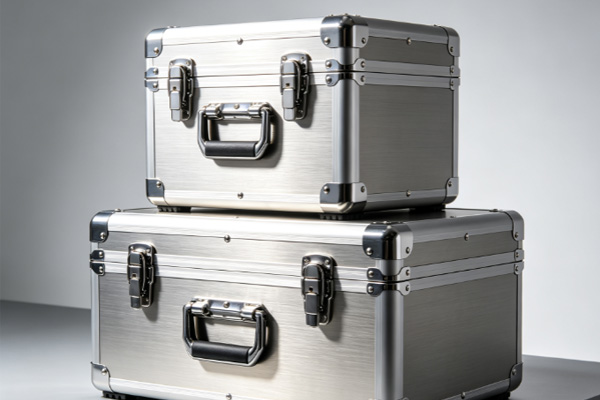
Tool boxes are constantly moved, opened, closed, and handled in workshops. After regular use, the quality of the material becomes easy to see. Ordinary metal tool boxes may develop rust spots or gradually deform when exposed to moisture, oil, or long-term use. A 304 stainless steel tool box is better suited to working environments where corrosion resistance, strength, and easy cleaning are important. It is not just about having a solid appearance; it can also handle demanding daily use, making it suitable for industrial maintenance, machining, equipment servicing, and outdoor work.
Why Is a 304 Stainless Steel Tool Box Resistant to Rust?
304 stainless steel is a commonly used corrosion-resistant material for tool boxes. It contains chromium and nickel, which help form a protective passive layer on the surface and reduce oxidation and corrosion under normal conditions. For maintenance workers, this is a practical benefit: the tool box does not require complicated daily care, and moisture, oil, or water stains can usually be managed with timely cleaning.
The corrosion resistance of 304 stainless steel tool boxes can be seen in several practical areas:
- Moisture resistant: Suitable for workshops and storage areas with higher humidity.
- Oil resistant: Oil and grease on the surface are relatively easy to clean.
- Oxidation resistant: Less likely to develop obvious rust than ordinary steel during normal use.
- Suitable for long-term use: Less likely to deteriorate quickly due to corrosion.
When a tool box stays near machining equipment, repair stations, or industrial machinery, moisture, metal dust, and oil can gradually affect the box. A 304 stainless steel tool box can maintain a stable condition in these environments, while regular wiping and simple cleaning help keep it in good shape.
What Are the Practical Advantages of 304 Stainless Steel Tool Boxes?
Many buyers choose 304 stainless steel tool boxes not simply because they look premium, but because they need something that can handle everyday work. Wrenches, sockets, power tools, pliers, and other equipment can be heavy, so the box needs to withstand the load. During transportation, it may also experience impacts, vibration, and frequent opening and closing.
In daily use, 304 stainless steel tool boxes typically offer these advantages:
- Good structural strength: Handles everyday tool storage and transportation.
- Good durability: Less likely to deteriorate quickly from corrosion.
- Easy to clean: Oil, dust, and water stains are relatively easy to remove.
- Stable appearance: Maintains a clean metal appearance over long-term use.
- Suitable for frequent use: A practical choice for maintenance workers who access tools every day.
In industrial maintenance, a tool box is rarely just kept as a backup. It is often used every day. The box, drawers, latches, and handles may all go through repeated operation. 304 stainless steel provides a stable material base, while suitable sheet thickness and structural design can make the overall tool box feel more solid and reliable.
Where Are 304 Stainless Steel Tool Boxes Commonly Used?
A 304 stainless steel tool box is not limited to one particular industry. It can be useful wherever corrosion resistance, cleanliness, and durability are important. Its benefits become especially noticeable in workplaces where tools are regularly exposed to water, oil, dust, or long-term storage conditions.
Common applications include:
- Mechanical repair workshops: For storing wrenches, sockets, screwdrivers, and repair parts.
- Equipment maintenance: For keeping routine service tools ready for maintenance workers.
- Metalworking workshops: Suitable for environments with metal dust, debris, and oil.
- Automotive repair: Useful for organizing repair tools and easy daily cleaning.
- Construction sites: For carrying and protecting commonly used tools.
- Outdoor maintenance: Suitable for work where tools may be exposed to moisture and changing conditions.
Different workplaces have different tool storage requirements, but the key benefits of 304 stainless steel are its corrosion resistance and easy cleaning. For companies that need tool boxes for long-term use, stable construction can also reduce the hassle of replacing storage equipment too frequently.
What Should You Check When Buying a 304 Stainless Steel Tool Box?
When buying a 304 stainless steel tool box, do not focus only on the words “304 stainless steel.” Actual performance also depends on sheet thickness, welding quality, box construction, hardware components, and surface treatment. Two products labeled as 304 stainless steel can still differ in load capacity and durability.
Key things to check include:
- Confirm the material: Make sure the product clearly specifies 304 stainless steel.
- Check the sheet thickness: Consider the load capacity of the box and drawers when storing heavy tools.
- Inspect the welds: Smooth and consistent welds can contribute to structural stability.
- Check the hardware: Hinges, latches, handles, and drawer slides should be suitable for regular use.
- Look at the internal layout: Well-designed drawers, dividers, and tool slots make tools easier to access.
For industrial maintenance, also consider whether the tool box will stay in one place or need to be moved frequently. If it needs to be pushed around the workshop, a design with durable casters and a stable push handle can be useful. For a fixed workstation, drawer load capacity and efficient use of internal space may be more important.
The advantages of a 304 stainless steel tool box go beyond corrosion resistance. It also offers a practical combination of strength, easy cleaning, and long-term usability. For mechanical repair, equipment maintenance, automotive repair, metalworking, and engineering work, this type of tool box can handle moisture, oil, dust, and frequent daily use. For businesses looking for long-term tool storage, choosing a 304 stainless steel tool box with reliable materials, solid construction, and suitable drawer capacity can be more practical than focusing only on the purchase price.