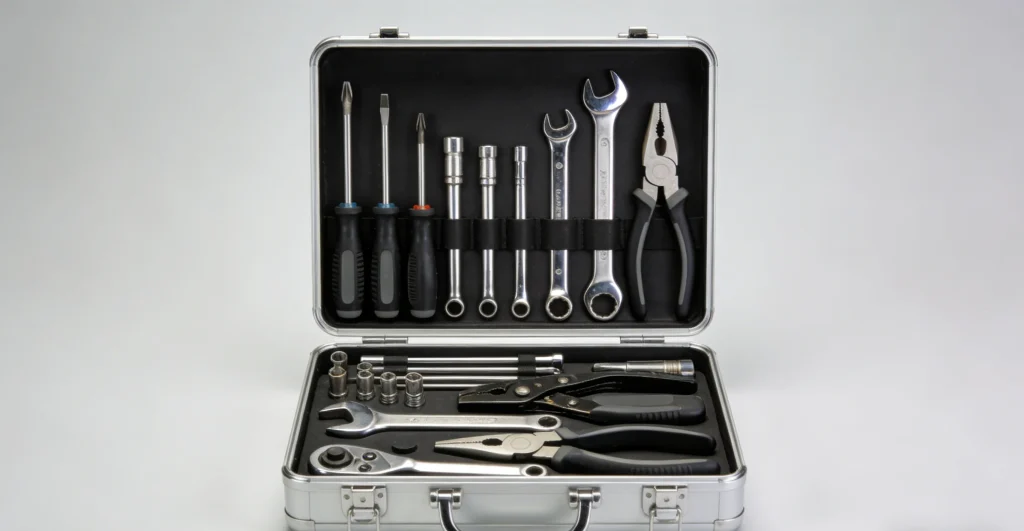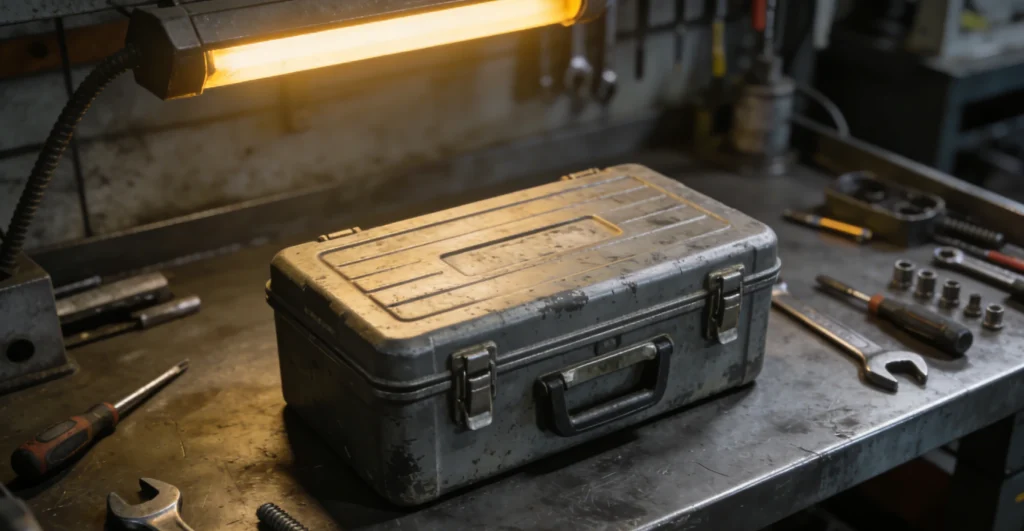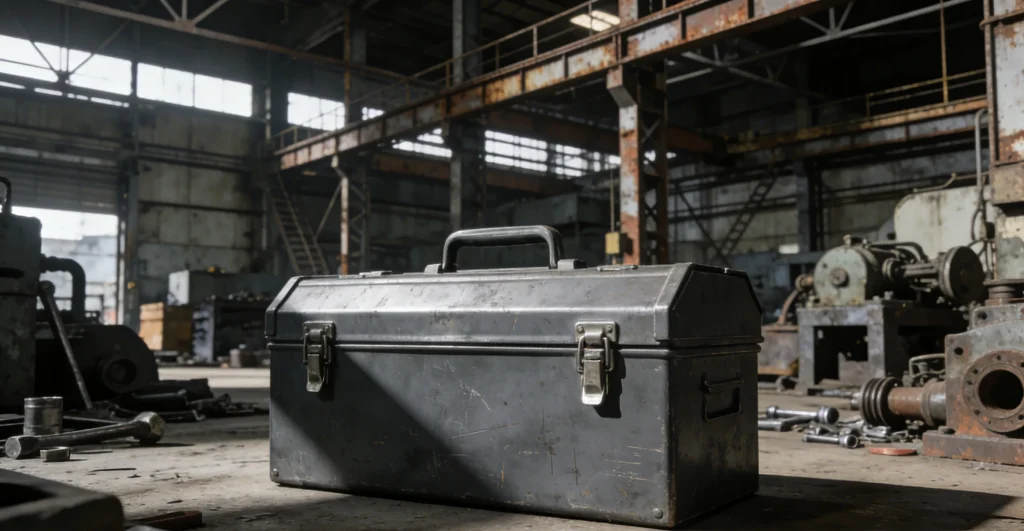
In automotive repair, industrial maintenance, construction projects, and professional production environments, the number of tools continues to grow. Traditional toolboxes are gradually unable to meet high-frequency usage needs in terms of storage capacity, mobility, and classification management. A large-capacity rolling tool box provides greater storage space, multi-drawer structures, and convenient mobility design, enabling centralized tool management and quick access. For professionals who rely on a wide range of repair tools over long periods, a toolbox must not only offer sufficient capacity but also deliver more efficient organization. With flexible storage, stable load-bearing performance, and easy mobility, large-capacity rolling tool boxes have become essential tool management equipment in modern workplaces.
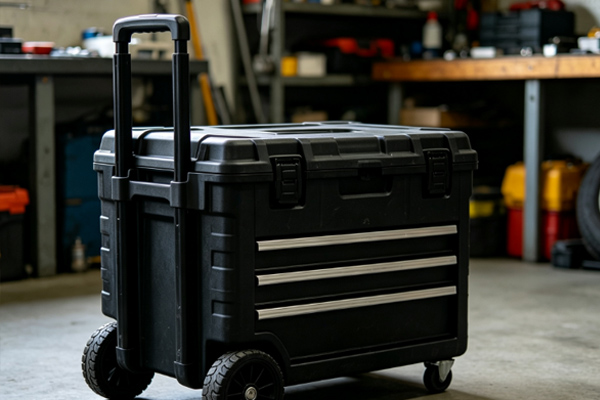
Large-Capacity Design Enhances Tool Storage Ability
When the number of tools increases, sufficient storage space directly affects daily work efficiency. A large-capacity rolling tool box improves organization by optimizing its internal structure, ensuring clear classification of tools.
Multi-Layer Space Meets Different Tool Requirements
Compared with standard toolboxes, large-capacity rolling tool boxes offer more extensive storage areas.
- Centralized management of hand tools: Wrenches, screwdrivers, pliers, sockets, and other commonly used tools are stored separately to reduce mixing.
- Proper storage of power tools: Drills, charging devices, and maintenance accessories can be organized within larger compartments to improve utilization.
- Independent placement of specialized equipment: Measuring instruments and special maintenance tools are stored in dedicated areas to avoid interference.
The multi-layer design makes tool classification clearer and improves daily usability.
Improved Space Utilization Efficiency
As the number of tools increases, multiple standard toolboxes can lead to scattered management.
- Centralized storage of more tools: One large-capacity box can replace several smaller storage units.
- Reduced searching time: Centralized organization makes tool access more efficient.
- Optimized workspace: Reduces clutter on floors and workbenches, keeping the environment cleaner.
Centralized management significantly improves space utilization efficiency.
Rolling Structure Enhances Mobility Convenience
A large-capacity tool box carries many tools, so mobility directly affects user experience.
Casters Reduce Physical Strain
Traditional toolboxes become heavy when fully loaded, making manual carrying difficult.
- Quick movement between workstations: The box can be easily pushed between different work areas.
- Simultaneous transport of multiple tools: Tools move together with the box, improving on-site efficiency.
- Adaptability to complex environments: Suitable for automotive repair, equipment maintenance, and more.
The rolling structure makes tool management more flexible.
Stable Movement Performance
A large-capacity rolling tool box must ensure safety and stability during movement.
- Reinforced box structure: Reduces shaking during transport.
- Drawer locking design: Prevents tools from falling out.
- Improved user experience: Reduces repeated organization work.
A stable structure makes it suitable for high-frequency use environments.
Classification Structure Improves Tool Management Efficiency
Tool management efficiency depends not only on capacity but also on internal layout.
Zoning Design Improves Access Speed
Large-capacity rolling tool boxes typically use drawer-based and modular structures.
- Priority storage of frequently used tools: Common tools are placed in easily accessible positions.
- Independent organization of small parts: Screws, washers, and similar items are stored in compartments to reduce loss.
- Separate storage of special tools: Infrequently used equipment is kept separately to maintain order.
Proper classification helps form stable usage habits.
Adaptation to Multiple Work Scenarios
Different maintenance environments have different storage requirements.
- Automotive repair scenarios: Suitable for sockets, wrenches, and diagnostic tools.
- Industrial maintenance scenarios: Supports simultaneous use of multiple tools.
- Production workshop scenarios: Facilitates tool distribution between workstations.
Flexible structure improves overall adaptability.
Long-Term Value of Large-Capacity Rolling Tool Boxes
In long-term high-frequency use environments, structural strength and load-bearing capacity determine reliability.
Durable Structure Ensures Stability
Large-capacity rolling tool boxes are typically made of high-strength materials with reinforced frame designs, allowing them to withstand long-term heavy-duty use. Whether under frequent movement or continuous drawer operation, they maintain structural stability and reduce wear.
Expandability and Easy Maintenance Advantages
As tool variety increases, boxes must offer greater adaptability. Large-capacity rolling tool boxes support internal layout adjustments and modular expansion, allowing users to reorganize storage as needed. In addition, their wear-resistant surfaces and easy-to-clean design make daily maintenance simple.
With ample storage space, flexible mobility, clear classification, and stable structure, large-capacity rolling tool boxes effectively solve the problems of insufficient space and disorganized tool management found in traditional tool storage. In automotive repair, industrial maintenance, and construction scenarios, they improve tool usage efficiency and help users establish more standardized management practices. SIPHIA BOX focuses on professional tool storage solutions, combining efficient structural design with practical functionality to deliver a more organized and convenient tool management experience.