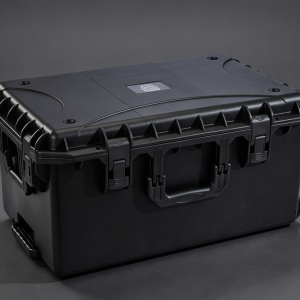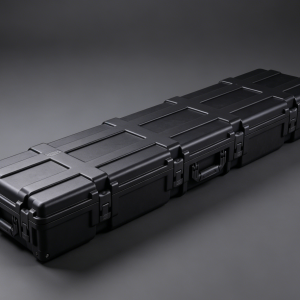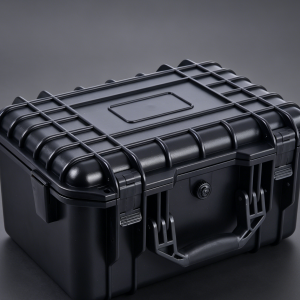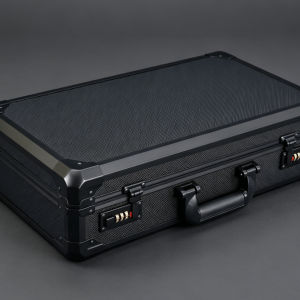
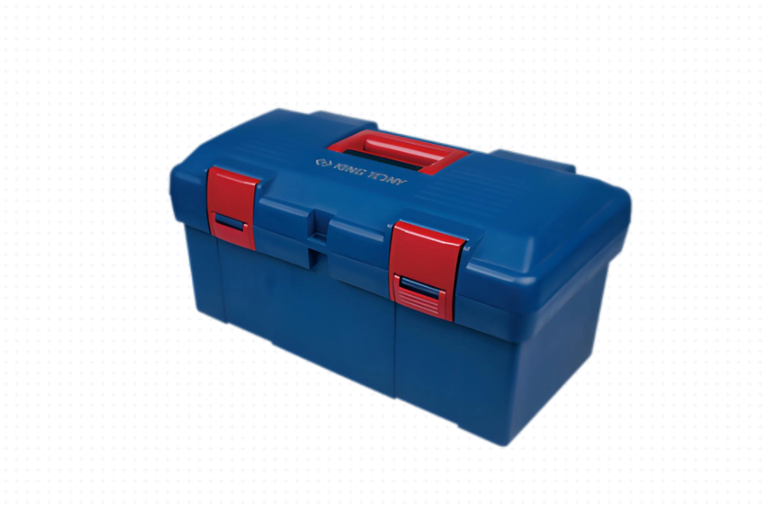
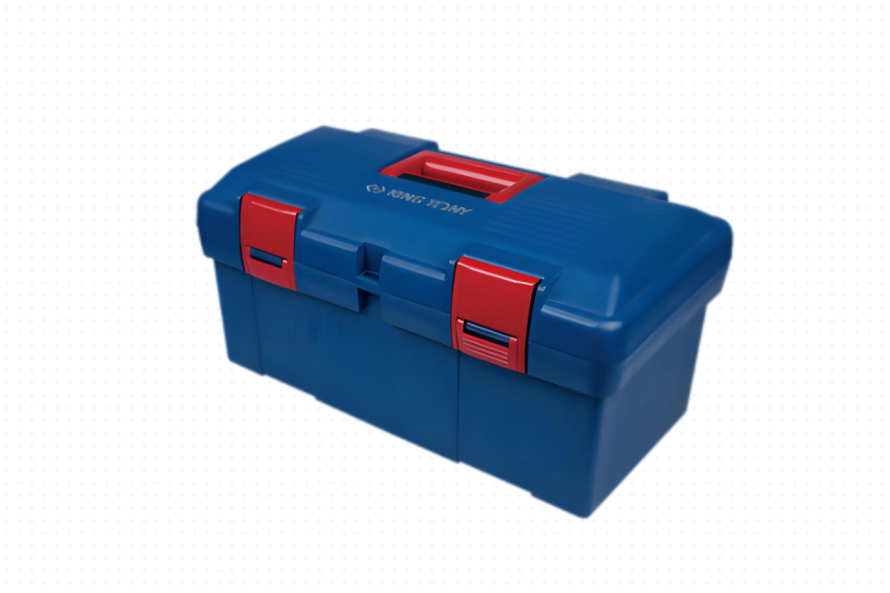
In addition to common toolbox colors such as black, red, and silver, blue toolboxes are also a popular choice among both professional users and homeowners. Blue is not as understated as black or as eye-catching as red. Instead, it creates an overall impression of cleanliness, stability, and professionalism. As a result, blue toolboxes have practical applications in repair workshops, industrial facilities, home garages, and DIY workspaces.
So, what are the main features of blue toolboxes? Which working environments are they suitable for? And what should you consider when choosing one?
What Are the Main Features of Blue Toolboxes?
A Clean and Professional Appearance
Blue is a versatile color that can work well with different types of working environments. Whether placed alongside metal tool cabinets, workbenches, or industrial equipment, a blue toolbox can create a coordinated overall appearance.
For professional technicians, a toolbox is more than just a container for storing tools. It is also part of their everyday work equipment. Blue can give a toolbox a clean and professional appearance without being overly noticeable.
Good Visual Recognition
Compared with black, blue toolboxes have a more distinctive color profile. When several toolboxes are placed together, blue can help users quickly identify their own equipment.
Companies that use color-coded tool management can also use different colors or shades to distinguish departments, job positions, and tool categories, helping improve overall tool organization.
What Work Environments Are Blue Toolboxes Suitable For?
Mechanical Repair Workshops
Mechanical repair work requires a wide range of tools, including wrenches, screwdrivers, pliers, and socket sets. A blue toolbox provides organized storage for these tools while helping keep the work area tidy.
In a repair workshop, blue does not create the strong visual distraction that some bright colors can produce. This makes it suitable for long-term placement near workbenches or tool cabinets.
Industrial Workplaces
Industrial facilities typically contain a large number of machines, production lines, and tools. Blue toolboxes can create a coordinated appearance with industrial equipment and can also be used as part of a color-coded tool management system.
For example, a factory can assign different toolbox colors to different maintenance teams, allowing workers to quickly identify which department a toolbox belongs to.
Home Garages and DIY Workshops
Blue toolboxes are also suitable for home users. If you have a garage, workshop, or dedicated DIY area, a blue toolbox can provide convenient tool storage while helping maintain an organized appearance.
For people who enjoy furniture assembly, basic automotive repairs, or household maintenance, a medium-sized blue toolbox can often provide enough storage for everyday tools.
How Can Blue Toolboxes Improve Tool Management?
Convenient Color Coding
Color coding is a simple way to organize tools. Businesses can assign different toolbox colors according to different types of work.
For example, blue could be used for mechanical maintenance tools, red for electrical repair tools, and black for general-purpose tools. Even when many toolboxes are used in the same workplace, this system can make identification easier.
Helps Reduce Tool Confusion
In workplaces where multiple people share equipment, tools can easily become mixed up or misplaced. Using toolboxes in different colors can help employees quickly identify which tools belong to a particular team or work area.
For large workshops, this approach does not require a complicated management system. A simple set of color-coding rules can already make everyday tool organization more efficient.
How Do Blue Toolboxes Compare with Other Colors?
Blue vs. Black Toolboxes
Black toolboxes have a classic and understated appearance and can make dust and minor stains less noticeable. Blue toolboxes have more distinctive visual characteristics and may be more suitable when different toolboxes need to be easily identified.
If you prefer a classic appearance, black may be the better choice. If you want a toolbox that is easier to recognize, blue can be a practical alternative.
Blue vs. Red Toolboxes
Red toolboxes have a stronger visual impact and are more noticeable in busy working environments. Blue is relatively softer and may be more suitable for users who prefer a professional and organized appearance.
Therefore, red is often a good option when high visibility is the priority, while blue offers a balance between visibility and professional styling.
What Should You Consider When Choosing a Blue Toolbox?
Choose the Capacity Based on Your Tools
Color does not determine whether a toolbox is suitable for your needs. Before buying one, consider which tools you need to store.
If you mainly need to organize screwdrivers, wrenches, and other hand tools, a small or medium-sized toolbox may be sufficient. If you need to store power drills, socket sets, and other professional equipment, a larger toolbox may be more appropriate.
Choose the Material Based on the Working Environment
Steel toolboxes generally offer good structural strength and are suitable for fixed workstations. Plastic toolboxes are lightweight and convenient for home use or mobile applications. Aluminum toolboxes can offer a balance between weight and appearance and are often suitable when portability is important.
Therefore, when choosing a blue toolbox, consider whether the material meets your actual working requirements rather than focusing only on color.
Pay Attention to the Toolbox Design
The number of drawers, internal compartments, locks, handles, and wheels can all affect the user experience. If you frequently carry your tools, a portable toolbox with a handle may be a better choice. If you have many tools, consider a multi-drawer toolbox or rolling toolbox.
Who Can Benefit from Blue Toolboxes?
Professional Repair Technicians
For mechanics, maintenance technicians, and equipment service professionals, blue toolboxes can provide a professional and organized appearance while making tool classification easier.
Businesses and Factories
Companies can use blue toolboxes as part of a standardized tool management system and combine them with other colors to distinguish departments and job functions.
Home DIY Enthusiasts
For home repairs and DIY projects, blue toolboxes can combine appearance with practicality. They are particularly suitable for garages, workshops, and other home workspaces.
If you are looking for a toolbox that combines a professional appearance, easy tool identification, and everyday practicality, blue is certainly worth considering. It is more distinctive than black without being as visually intense as red, making it relatively easy to integrate into repair workshops, industrial environments, and home workspaces.