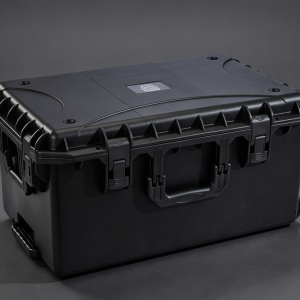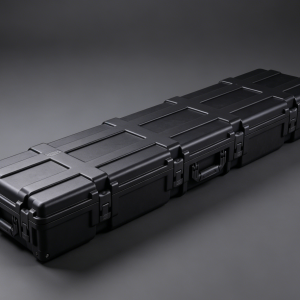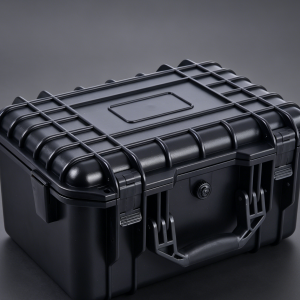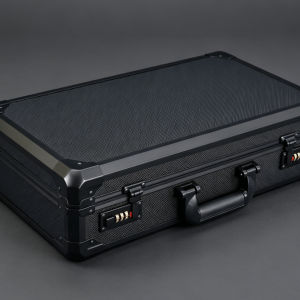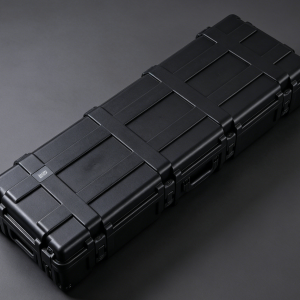
PP plastic toolboxes are common storage products made primarily from polypropylene (PP). They combine injection molding, reinforced structures, tray systems, and locking mechanisms to create practical tool storage solutions. Compared with ordinary plastic storage boxes, PP plastic toolboxes place greater emphasis on load capacity, portability, durability, and efficient use of internal space. They can be used for household repairs, automotive servicing, electrical installation, mechanical maintenance, outdoor construction, and other work. PP has a relatively low density, allowing toolbox manufacturers to control overall weight while maintaining suitable structural strength. The material also offers good toughness and can withstand a certain level of impact during everyday handling and transportation. PP also has good resistance to water and many chemical substances, giving it practical value in workshops, repair areas, and certain outdoor environments. Different body sizes, wall thicknesses, tray configurations, and divider systems allow PP plastic toolboxes to serve needs ranging from basic household storage to professional maintenance work.
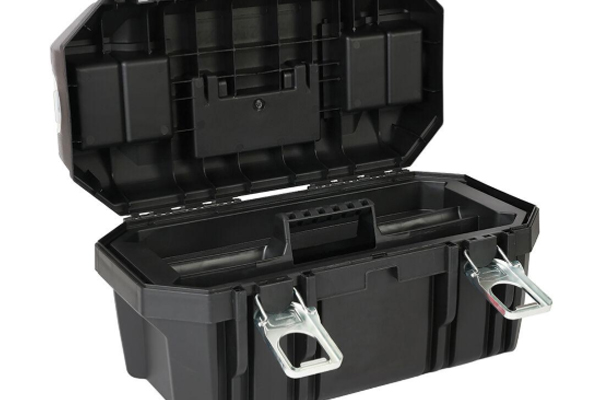
Lightweight and Portable Features of PP Plastic Toolboxes
PP has a relatively low density, so PP plastic toolboxes can generally achieve a lightweight design. For technicians who carry tools to different work locations every day, the weight of the toolbox itself can have a direct effect on transportation comfort. If the box is already heavy before tools are added, carrying wrenches, screwdrivers, pliers, sockets, and power tool accessories can create an additional physical burden. PP materials can help control toolbox weight while maintaining suitable structural performance, making them practical for electricians, maintenance technicians, automotive service workers, and DIY users. PP toolboxes can also be designed in different configurations, including handheld, compact, multi-tray, and wheeled models. Handheld models are suitable for commonly used tools and can be easily moved between workshops and equipment areas. Larger products can be equipped with wheels to reduce physical effort during longer-distance transportation. For workers who frequently use stairs or enter narrow work areas, lightweight PP toolboxes can also be easier to carry. Proper weight control allows a toolbox to achieve a practical balance between storage capacity and portability.
Water Resistance and Chemical Resistance of PP Material
PP plastic has good resistance to water and moisture, and unlike conventional metal materials, it does not develop rust simply because it is exposed to ordinary humid conditions. This makes PP toolboxes suitable for repair workshops, automotive service areas, outdoor workstations, and other environments with relatively high moisture levels. Actual toolbox protection also depends on the lid structure, sealing gasket, and locking system. If a toolbox will be used in rainy or humid conditions, a PP model with a suitable sealing structure can provide additional protection. PP can also resist many common chemical substances, making it practical when tools occasionally come into contact with oil stains, cleaning agents, or other materials during routine maintenance. However, actual chemical resistance depends on the specific material formulation and chemical being handled, so special industrial environments should be evaluated according to product specifications. Automotive technicians may frequently encounter oil and moisture during repair work, and PP bodies can reduce some maintenance concerns. For outdoor workers, a sealed PP plastic toolbox can also help reduce the entry of rainwater and dust, keeping stored tools cleaner and better organized.
Structural Features of PP Plastic Toolboxes
PP materials are suitable for injection molding, allowing manufacturers to create various internal and external structures according to different applications. Appropriate structural designs can improve body stability while keeping tools of different sizes organized. Common designs include:
- Reinforcing Rib Structure: Reinforcing ribs can be added to the exterior, bottom, and corners of the toolbox to improve overall rigidity. When heavier tools are stored inside, these ribs can help the body maintain its shape.
- Multi-Tray Structure: Upper trays can hold frequently used small tools such as screwdrivers, pliers, and sockets, while the lower compartment can store drills, large wrenches, and other larger equipment.
- Adjustable Dividers: Internal dividers can be repositioned according to tool dimensions, creating separate storage areas for different tools and components and reducing unnecessary mixing.
- Reliable Latch Structure: Latches secure the lid and are particularly useful when tools need to be transported frequently. Good-quality latches can reduce the risk of accidental opening during transportation.
- Ergonomic Handle: Wide handles, non-slip grips, or soft-touch structures can improve carrying comfort, especially for workers who frequently perform field maintenance.
- Stackable Storage Design: Some PP toolboxes feature flat lids and stable bases that allow multiple units to be stacked, making them suitable for warehouses, workshops, and centralized corporate tool management.
Different structural elements can be combined according to the intended application. For example, automotive toolboxes can use multi-tray systems with reinforcing ribs, electrical toolboxes can include compartmentalized storage, and household models can use compact single-layer configurations.
Working Environments Suitable for PP Plastic Toolboxes
PP plastic toolboxes are widely used because of their lightweight construction, water resistance, and flexible structural design. Automotive repair technicians, mechanical maintenance workers, and electrical installers can use PP toolboxes to organize commonly used tools and reduce clutter on workbenches or inside vehicles. Household users can choose compact PP toolboxes for hammers, measuring tapes, screwdrivers, wrenches, and common hardware accessories, making everyday repair supplies easier to locate. Construction and outdoor installation workers can use large-capacity PP toolboxes to carry more equipment while using handles or wheels to improve transportation efficiency. Agricultural machinery maintenance often takes place outdoors, where toolboxes may come into contact with soil, moisture, and oil. The water resistance and easy-cleaning characteristics of PP can provide practical advantages in such conditions. Garden equipment repair, warehouse equipment maintenance, and factory inspection work can also benefit from PP plastic toolboxes with capacities selected according to tool quantities. Workers who frequently carry testing equipment can choose PP models with trays, dividers, or foam inserts to separate instruments from ordinary hand tools. Different work environments have different storage requirements, so matching the toolbox configuration to the application can improve tool access and field work efficiency.
What Performance Features Should Be Considered When Choosing a PP Plastic Toolbox?
When selecting a PP plastic toolbox, buyers should consider more than the material name. Body thickness, structural design, load capacity, latches, hinges, handles, and internal storage space all influence practical performance. Users who need to store heavy tools can choose products with reinforced bottoms and thicker bodies to improve stability under long-term loads. Workers who frequently transport their tools should pay attention to the connection between the handle and toolbox body and select handheld or wheeled configurations according to transportation distance. For users who need to organize screws, nuts, connectors, and electronic accessories, models with transparent compartments, storage slots, or adjustable dividers can provide better organization. If tools need to be stored in humid environments, buyers should check whether the lid includes a sealing gasket and whether the closed latches provide consistent compression. For household applications, excessively large toolboxes may create unnecessary storage and transportation burdens, while professional technicians can select multi-tray or large-capacity models according to the number of tools they use. The service life of a PP plastic toolbox is also influenced by manufacturing quality, material formulation, and daily maintenance. Avoiding loads, impacts, and high temperatures beyond the product’s intended design can help maintain good performance. Matching the material, structure, capacity, and working environment allows PP plastic toolboxes to provide greater practical value for everyday repairs and professional tool management.