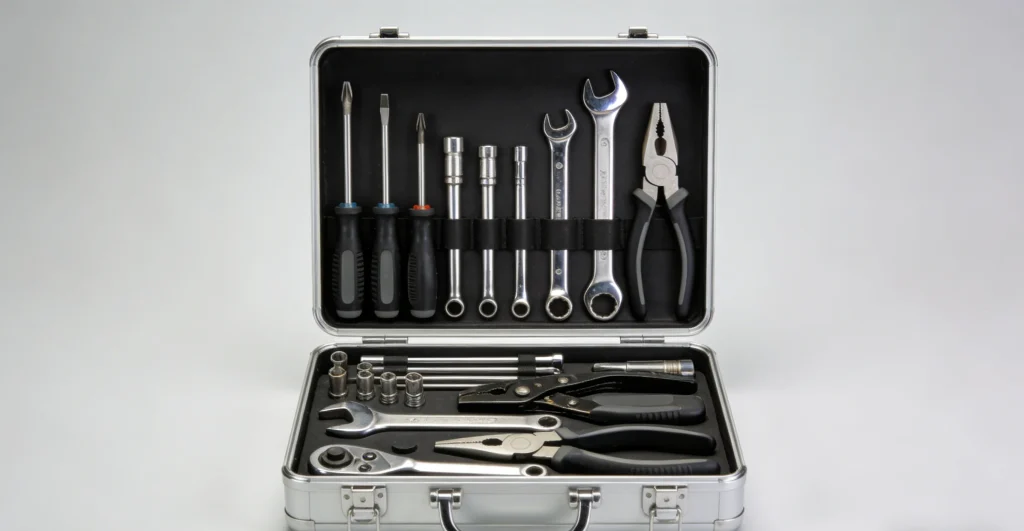
Automotive repair is not just about carrying a few wrenches. Once the work starts, socket sets, combination wrenches, adjustable wrenches, screwdrivers, pliers, torque tools, inspection equipment, and small parts can quickly fill a standard toolbox. So, what large toolbox is best for automotive repair? For technicians working in a garage every day, a toolbox needs to do more than simply hold everything. It should make tools easy to organize, access, and move. As the number of tools grows, a large toolbox with enough capacity, drawers, and reliable load-bearing strength can be much more practical than using several small toolboxes.
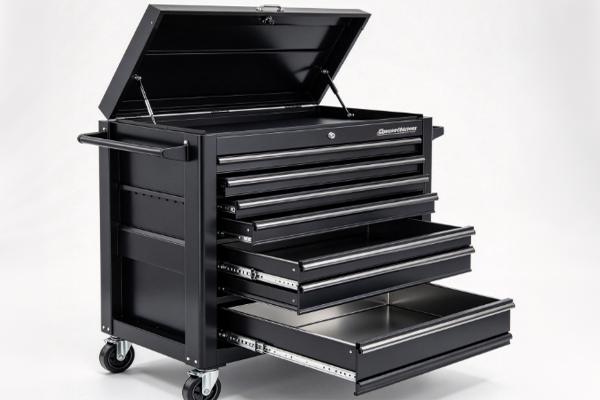
What Type of Large Toolbox Is Best for Automotive Repair?
Automotive repair involves a wide range of tools, and different jobs require different sizes and types. Oil changes, engine repairs, suspension work, and brake service all call for different equipment. A large automotive toolbox should provide enough interior space while keeping frequently used tools, small parts, and heavier equipment properly organized.
- Make sure the drawers are deep enough. Sockets, wrenches, and pliers come in many sizes. If the drawers are too shallow, larger tools can take up too much room and become difficult to remove.
- Leave some extra storage space. A toolbox that seems full enough today may become crowded after adding a few socket sets or specialty wrenches. A little extra room can make a big difference over time.
- Check the load capacity. A full set of metal sockets, ratchets, large wrenches, and other automotive tools can become surprisingly heavy. The body, drawers, and bottom structure should be able to handle regular use.
- Make sure it is easy to move. Automotive repair shops often require technicians to move between workstations. A large toolbox with casters can be pushed directly to the next vehicle instead of being lifted and carried.
When choosing a toolbox for automotive repair, capacity is not the only thing that matters. Interior layout, drawer operation, heavy-tool storage, and mobility all affect everyday use. These small details often determine whether a toolbox is genuinely convenient after months of regular work.
Why Is a Large Toolbox With Drawers Good for Automotive Repair?
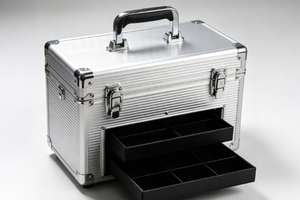
Tools are used constantly in an automotive repair shop. A single repair job may require several different tools in quick succession. When everything is thrown into one large compartment, finding the right socket can take longer than expected. A large toolbox with drawers makes it easier to organize tools by type, size, and frequency of use, so technicians can open the right drawer and get what they need.
- Keep frequently used wrenches in the upper drawers, making them easy to reach without bending down or searching through the box.
- Organize sockets by size, so different specifications are easy to identify when working under time pressure.
- Store screwdrivers and pliers separately. These tools are often used throughout the day, so keeping them in fixed locations makes them quicker to find and return.
- Keep small screws and repair parts in dedicated storage, rather than letting them get buried underneath heavier metal tools.
For automotive technicians who use a large number of tools every day, drawers are not simply extra storage. They give every tool a fixed place. Once that storage habit is established, technicians can spend less time searching through the toolbox and more time working on the vehicle.
Should You Choose a Metal or Plastic Toolbox for Automotive Repair?
Automotive repair tools are generally quite heavy, especially socket sets, large wrenches, and other metal equipment. Once all of these tools are stored together, the total weight can increase quickly. Large metal toolboxes are often well suited to fixed workshops and frequent heavy-duty use because strength, load capacity, and hardware durability are important. Plastic toolboxes are generally lighter and easier to carry, making them useful for technicians who need to move their tools frequently. However, if a plastic toolbox will regularly carry a large collection of heavy tools, its actual load capacity should be checked carefully.
The material is not the only thing worth checking. Drawer slides, latches, handles, and casters also deserve attention. An automotive toolbox may be opened, moved, loaded, and unloaded many times a day, so these components can have a major impact on long-term usability. For auto repair shops, professional garages, and vehicle maintenance areas, it is worth looking at the overall construction rather than comparing only metal versus plastic.
How to Choose a Practical Large Toolbox for Automotive Repair?
Before buying a toolbox, take a look at the tools used most often and then work out how much drawer and storage space is actually needed. Different automotive technicians can have very different tool collections. Some mainly handle routine maintenance, while others specialize in engine work, suspension systems, or diagnostics. A large toolbox that works well for one technician may not fit another person’s daily workflow.
- Automotive maintenance technicians
Their commonly used tools are often concentrated in a few categories, so drawer organization, socket storage, and space for small parts are useful for routine jobs such as oil changes and brake maintenance.
- Engine repair technicians
They usually work with a wider range of tool sizes and may need to store larger specialty tools. More storage capacity and multiple drawers can make long-term organization easier.
- Suspension and chassis technicians
Large wrenches and sockets are frequently used, so drawer height and toolbox depth should not be too restrictive. Otherwise, larger tools can become difficult to store together.
- Technicians who move tools frequently
Moving between workstations is common in busy repair shops. Smooth casters, a sturdy handle, and easy movement when fully loaded are all worth checking before buying.
- Workshops with a large tool collection
When one technician needs to manage a substantial number of tools, a larger multi-drawer toolbox can separate different tool categories and leave room for future additions.
The most useful automotive toolbox is the one that matches the way the tools are actually used every day. More tools require more storage capacity. Heavier tools require stronger construction and load support. Frequent movement makes casters and handles more important. Once these practical needs are clear, it becomes much easier to choose the right toolbox size, material, and storage layout instead of simply looking for the biggest model available.
So, what large toolbox is best for automotive repair? For technicians who work with a large collection of tools every day, storage capacity, drawer design, load capacity, and mobility are all worth considering. A practical automotive repair toolbox should give wrenches, sockets, screwdrivers, and small parts their own places while remaining easy to move when fully loaded. Whether it is used in an auto repair shop, professional garage, or vehicle maintenance workspace, the right large toolbox can make finding, using, and putting away tools much easier while keeping the work area more organized.