When you first start learning makeup, one of the first problems you may run into is finding a good place to store everything. Foundation, concealer, eyeshadow, blush, lipstick, and makeup brushes may only take up a little space at first, but the collection can grow surprisingly quickly. A makeup box that is too small becomes cramped, while an oversized box can take up unnecessary space. Beginners do not need to start with a large professional makeup box. It is more practical to consider how many cosmetics you have, where you usually do your makeup, and whether you need to carry the box outside before choosing the right size and storage design.
What Size Makeup Box Is Best for Beginners?
Size is one of the easiest things to get wrong when buying a makeup box. A box that is too small may not have enough room for eyeshadow palettes and brushes, while a box that is too large can be inconvenient when you only have a few products. For most beginners, a small or medium-sized makeup box is a good place to start, with the option to move to a larger box as the collection grows.
- Basic everyday makeup: A makeup box around 30 × 20 × 20 cm can be enough.
- A larger makeup collection: Consider a box around 35 × 25 × 25 cm.
- Planning to learn complete makeup looks: A multi-layer or larger-capacity makeup box may be more useful.
- Frequently practicing outside the home: Avoid oversized boxes and prioritize easy carrying.
If you currently have foundation, loose powder, blush, eyeshadow, a few lipsticks, and several brushes, a box around 30 × 20 × 20 cm will usually be sufficient. As you add different foundation shades, more eyeshadow palettes, and additional brushes, you can move to a larger box. This keeps you from buying too much storage space at the beginning while still leaving some room for future additions.
How Should Beginners Organize Cosmetics in a Makeup Box?
You can usually tell whether a makeup box is practical as soon as you open it. If everything is thrown into one large compartment, the box may look spacious, but finding one lipstick can turn into a frustrating search. Beginners are still developing their own storage habits, so a simple and clear internal layout can make everyday makeup much easier.
- Keep base makeup together: Store foundation, cushion foundation, concealer, and loose powder in one area.
- Separate eye makeup: Keep eyeshadow, eyeliner, and mascara somewhere easy to reach.
- Store brushes separately: Makeup brushes should ideally have their own space rather than being mixed with powders and lip products.
- Create a small-item section: Makeup sponges, eyelash curlers, eyebrow pencils, and similar items can go into smaller compartments.
Adjustable dividers are especially useful. When you only have a few products, you can leave more space between sections. As your collection grows, you can move the dividers and create a better layout. For beginners, the ability to change the internal storage space can be much more useful than simply buying the largest makeup box available.
What Material Is Best for a Beginner Makeup Box?
There is no need to overcomplicate the material choice. Think about where and how you will use the box. If it mainly stays in a bedroom, bathroom, or on a dressing table, a lightweight makeup box can be perfectly adequate. If you plan to take it to makeup classes, studios, or different locations, the durability and carrying weight become more important.
- ABS makeup boxes: Lightweight and convenient for everyday use.
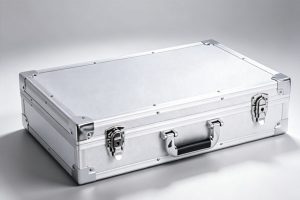
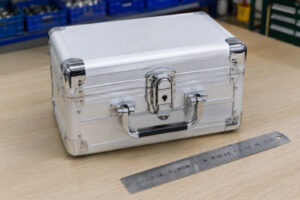
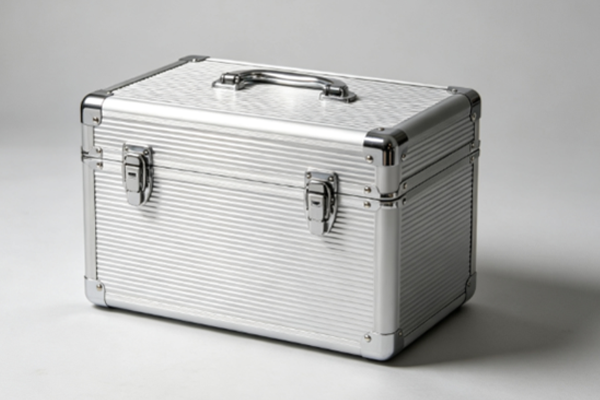
- Aluminum makeup boxes: More solid and suitable for people who frequently carry cosmetics outside.
- Metal makeup boxes: Suitable for larger collections of cosmetics and tools where a more stable box structure is preferred.
Beginners do not need to immediately buy the type of large makeup box used by professional makeup artists. If you are currently learning basic makeup techniques, a lightweight box should be enough. Once you start learning bridal makeup, stage makeup, or professional makeup, you can move to a larger box with more storage space and compartments.
What Should Beginners Check Before Buying a Makeup Box?
Many people focus only on appearance and capacity when choosing a makeup box, but the small details often become more noticeable after regular use. A zipper that is difficult to open, an uncomfortable handle, shallow compartments, or a lack of dedicated brush storage can make daily makeup routines frustrating. Before buying, check whether the box opens smoothly, whether the compartments are deep enough for your eyeshadow palettes and brushes, and whether there is enough space for taller products such as foundation bottles and loose powder containers. If you plan to learn bridal makeup or professional makeup in the future, or expect to carry a large number of products, choosing a box with multiple layers and adjustable dividers can give you more room to grow without needing to replace the box too soon.
For someone just starting to learn makeup, there is no need to buy an overly complicated or extremely large makeup box. If you only have a small collection, a box around 30 × 20 × 20 cm is usually a practical starting point. If you already have more products, a box around 35 × 25 × 25 cm can provide extra room. For home use, storage capacity and organization may matter more, while frequent travel makes weight, handle comfort, and overall box stability more important. The best makeup box for a beginner is one that fits your current collection while leaving enough space for the products you are likely to add later.