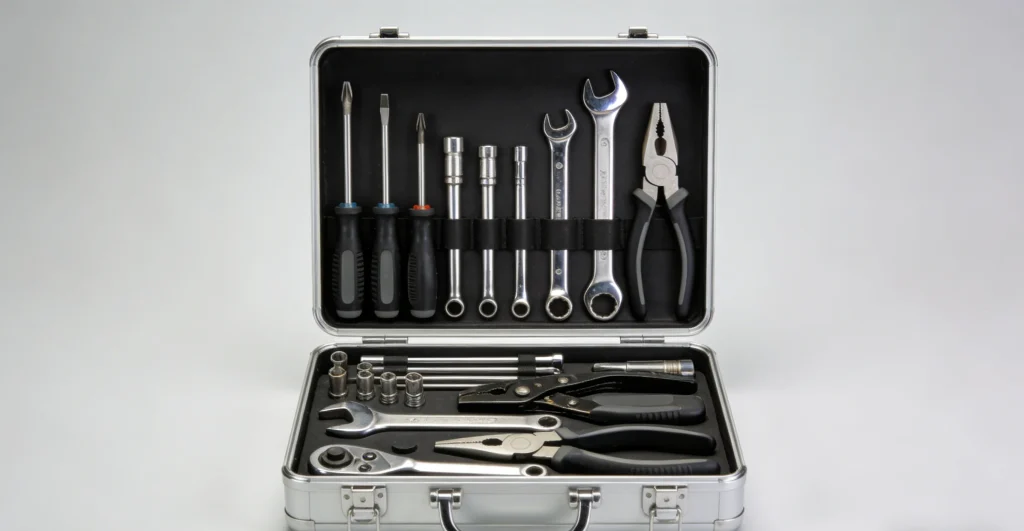
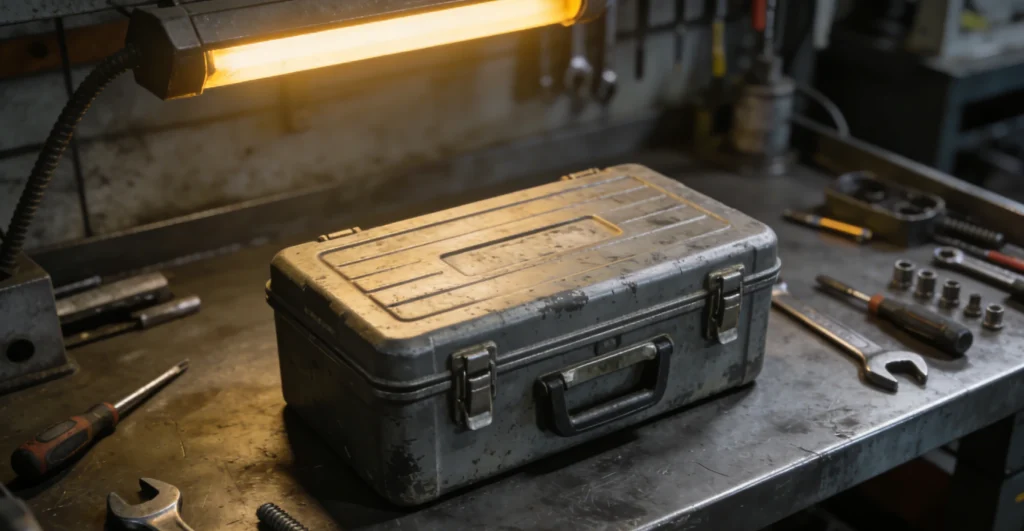
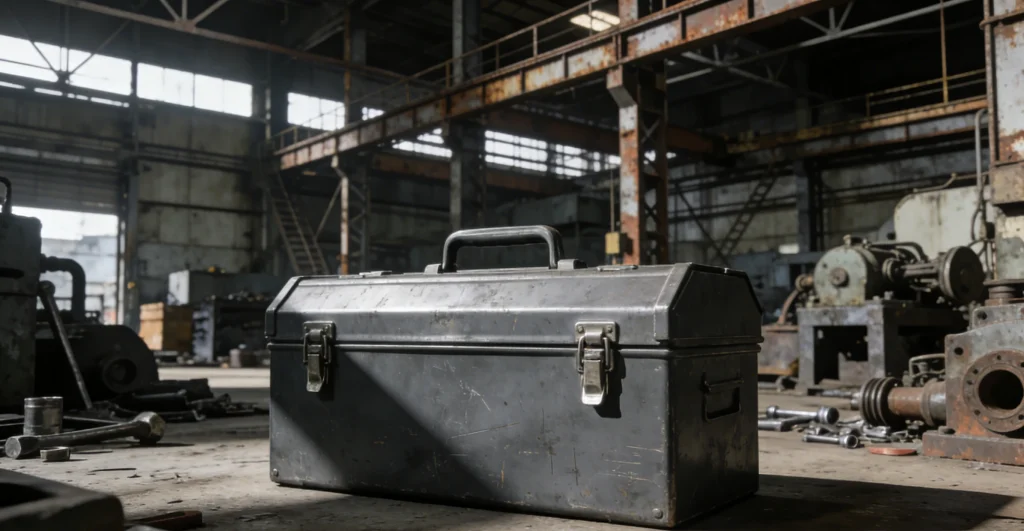
The material used for a mini toolbox directly affects its weight, strength, durability, appearance, and suitability for different working environments. Common mini toolbox materials include PP, ABS, PC, HDPE, steel, and aluminum. Different materials provide different levels of impact resistance, chemical resistance, load-bearing capacity, and portability. Choosing the right material can make a mini toolbox more convenient for daily repairs while also improving its service life and storage performance.
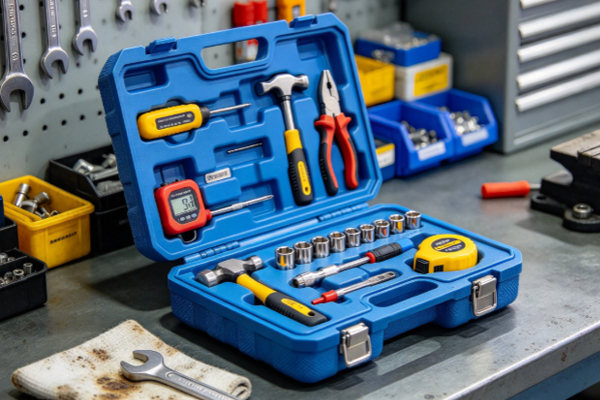
PP Is a Common Lightweight Material for Mini Toolboxes
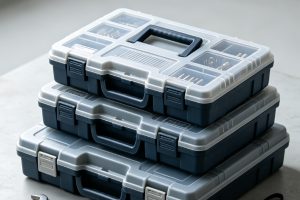
PP, or polypropylene, is widely used for mini toolboxes because of its lightweight structure, good molding performance, and practical durability. A PP mini toolbox is easy to carry and suitable for users who frequently move between different locations. The material also offers good resistance to moisture and many common chemicals, making it suitable for household maintenance, DIY work, simple equipment repairs, and mobile tool storage. PP can be molded into compact cases with reinforced corners, handles, lids, and internal compartments, allowing manufacturers to create practical storage structures without adding excessive weight. For users who need a toolbox that can be carried frequently, PP provides a convenient combination of portability and basic protection.
ABS Provides Good Structural Stability
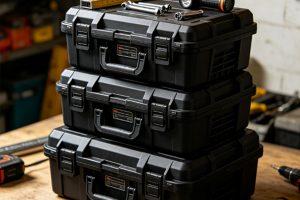
ABS is another widely used material for mini toolboxes. It combines rigidity, impact resistance, and good processing performance, allowing the toolbox body to maintain a stable shape during regular use. ABS mini toolboxes can be designed with reinforced edges, ribs, secure latches, and molded internal compartments to improve overall structural strength. This material is suitable for home maintenance, electronic equipment repair, DIY projects, and light mechanical work where the toolbox needs to withstand frequent handling. Compared with softer plastic materials, ABS can provide a more rigid outer shell and better protection for the tools stored inside. Its balanced performance makes it a practical choice when both appearance and structural stability are important.
PC and HDPE Are Suitable for Specific Requirements
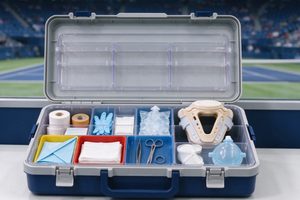
PC, or polycarbonate, is known for its high impact resistance and strong transparency, making it suitable for mini toolboxes that require enhanced impact protection or a more specialized appearance. Some designs can use transparent or semi-transparent PC components to make it easier to identify stored tools without opening the case. HDPE, or high-density polyethylene, provides good toughness, moisture resistance, and chemical resistance. It can be useful in environments where the toolbox may come into contact with water, oils, or certain chemicals. The choice between PC, HDPE, PP, and ABS depends on the expected working environment, frequency of use, required durability, and desired toolbox structure. Selecting a material based on actual usage conditions can help avoid unnecessary weight or cost.
Metal Materials Are Suitable for Higher Load Requirements
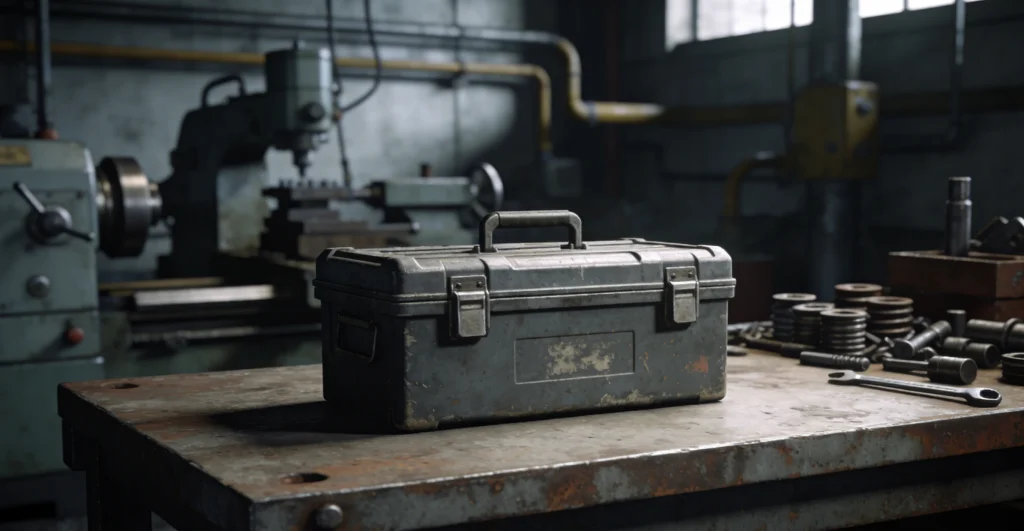
Metal mini toolboxes are generally selected when greater rigidity, load-bearing capacity, and impact protection are required. Steel provides a strong and rigid structure and is suitable for workshops, maintenance stations, garages, and other environments where tools may be relatively heavy. Aluminum offers a lighter alternative while still providing good structural strength, making it useful for users who need a metal toolbox that can be transported regularly. Metal cases can also be equipped with reinforced corners, metal hinges, locks, and protective coatings to improve durability. However, compared with plastic toolboxes, metal models are generally heavier and may require more attention to surface protection and maintenance. The final choice should depend on tool weight, transportation frequency, working environment, and storage requirements.
How to Choose the Right Material for a Mini Toolbox
The best material depends on the type of tools being stored and the environment where the mini toolbox will be used. Before purchasing a product, users can consider the following conditions:
- Home maintenance: PP or ABS is suitable for screwdrivers, pliers, wrenches, measuring tools, and other common household repair tools. Lightweight construction makes daily carrying and storage easier.
- Electronic and precision repair: ABS or PC can provide a stable outer structure and better protection for small tools and accessories used for electronic equipment maintenance.
- DIY and crafts: PP and ABS are convenient for storing hand tools, cutting tools, measuring equipment, and small accessories used for creative projects.
- Workshop maintenance: Steel or aluminum can be considered when the toolbox needs to carry heavier tools or withstand more frequent impacts.
- Outdoor use: Lightweight PP, ABS, or aluminum can reduce carrying pressure while providing suitable protection for tools used during camping, cycling, vehicle maintenance, or outdoor repair.
- Special working environments: When exposure to moisture, oils, chemicals, or frequent impacts is expected, material resistance should be considered together with the toolbox’s sealing structure and surface treatment.
Material selection is only one part of choosing a suitable mini toolbox. Users should also pay attention to wall thickness, corner reinforcement, handle strength, latch quality, internal layout, and load capacity. A well-matched material combined with a practical structural design can improve tool protection, carrying convenience, and long-term storage performance.