
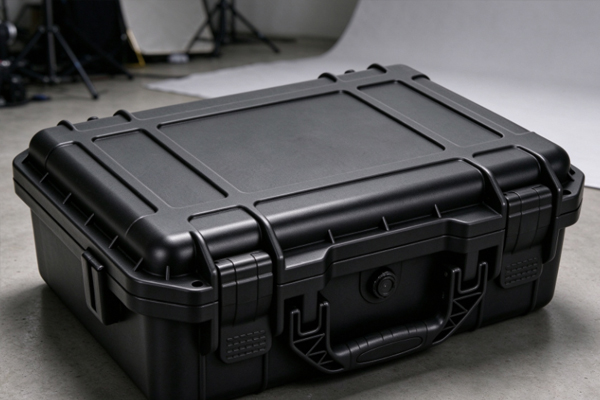
Measuring instruments are often transported between different work areas for production inspection, equipment maintenance, engineering measurement, and laboratory calibration. Calipers, micrometers, measuring gauges, electronic testing equipment, and high-precision measuring instruments have strict requirements for storage conditions and transportation stability. Conventional storage methods can easily lead to collisions, compression, mixed accessories, and moisture exposure. To address these needs, a portable protection solution should be planned around instrument types, internal layouts, cushioning methods, and environmental management, keeping equipment stable during transportation while allowing personnel to access instruments quickly.
Plan the Protection Structure According to Instrument Types
Different measuring instruments vary in size, weight, accuracy, and structure. Protective cases should not simply use a uniform internal layout but should be designed according to the characteristics of each instrument.
Use Independent Fixing Structures for Precision Instruments
High-precision measuring equipment is more sensitive to impact, vibration, and temperature changes, so the internal structure should minimize instrument movement. Precision tools such as micrometers can use dedicated slots designed according to their contours to prevent direct contact and protect measuring surfaces and adjustment mechanisms. ESD-sensitive equipment can use anti-static liners or packaging materials. Gauge blocks and high-precision reference standards should be stored according to their accuracy grades, materials, and applicable handling requirements, using dedicated containers, positioning structures, and clean handling practices to reduce the effects of impact, contamination, and temperature changes on measurement performance.
Use Layered Layouts for Instruments of Different Sizes
When multiple types of measuring equipment need to be stored, making efficient use of the case interior can reduce empty spaces while preventing different instruments from pressing against each other.
- Store Large Equipment Separately: Larger testing equipment needs sufficient dedicated space, with cushioning liners and fixing structures used to reduce movement during transportation.
- Prioritize Frequently Used Instruments: Measuring tools used frequently can be placed in upper compartments or quick-access areas to reduce repeated searching.
- Store Accessories Separately: Data cables, probes, adapters, and auxiliary tools can be placed in dedicated compartments to reduce missing or tangled accessories.
A well-planned internal layout can maintain a good balance between equipment protection and on-site operation.
Reduce Transportation Risks Through Cushioning and Environmental Protection
During transportation, measuring equipment may be exposed to drops, impacts, vibration, and moisture. The protection structure needs to address both mechanical impact and changes in the external environment.
Use EVA Liners to Improve Instrument Fixation and Cushioning
Cushioning materials such as EVA can be custom processed according to the instrument’s external shape, creating a close-fitting storage structure through precision-cut slots. For heavier equipment or instruments with higher impact protection requirements, the cushioning thickness, material hardness, support points, and case structure should also be considered as a whole.
- Contoured Slots: Dedicated slots can be produced according to instrument dimensions to keep equipment securely positioned and reduce movement during transportation.
- Layered Cushioning: Cushioning layers can be configured according to instrument weight, center of gravity, and vulnerable areas to reduce impact transmission during drops or collisions.
- Structural Clearance: Space should be reserved around charging ports, data interfaces, displays, and control buttons to prevent the liner from directly pressing against the equipment.
A well-designed cushioning structure can reduce the direct transmission of external impacts to the instrument body.
Configure Temperature, Humidity, and ESD Protection Separately
Environmental protection for measuring instruments should not focus only on waterproofing and dust resistance. Different types of equipment require different protection methods. Metal measuring tools need to be protected from excessive moisture, with desiccants, humidity management, and sealing structures used as appropriate to reduce corrosion risks. Sealed protective cases can be equipped with pressure equalization devices to relieve changes in internal and external air pressure during transportation. For ESD-sensitive electronic measuring equipment, low-charging, static-dissipative, or shielding materials can be used as appropriate to reduce the risk of electrostatic discharge.
Configure Portable Protection Solutions According to Application Scenarios
Measuring instruments may be used in fixed inspection areas or transported by personnel to different work locations. The protective case should be designed according to the actual working method.
| Application Scenario | Main Instruments | Protection Priorities | Recommended Structure |
| Workshop Inspection | Calipers, micrometers, measuring gauges | Impact, dust, and corrosion protection | EVA liners, dedicated slots, moisture management |
| Equipment Maintenance | Electronic testers, testing equipment | Vibration, interface, and ESD protection | Fixed modules, cushioning liners, ESD protective materials |
| Engineering Sites | Portable measuring instruments, inspection tools | Dust, moisture, and portability | Sealed case, cushioning structure, handle or shoulder strap |
| Laboratory Inspection | Precision measuring equipment, calibration tools | Stable fixation, temperature and humidity management | Custom liners, divided storage, environmental management |
| Field Calibration | Instruments, probes, and accessories | Transportation protection, accessory integrity | Modular compartments, dedicated slots, cushioning structure |
Actual configurations can be adjusted according to instrument dimensions, precision requirements, transportation frequency, and working environment, ensuring that the internal structure matches specific tasks.
Prioritize Portability and Protection for Engineering Sites
On-site inspections often require personnel to carry instruments between different areas, making case weight and carrying methods important factors in practical use.
- Handle Design: Suitable for short-distance carrying, allowing personnel to quickly relocate measuring equipment.
- Shoulder Strap Structure: Suitable for engineering inspection scenarios requiring longer-distance walking, reducing the burden of continuously carrying the case with one hand.
- Modular Compartments: Instruments, probes, and accessories can be stored separately, making on-site access clearer while reducing the risk of misplaced accessories.
Combining portability with internal protection can better meet the needs of mobile inspection work.
Prioritize Organization and Metrology Management in Fixed Inspection Environments
Laboratories and workshop inspection areas have relatively low mobility requirements and place greater emphasis on long-term instrument organization, environmental stability, and metrology status management.
- Fixed-Position Management: Each instrument can have a dedicated storage location for easier inventory checks and daily organization.
- Independent Management of High-Precision Standards: High-precision measuring standards such as gauge blocks should use dedicated storage methods appropriate to their accuracy and material characteristics, reducing contamination, impact, and unnecessary temperature changes.
- Centralized Accessory Storage: Probes, cables, calibration tools, and other accessories can be stored separately to prevent mixing.
Clear zoning can make instrument management in fixed work environments more organized.
Establish a Long-Term Instrument Protection and Management System
Portable protective cases are not only transportation tools but can also become part of daily measuring equipment management. Proper internal planning and maintenance practices help maintain equipment stability.
Use Customized Structures for Different Instrument Combinations
Businesses often use multiple types of measuring equipment rather than a single model, making customization an important feature of protective cases.
- Cut Slots According to Instrument Dimensions: Dedicated spaces can be created for different instruments to improve the utilization of the case interior.
- Arrange the Layout According to Workflow: Frequently used equipment and accessories can be positioned in easily accessible locations to reduce on-site organization time.
- Select Materials According to Equipment Characteristics: Mechanical measuring tools, electronic measuring equipment, and high-precision reference standards can use different liners and fixing methods instead of applying one structure to all instruments.
Flexible internal design can adapt to different equipment combinations and working processes.
Maintain Stability During Transportation and Storage
Long-term management of precision instruments also requires attention to handling methods, temperature and humidity, and the condition of protective components.
- Reduce Internal Movement: Close-fitting liners and dedicated fixing slots can minimize equipment movement, while appropriate cushioning structures should be designed according to equipment weight.
- Minimize Temperature Effects: For high-precision dimensional measuring equipment, attention should be paid to the effects of environmental temperature changes on dimensions and measurement results, with temperature stabilization and operating practices managed according to applicable metrology requirements.
- Regularly Inspect the Protective Structure: After long-term use, inspect liners, latches, fixing components, and moisture-control conditions, and perform maintenance when wear or abnormalities are identified.
Regular inspection of the protection structure helps identify issues that may affect equipment storage conditions.
A portable protection solution for measuring instruments should create a suitable relationship between the equipment, accessories, and protective case. Instruments with different sizes and accuracy levels can be equipped with dedicated slots, layered liners, independent accessory compartments, and environmental protection structures, while the case configuration can be adjusted according to on-site transportation requirements. SIPHIA BOX can plan internal structures according to actual equipment combinations and working processes, helping customers develop professional storage solutions suitable for routine inspection, engineering transportation, equipment calibration, and long-term storage.