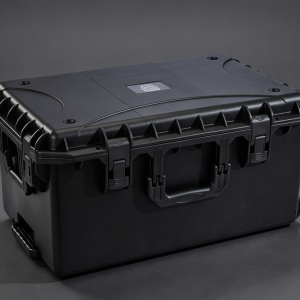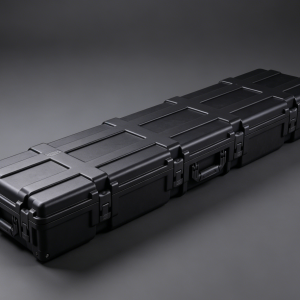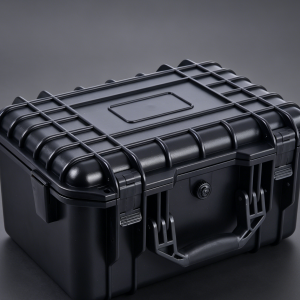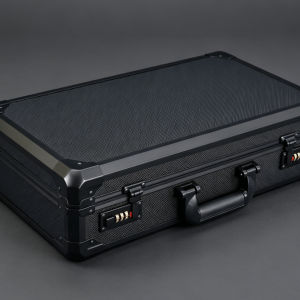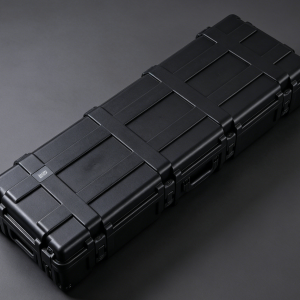
Portable plastic toolboxes are practical storage products designed for repair, installation, inspection, and everyday tool organization. Compared with fixed tool cabinets, they place greater emphasis on portability, efficient space utilization, and convenient field operation. They allow workers to keep commonly used tools together and transport them easily to different locations. PP, ABS, and HDPE are commonly used plastic materials because they offer relatively low weight, flexible molding characteristics, and good resistance to moisture. Portable plastic toolboxes can be produced in different sizes and capacities and equipped with features such as carrying handles, removable trays, separate compartments, adjustable dividers, latches, wheels, and telescopic handles.
Automotive repair, electrical installation, mechanical equipment maintenance, outdoor construction, household DIY, and industrial inspection all involve situations where tools need to be moved frequently. As a result, the function of a portable plastic toolbox goes beyond simply storing tools. It can also support organized storage, quick access, transportation protection, and workplace management. Selecting the appropriate capacity and internal configuration can reduce the inconvenience of carrying multiple separate containers and provide workers with a complete tool storage solution at different job sites.
Lightweight Design Makes Tool Transportation Easier
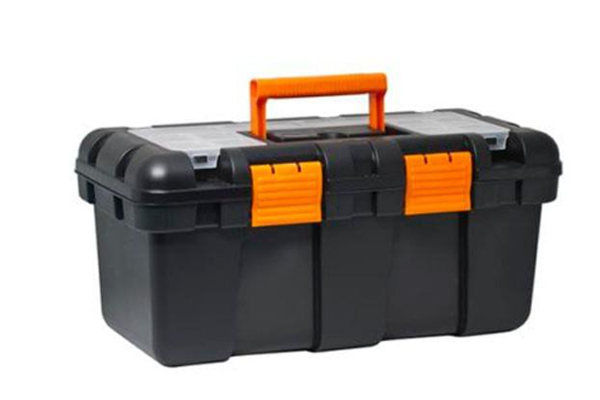
One of the most practical functions of a portable toolbox is reducing the physical effort required to move tools. Plastic materials generally have a relatively low density, so a properly designed toolbox can control its own weight while providing sufficient structural strength. This allows users to carry screwdrivers, wrenches, pliers, and other maintenance tools more conveniently after loading them into the box.
Top-mounted handles are commonly designed according to natural hand positions. Wide handles can distribute the load more effectively, while textured or non-slip surfaces can help reduce hand movement during carrying. Small toolboxes are suitable for household repairs and everyday maintenance. Medium-sized models can accommodate commonly used tools for professional technicians, while larger products can incorporate wheels and telescopic handles to reduce physical effort when moving the toolbox over longer distances.
For workers who frequently travel between workshops, warehouses, equipment rooms, and construction sites, a lightweight structure can improve transportation efficiency. However, lower weight should not be the only consideration. The toolbox also needs adequate body strength and load-bearing capacity, so manufacturers need to balance material usage, structural rigidity, and carrying comfort during product design.
Tool Organization and Quick-Access Functions
Portable plastic toolboxes commonly use internal trays, dividers, tool slots, and small compartment boxes to improve tool organization. Compared with ordinary open storage boxes, these structures can reduce tool mixing and make it easier for workers to find specific items after opening the lid.
Frequently used tools such as screwdrivers, wrenches, and pliers can be placed in upper trays or dedicated tool slots. Heavier or larger tools can be stored in the bottom compartment. Small components such as screws, nuts, washers, and electrical terminals can be kept in separate compartments to prevent different specifications from becoming mixed.
Some toolboxes use transparent storage boxes, allowing users to identify small components without opening every compartment. Adjustable dividers can also be repositioned according to tool dimensions, allowing the same toolbox to accommodate different combinations of equipment. When workers maintain fixed storage positions for their tools, they can develop a consistent retrieval routine and spend less time searching for equipment during field maintenance.
For corporate maintenance teams, standardized internal layouts can also make tool inspection and return procedures easier, reducing the possibility of missing tools.
Tool Transportation and Everyday Protection
Portable plastic toolboxes need to move with workers frequently, so the body must not only provide storage capacity but also help reduce the effects of impacts, dust, and moisture during transportation. A stable body structure can provide basic external protection for stored tools. Reinforcing ribs can improve body rigidity, while rounded corners can help distribute stress when the toolbox experiences minor impacts.
Lids equipped with reliable latches can remain securely closed during transportation, reducing the risk of tools falling out. For outdoor or humid environments, models with sealing gaskets can help reduce the possibility of rainwater and moisture entering the storage area. Precision tools and measuring instruments can be secured using foam inserts or positioning slots to reduce movement during transportation.
Common transportation protection features include:
- Latch Fixing: Keeps the lid securely closed and reduces the risk of accidental opening during carrying.
- Reinforcing Ribs: Reinforced structures on the bottom and sides can improve overall stability and support heavier tool loads.
- Rounded Body Design: Reduces sharp corners and provides a more practical shape for transportation and field work.
- Sealing Structure: A gasket between the lid and body can help reduce the entry of dust and moisture.
- Foam Inserts: Provide cushioning and positioning for precision instruments and help reduce vibration during transportation.
These features can be combined according to the intended application, allowing the toolbox to provide storage, transportation, and basic protection at the same time.
Mobility Functions for Different Working Environments
Portable plastic toolboxes can be equipped with different transportation features according to the working environment. Household users usually only need a top handle for convenient carrying. The toolbox can be stored in a garage, storage room, or near a home workbench.
Automotive technicians frequently move tools between vehicles and repair areas and may benefit from models with wide handles or shoulder strap attachment points. Electrical and communication maintenance workers may need to carry multimeters, wire-stripping tools, connectors, and small accessories, making medium-sized toolboxes with organized internal storage practical choices.
Construction and industrial maintenance workers often require larger tool collections. Large-capacity toolboxes can incorporate wheels and telescopic handles, allowing users to pull rather than carry the box across suitable surfaces. Outdoor equipment maintenance also requires attention to weather resistance, enclosure performance, and transportation stability.
Agricultural machinery technicians may need to carry wrenches, sockets, and various repair accessories. Models with large bottom compartments can provide useful storage capacity for field maintenance. Portable toolboxes are also suitable for warehouse inspections, garden equipment maintenance, installation and commissioning work, and household DIY projects.
Different environments require different storage capacities, transportation distances, and mobility configurations. Selecting an appropriate mobility system can make tool transportation more convenient and efficient.
What Functions Should Be Considered When Choosing a Portable Plastic Toolbox?
When purchasing a portable plastic toolbox, buyers should consider the number of tools, individual tool weight, transportation distance, and working environment. Household users can choose compact models with lower weight and basic trays. Professional maintenance technicians can select multi-tray and large-capacity configurations according to their tool collections. Workers transporting measuring instruments should pay attention to foam inserts, positioning slots, and independent compartments. Outdoor workers can consider products with stronger sealing structures and should also check the latches, handles, and reinforced body design.
Important features include:
- Handle Comfort: The handle should be securely connected to the body and designed for comfortable carrying.
- Internal Capacity: Choose a size based on the actual tool collection. Insufficient space can cause tools to become crowded, while excessive capacity can create unnecessary weight.
- Trays and Dividers: Useful for organizing different types of tools and improving the utilization of internal storage space.
- Latches and Hinges: Frequently used toolboxes require stable latches and hinges that can withstand repeated opening and closing.
- Bottom Support: For heavy tools, check whether the bottom includes reinforcement and has sufficient load-bearing capacity.
- Wheels and Telescopic Handles: Large-capacity toolboxes can benefit from wheels and telescopic handles for easier movement across flat surfaces.
The practical value of a portable plastic toolbox comes from the coordination of its different structural features. A lightweight body makes carrying easier, an organized interior improves tool access, latches and sealing structures provide basic protection, while wheels, telescopic handles, and ergonomic grips improve mobility. Selecting configurations according to automotive repair, electrical installation, mechanical maintenance, outdoor construction, industrial inspection, or household DIY requirements can make the toolbox more suitable for everyday work.
For toolbox manufacturers and buyers, capacity, material, wall thickness, internal organization, and mobility components all deserve careful consideration. A properly configured portable plastic toolbox can provide an effective combination of storage efficiency, portability, durability, and everyday convenience.