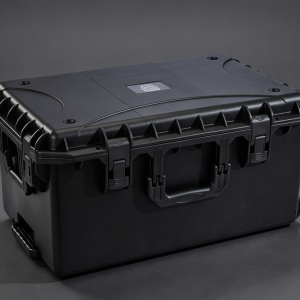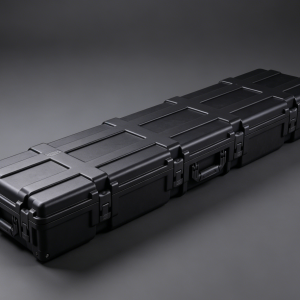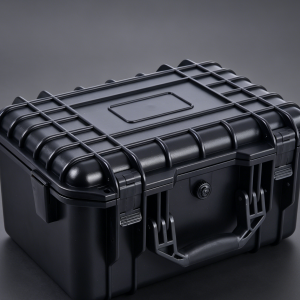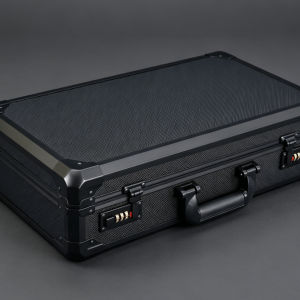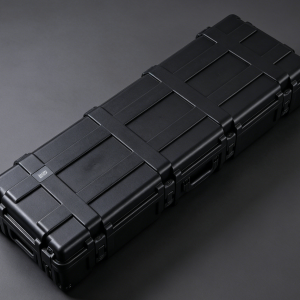
Small plastic toolboxes are portable storage products designed for everyday repairs, equipment installation, and field maintenance. Compared with large toolboxes, small plastic toolboxes take up less space and are generally lighter, making them convenient for carrying screwdrivers, wrenches, pliers, hex keys, measuring tapes, voltage testers, and various small repair accessories.
Plastic materials such as ABS and PP can be processed into toolbox bodies with different capacities and configurations. Internal trays, dividers, tool slots, and positioning sections can improve storage efficiency and keep different tools organized.
Small plastic toolboxes are particularly suitable for repair tasks with a limited number of tools, clear work requirements, and frequent movement between locations. Household repairs, electronic equipment maintenance, furniture installation, bicycle servicing, low-voltage installation, and routine equipment maintenance can all benefit from this type of toolbox.
For technicians who move between rooms, workstations, vehicles, or customer locations, the compact design reduces carrying effort while keeping commonly used tools together. When selecting a product, users should consider tool weight, dimensions, frequency of use, and the working environment to achieve more practical storage.
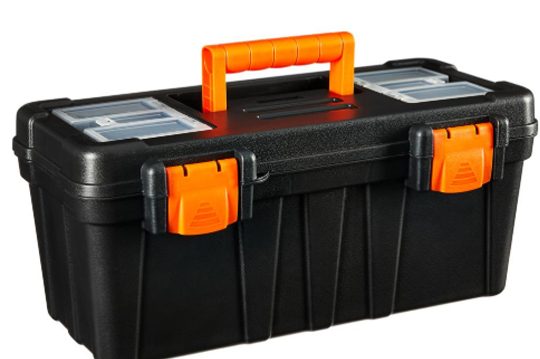
Small Plastic Toolboxes for Household Repairs
Household repair jobs usually do not require large collections of heavy-duty tools. Common tasks include replacing door locks, assembling furniture, repairing plumbing fittings, tightening screws, adjusting hardware, and handling simple appliance maintenance.
A small plastic toolbox can store screwdrivers, adjustable wrenches, pliers, measuring tapes, hex keys, and basic measuring tools in one convenient container. Its moderate capacity makes it easy to place in a storage cabinet, garage, workshop area, or utility room without taking up excessive space.
Home users can also configure the tools according to their typical repair needs. Furniture assembly may require screwdrivers, hex keys, and measuring tapes. Door and window maintenance may require wrenches, pliers, and screwdrivers. Simple appliance repairs may require precision screwdrivers and small testing tools.
A small plastic toolbox with a tray can separate different tools into organized levels. The user can open the lid and quickly identify the required equipment. For household environments, plastic bodies are also relatively easy to clean and lightweight enough for convenient everyday transportation.
Applications in Electronic Equipment and Small Appliance Repair
Repairing smartphones, computers, printers, small appliances, and other electronic equipment often requires precision screwdrivers, tweezers, pry tools, desoldering pumps, wire tools, and compact testing equipment.
These tools are usually small but can easily become mixed together. A small plastic toolbox can provide dedicated compartments and tool slots, allowing different repair tools to remain organized.
Electronic repair technicians often move between repair benches, offices, laboratories, and customer locations, making portable toolboxes particularly useful. A carrying handle allows quick transportation, while models with transparent compartments or separate storage boxes can accommodate screws, connectors, terminals, and other small components.
If a multimeter or similar testing instrument needs to be carried, users can select a slightly larger model with additional internal space. Foam or soft liners can also be used to reduce unnecessary movement inside the toolbox during transportation.
Are Small Plastic Toolboxes Suitable for Equipment Maintenance and Installation?
Small plastic toolboxes are also suitable for auxiliary air-conditioning installation, network equipment maintenance, lighting installation, office equipment servicing, and routine inspection of small machinery.
These jobs typically require a selection of commonly used hand tools rather than a complete large tool collection. Technicians can prepare the necessary equipment according to the day’s work and carry everything in one toolbox instead of placing loose tools in pockets or work bags.
The internal structure can be configured according to the profession. For example, network technicians may carry network cable crimpers, cable testers, screwdrivers, and connectors. Lighting installers may need screwdrivers, wire strippers, voltage testers, and terminals. Office equipment technicians may use precision screwdrivers, tweezers, and compact testing tools.
The compact body can easily be placed inside vehicles, tool cabinets, or on workbenches without occupying excessive space.
For corporate maintenance departments, different small toolboxes can also be assigned to different equipment categories. One toolbox can be used for office equipment maintenance, another for electrical inspections, and another for network installation. Standardized tool configurations allow technicians to begin work quickly and make it easier to check equipment after each job.
Bicycle, Motorcycle, and Small Machinery Repairs
Bicycle, motorcycle, and small machinery maintenance can involve wrenches, sockets, screwdrivers, hex keys, pliers, and measuring tools. Although some mechanical repair tools can be relatively heavy, basic maintenance tasks do not always require a complete large toolbox.
A small plastic toolbox can store frequently used lightweight tools and is particularly useful in home garages, repair shops, and mobile service applications.
For bicycle maintenance, users can organize hex keys, tire levers, screwdrivers, and adjustable wrenches. Motorcycle maintenance may require sockets, wrenches, pliers, and screwdrivers. Small machinery maintenance can also use a compact toolbox configured according to the equipment structure.
The enclosed design can reduce prolonged exposure of tools to the surrounding environment, while the plastic exterior is generally easy to wipe clean.
When carrying heavier metal tools, users should pay close attention to the load-bearing structure and handle strength. For heavier tool combinations, models with reinforced ribs and thicker bodies are more appropriate than selecting a toolbox based solely on external dimensions.
How to Choose a Mini Plastic Toolbox for Repair Work
Different repair tasks have different storage requirements. Home users may prioritize compact dimensions and convenience, while electronics technicians may need more compartments and precision positioning. Mobile repair technicians may place greater importance on the handle, latch, and overall body durability.
Key features to consider include:
- Capacity: Select the toolbox according to the quantity and dimensions of the tools. Avoid excessive stacking while also avoiding unnecessarily large storage space.
- Material: ABS provides good rigidity and dimensional stability, while PP offers good toughness and lightweight characteristics.
- Internal Organization: Trays, dividers, tool slots, and small compartments improve tool classification, particularly for small repair equipment.
- Carrying Design: For frequent transportation, consider handle comfort and overall portability.
- Latch Performance: Reliable latches help keep the lid closed and reduce the possibility of tools becoming scattered during transportation.
- Body Strength: If the toolbox will hold metal wrenches, sockets, or other heavy tools, pay close attention to bottom reinforcement, wall thickness, and handle connections.
- Easy Cleaning: Repair environments can expose toolboxes to dust and oil, so easy-to-clean plastic surfaces can simplify routine maintenance.
Small plastic toolboxes are suitable for repair tasks involving a limited number of tools, clearly defined work requirements, and frequent transportation. Household hardware repairs, electronic equipment maintenance, office equipment servicing, network installation, bicycle maintenance, and certain small machinery repairs can all benefit from compact tool storage.
A well-designed interior with trays, dividers, and tool slots can keep frequently used equipment organized while reducing the inconvenience of carrying multiple loose tools. For long-term use, technicians should select the appropriate material and construction according to tool weight, work frequency, and environmental conditions. With the right configuration, a small plastic toolbox can become a practical and portable storage solution for everyday repair work.