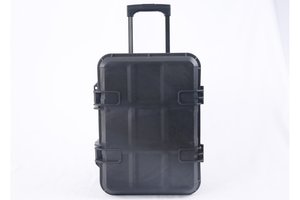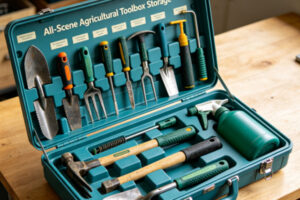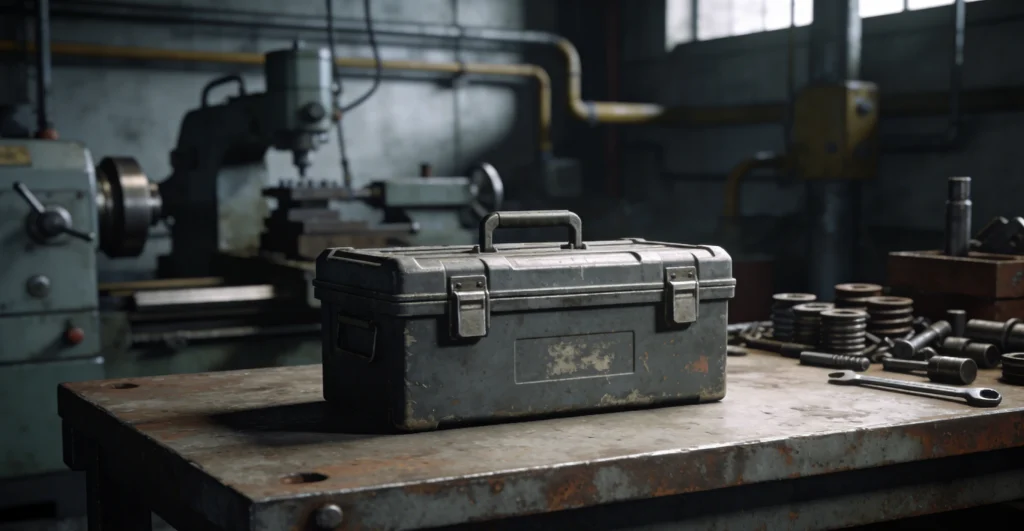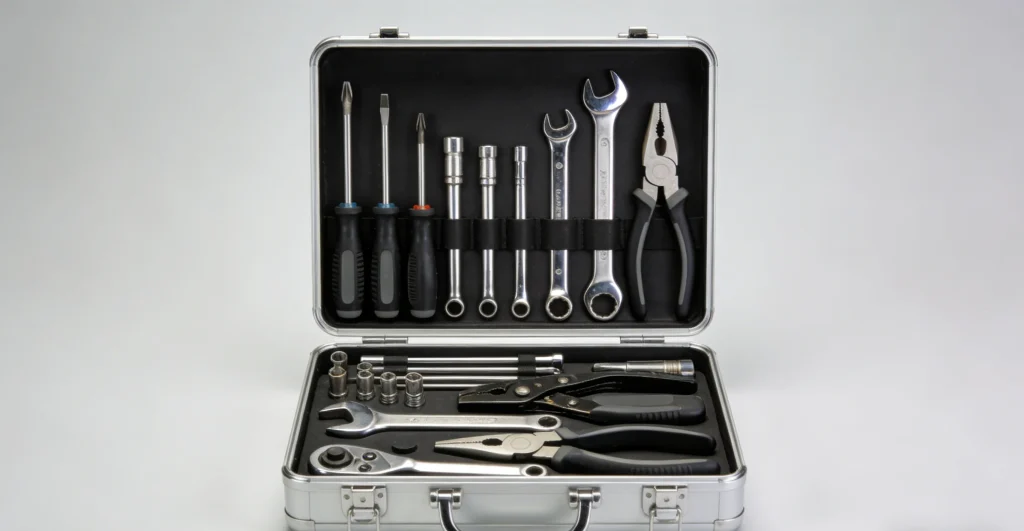
In the fields of repair, manufacturing, and equipment management, the number of tools continues to grow as work requirements expand. Traditional portable toolboxes are suitable for lightweight tasks, but when dealing with a large number of tools, frequent movement, and collaboration across multiple workstations, their usability can be limited. With casters, multi-level storage, and compartmentalized design, rolling toolboxes combine tool storage with on-site operations, reducing the burden of carrying tools and making it easier for workers to quickly organize and access them. Industries such as automotive repair, industrial maintenance, machinery manufacturing, and engineering construction have significant tool management needs, making rolling toolboxes a common choice in professional work environments.
The Automotive Repair Industry Is Well Suited to Rolling Toolboxes
Automotive repair involves multiple areas, including engines, chassis, electrical systems, and vehicle bodies. Different workstations require a large number of tools in various specifications.
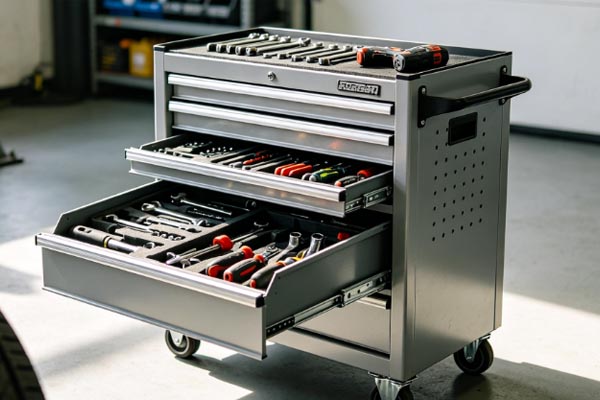
Clearer Classification of Repair Tools
Automotive repair involves a wide variety of tools, and proper compartmentalization can improve access efficiency.
- Separate Compartments for Wrenches and Sockets: Wrenches and sockets of different specifications can be arranged according to size and purpose, making them easy to locate quickly.
- Dedicated Storage for Testing Equipment: Diagnostic instruments, measuring tools, and related accessories can be assigned dedicated spaces to prevent them from being mixed with ordinary tools.
- Centralized Organization of Small Accessories: Parts such as screws, washers, and connectors can be managed using divided compartments, reducing the risk of scattering.
A clear internal layout can make the repair process smoother.
Flexible Movement Alongside Vehicle Workstations
Automotive repair shops usually have multiple workstations. A tool cart can be moved directly to the vehicle, keeping commonly used tools nearby for quick access. As the tools move with the work area, interruptions during repairs can also be reduced. The caster-based structure creates a closer connection between tool management and actual repair procedures.
The Machinery Manufacturing and Industrial Maintenance Industries Place Greater Emphasis on Tool Cart Performance
Machinery manufacturing and industrial maintenance typically require the long-term use of a large number of professional tools, creating high demands for toolbox capacity, load-bearing capability, and durability.
Machinery Manufacturing Workshops Are Suitable for Centralized Tool Management
Manufacturing processes involve different types of tools for measurement, assembly, adjustment, and maintenance.
- Separate Storage for Precision Tools: Measuring equipment such as calipers and micrometers can be stored separately to reduce the risk of collisions.
- Classified Placement of Assembly Tools: Frequently used tools such as wrenches, screwdrivers, and sockets can be arranged according to their frequency of use.
- Separate Management of Specialized Tools: Repair tools designed for specific equipment can be assigned independent storage areas for convenient future maintenance.
Classified management can make the production site more organized.
Industrial Equipment Maintenance Requires Strong Mobility
Industrial equipment is often distributed across a wide area, and maintenance personnel frequently need to carry a large number of tools to different locations. A large-capacity structure can accommodate various repair tools in one place, reducing the need for repeated carrying. A stable toolbox body is suitable for frequent operations, while its sturdy construction can withstand long-term use. Casters reduce the burden of movement, and during large-scale maintenance tasks, pushing the tool cart can reduce the physical effort required for manual carrying. Mobile tool management can improve work efficiency in industrial maintenance environments.
Engineering Construction and Electromechanical Installation Require Flexible Tool Allocation
Construction environments can change quickly, and workers often need to complete installation, adjustment, and repair tasks in different areas. Rolling toolboxes can be moved flexibly according to the construction location.
Electromechanical Installation Is Suitable for Compartmentalized Management
Electromechanical construction requires the simultaneous use of power tools, hand tools, measuring tools, and installation accessories.
- Separate Storage for Power Tools: Drills, charging equipment, and related accessories can be placed in larger compartments.
- Quick Access to Installation Tools: Frequently used tools such as screwdrivers, wrenches, and pliers can be placed in easily accessible areas.
- Centralized Organization of Accessories: Bolts, connectors, and fasteners can be classified according to their specifications.
A well-organized storage method can reduce the time spent searching for tools during construction.
Equipment Installation Is Suitable for Mobile Tool Management
Large-scale equipment installation often involves multiple work locations.
- The Tool Cart Moves Alongside the Work Area: This reduces the need for workers to carry tools repeatedly.
- Multi-Level Storage Facilitates Task Classification: Different storage areas can be used for different construction stages.
Greater Flexibility for Temporary Operations: The tool cart can be quickly repositioned to adapt to changing site conditions.
The Property Maintenance and Equipment Management Industries Are Also Suitable
The application of rolling toolboxes is not limited to large industrial settings. Property management, warehousing, and facility management also involve ongoing maintenance needs.
Property Maintenance Is Suitable for Centralized Management of Commonly Used Tools
Property maintenance personnel typically handle various repair tasks involving plumbing, electrical systems, lighting, doors and windows, and public facilities.
- Unified Storage for Multiple Types of Tools: Different repair tools can be classified according to their functions.
- Fixed Locations Make Returns Easier: Tools can be quickly returned to their original positions after use.
- Pushing the Tool Cart to the Maintenance Area: In large parks, shopping malls, or office buildings, mobile tool carts can reduce carrying distances.
Standardized management can help property maintenance teams improve their daily maintenance efficiency.
Warehousing and Facility Maintenance Are Suitable for Long-Term Use
Warehouses need to regularly maintain shelving, conveyor equipment, and material-handling facilities.
- Tool Classification Facilitates Inventory Checks: Fixed storage areas help workers check tool quantities.
- Supports Shared Use by Multiple People: Unified storage rules make it easier for team members to access and return tools.
- Reduces the Risk of Missing Tools: Clearly defined tool locations help establish good daily management habits.
Proper use of rolling toolboxes can make warehouse and facility maintenance more efficient and organized.
Different industries can select suitable rolling toolboxes according to their work requirements, tool configurations, and site conditions. For teams that need to handle various types of equipment and frequently change work locations, a well-planned storage layout can help workers complete tool preparation and organization more quickly. SIPHIA BOX focuses on professional tool storage solutions and provides structural designs suitable for different work environments, helping businesses establish clearer and easier-to-maintain tool management systems.