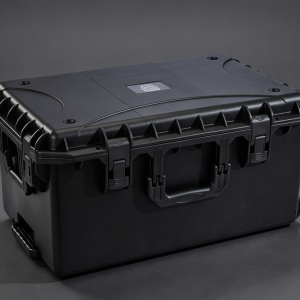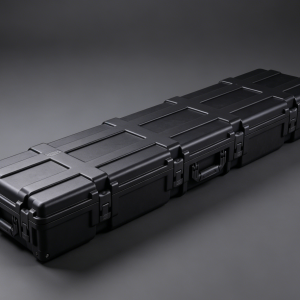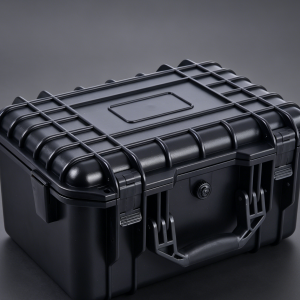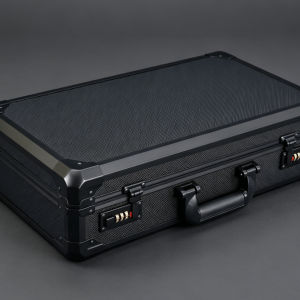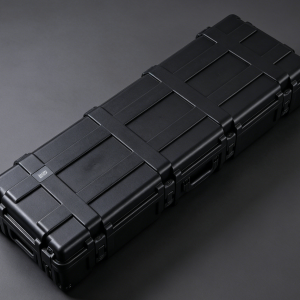
In modern industrial manufacturing, equipment maintenance, automotive repair, and construction projects, tool management efficiency directly impacts work quality and project progress. As the variety and quantity of tools continue to grow, traditional toolboxes are no longer sufficient to meet the demands of professional environments for storage, organization, and mobility. With their large storage capacity, multi-layer organization systems, and flexible mobility, tool chests have become essential tool management solutions across a wide range of industries. Whether in large factories, repair workshops, construction sites, or equipment maintenance facilities, tool chests help workers centralize tool storage, improve accessibility, reduce tool loss and wear, and support more efficient and organized daily operations.
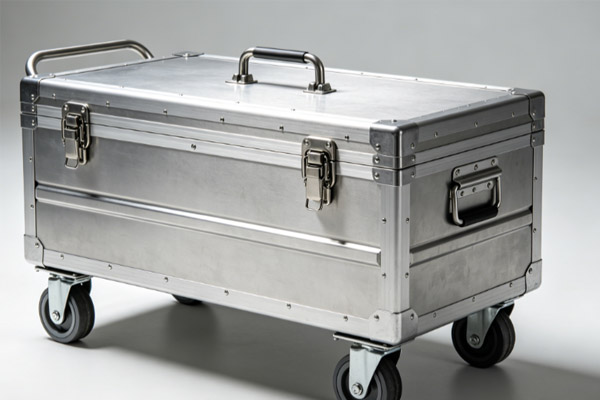
The Expanding Applications of Box-type Tool Chests
As industries place greater emphasis on efficiency and standardized management, tool chests have evolved beyond simple storage units and become an important part of modern tool management systems.
Improving Tool Management Efficiency
Different work environments require effective tool organization, and tool chests provide a more structured solution.
- Clearer Tool Classification:Multi-drawer designs allow different types of tools to be stored separately, reducing clutter and confusion.
- Faster Tool Access:Frequently used tools can be placed in easily accessible locations, minimizing search time.
- Reduced Risk of Tool Loss:Dedicated storage locations help establish standardized management procedures.
A well-organized storage system can significantly improve overall workplace productivity.
Meeting Mobile Work Requirements
Many industries require tools to be transported between different work areas.
- Fewer Transportation Trips:Large-capacity designs allow more tools to be carried at one time.
- Improved On-Site Efficiency:Tools can move together with the work area, reducing time spent retrieving equipment.
A well-designed mobile tool management system helps streamline on-site operations.
Box-type Tool Chests Are Widely Used in the Automotive Repair Industry
Automotive repair is one of the most common applications for tool chests.
High Demand for Workshop Organization
Automotive repair involves a large number of specialized tools, making an efficient storage system essential.
- Organized Socket Storage
Sockets of different sizes can be categorized for faster identification and retrieval.
- Separate Storage for Diagnostic Equipment
Keeping diagnostic instruments separate from repair tools improves safety and organization.
- Quick Access to Frequently Used Tools
High-use tools can be stored in upper drawers for greater convenience and efficiency.
Professional tool management helps automotive workshops maintain smooth and productive operations.
Suitable for Multi-Workstation Environments
Modern automotive repair often requires technicians to work across multiple service areas.
- Convenient Mobility
Box-type tool chests can be easily moved between repair stations.
- Reduced Repetitive Carrying
Technicians no longer need to make frequent trips to centralized tool storage areas.
Enhanced mobility provides significant value in automotive repair environments.
Strong Demand in Industrial Manufacturing and Equipment Maintenance
Industrial environments typically involve a large number of tools and complex equipment, making professional tool management solutions essential.
Factory Equipment Maintenance
Maintenance personnel often need to carry a wide range of tools for daily operations.
- Organized Maintenance Tool Storage:Tools for different equipment types can be stored separately.
- Faster Troubleshooting:Quick access to tools helps reduce equipment downtime.
- Convenient Routine Inspections:Frequently used inspection tools can be stored in designated locations.
Efficient tool management contributes to improved equipment reliability and operational stability.
Manufacturing Workshops
Production environments require a high level of organization and standardization.
- Standardized Tool Management:Supports the implementation of consistent operating procedures.
- Cleaner Work Areas:Reduces clutter caused by tools being left in random locations.
Proper organization helps improve productivity and workplace efficiency.
Also Suitable for Construction and Public Service Industries
In addition to industrial and repair sectors, tool chests are widely used in construction and public service applications.
Construction Sites
Construction projects typically involve a large number of tools and equipment, creating high demands for efficient storage and transportation. Box-type tool chests provide centralized storage for construction tools, accessories, and commonly used consumables, allowing workers to quickly locate what they need and reducing delays caused by disorganized equipment. Their mobility also makes it easy to move tools between different work zones, ensuring that equipment remains close to the task at hand. This improves site organization and enhances overall project management efficiency.
Power Utilities and Public Infrastructure Maintenance
Public infrastructure maintenance often requires rapid response times. Tool chests allow emergency repair tools, diagnostic equipment, and commonly used parts to be stored in a centralized and organized manner, enabling maintenance personnel to quickly transport the necessary equipment to the job site. Clear tool categorization reduces time spent searching for tools and improves service efficiency, helping technicians resolve issues more quickly. In addition, durable construction allows tool chests to withstand outdoor environments and demanding working conditions, ensuring long-term reliability. For industries such as power utilities, municipal services, and telecommunications, professional tool management solutions can significantly improve operational efficiency and service quality.
Box-type tool chests not only solve current tool management challenges but also help organizations establish more standardized and efficient management systems. Through systematic organization, centralized storage, and flexible mobility, businesses across various industries can improve productivity, reduce tool wear and loss, and optimize overall workflows. As industrial manufacturing, automotive repair, construction, and public service sectors continue to grow, the importance of professional tool management equipment will only increase. Choosing a tool chest that matches the specific needs of your industry can provide long-term operational benefits, greater efficiency, and more reliable support for daily work.