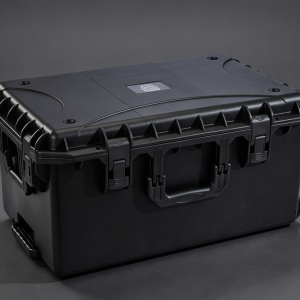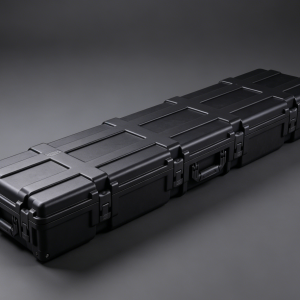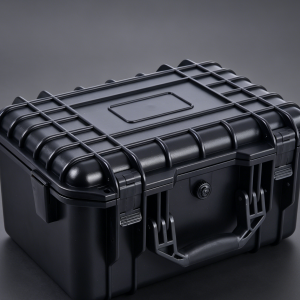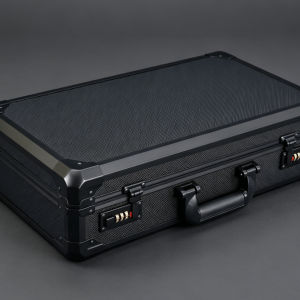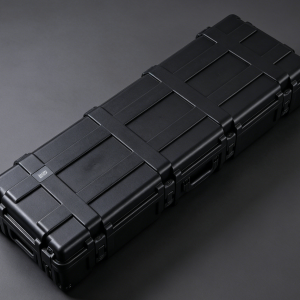
Industrial maintenance toolboxes with a black appearance are commonly seen in factories, equipment maintenance sites, auto repair workshops, and engineering construction areas. Compared with silver, blue, red, and other colors, black toolboxes give a more stable impression and are also better suited to the characteristics of industrial environments. The widespread use of black in industrial maintenance toolboxes is not only intended to make the products look more professional, but is also related to daily working environments, surface cleanliness, the appearance of wear, color processing, and enterprise management. Maintenance personnel come into contact with engine oil, lubricating oil, metal dust, dust, and various industrial contaminants every day, so the surface of a toolbox can easily become stained. If lighter colors are used, oil stains and scratches are usually more noticeable, while black surfaces provide better visual coverage for some dark-colored stains, making daily maintenance appear more convenient.
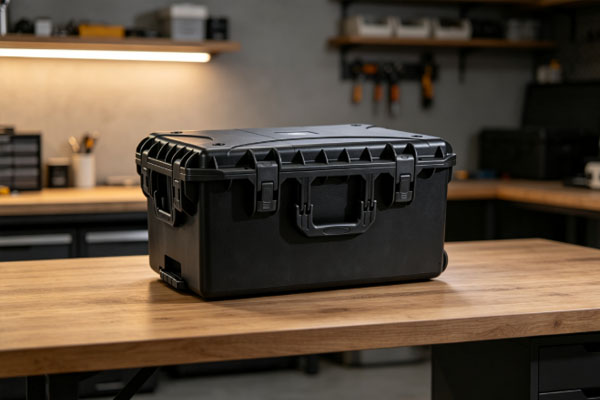
At the same time, black can be applied to aluminum toolbox surfaces through processes such as powder coating, painting, and anodizing, and can produce different effects such as matte, glossy, or fine-textured finishes. Industrial maintenance toolboxes also often need to be carried, stacked, and transported. Black has a relatively durable visual appearance and is less likely to make minor wear from long-term use appear overly noticeable. However, black also tends to absorb solar radiation and heat up more quickly after prolonged exposure to sunlight outdoors, so not every application scenario necessarily requires black. The widespread use of black in industrial maintenance toolboxes is the result of multiple practical requirements being combined over time.
Why Is Black Suitable for Industrial Maintenance Environments?
Dark surfaces can better conceal daily stains
Industrial maintenance work often involves contact with grease, engine oil, lubricants, and metal dust. When a toolbox is placed in a repair workshop or beside equipment, various stains are difficult to avoid. Black surfaces provide good visual coverage for some dark-colored oil stains and dust. After a toolbox has been used for a period of time, even if there are minor stains on the surface, the overall appearance can remain relatively clean, unlike white or light-gray boxes, which tend to show obvious traces of dirt. This does not mean that black toolboxes do not need to be cleaned. Oil and dirt that remain on the surface for a long time may also affect the coating and hardware, so regular cleaning and maintenance are still required.
The black appearance better matches the visual characteristics of industrial equipment
Industrial maintenance tools generally emphasize durability, stability, and practicality, and toolboxes also need to coordinate with workshop equipment, machinery, workbenches, and other surroundings. Black is a relatively stable color. When used on industrial toolboxes, it does not appear overly prominent and can create a consistent visual effect with machinery, tool carts, and other industrial products.
What Is the Relationship Between the Durability of Black Toolboxes and Their Color?
Surface processing determines actual wear resistance
Black itself does not directly make an aluminum toolbox stronger. The durability of a toolbox mainly depends on the aluminum material, sheet thickness, box structure, and surface treatment process. Black aluminum toolboxes can be processed using powder coating, painting, or anodizing. Different processes produce different surface effects. For example, powder coating can create a relatively uniform black coating and is suitable for mass production of industrial products; anodizing can retain a certain metallic appearance while improving the protective properties of the aluminum surface. If a toolbox needs to be used at a repair site for a long time, in addition to the color, attention should also be paid to coating adhesion, wear resistance, and corner protection structures.
Black can reduce the visual impact of minor signs of use
Industrial maintenance toolboxes are prone to minor friction with workbenches, vehicles, and other equipment during handling. After long-term use, small scratches or localized wear may appear on the surface. Black surfaces can provide a certain degree of visual concealment for minor stains and wear, so the toolbox can maintain a relatively stable appearance during long-term use. However, if the aluminum surface develops deep scratches that expose the metal substrate, a black toolbox may instead show a relatively obvious color difference. Therefore, black is more suitable for concealing minor traces caused by daily use and cannot prevent the toolbox from actually being scratched.
Why Don’t Many Industrial Toolboxes Use Extremely Bright Colors?
Industrial applications place greater emphasis on a stable visual appearance
Colors such as red, yellow, and orange have strong visual impact and are very useful for certain safety equipment and specialized tools, but ordinary industrial maintenance toolboxes do not necessarily require an especially eye-catching appearance. Black is an easy-to-match color that can be used in different work environments such as mechanical maintenance, auto repair, equipment maintenance, and electrical inspection. When enterprises purchase toolboxes, they can also add LOGOs, numbers, or other markings to a black base, making tool management more convenient. Black does not create obvious visual conflicts in different working environments, making it suitable for toolboxes that are kept in workshops or maintenance vehicles for long periods.
Black is also convenient for standardized customization
Enterprises often need to purchase toolboxes in batches with the same specifications and use colors, markings, and numbers for classification and management. Black boxes have a wide range of applications and can create relatively clear contrast with different corporate logos and fonts. During actual procurement, different surface effects such as matte black, glossy black, and fine-sand black can be selected according to enterprise requirements, followed by the addition of identification information through screen printing, laser marking, or nameplates.
Common reasons why industrial maintenance toolboxes are black:
Easy to keep looking clean: Can effectively conceal some oil stains and daily dust.
Stable appearance: Easy to coordinate with machinery, maintenance tools, and other industrial products.
Convenient for batch management: A uniform black appearance makes it easier to add numbers and corporate identification.
Mature processing methods: Black effects can be achieved through powder coating, painting, anodizing, and other processes.
Frequently Asked Questions
Q1: Are black toolboxes more durable than toolboxes in other colors?
Answer: Not necessarily. Color itself does not directly determine the strength of a toolbox. The durability of a toolbox mainly depends on the aluminum material, structural design, sheet thickness, surface treatment, and components such as latches and hinges.
Q2: Are black toolboxes more resistant to dirt?
Answer: From a visual perspective, black provides good coverage for some dark-colored oil stains and dust, so the toolbox may appear relatively clean after daily use. However, dust and oil stains are still present, so regular cleaning is still required during long-term use.
Q3: Why is black sometimes not recommended for outdoor toolboxes?
Answer: Black surfaces generally absorb more solar radiation. After prolonged exposure to sunlight, the toolbox may heat up significantly. If batteries, electronic equipment, or precision instruments are stored inside, attention needs to be paid to high temperatures.
Q4: Are black aluminum toolboxes prone to paint peeling?
Answer: Whether paint is prone to peeling mainly depends on the surface treatment process and usage conditions. If the pretreatment, coating, and curing quality are good, the coating can maintain good adhesion. Frequent impacts and strong friction can still cause localized wear.
Industrial maintenance toolboxes are commonly black not simply because black looks more professional, but because this color is well suited to industrial working environments. Repair workshops often contain oil stains, dust, and metal particles, and black provides good visual coverage for some dark-colored stains, allowing the toolbox to remain relatively attractive after long-term use. At the same time, the black appearance is relatively stable and can create a consistent visual effect with machinery, tool carts, and maintenance workbenches. It also makes batch purchasing, numbering, and identification management more convenient for enterprises.
Black does not directly determine the strength or service life of a toolbox. The factors that truly affect the durability of an aluminum toolbox are aluminum quality, sheet thickness, box structure, surface treatment process, and components such as latches, hinges, and handles. When choosing a black toolbox, these structural details should also be considered. However, black tends to absorb more solar radiation under sunlight, and the temperature of the box may rise after prolonged exposure. Therefore, black toolboxes are more suitable for indoor industrial maintenance scenarios; when used for outdoor construction or in environments where vehicles are parked for long periods, attention should be paid to shade and internal insulation, especially when storing batteries, electronic equipment, and precision instruments. Therefore, the widespread use of black in industrial maintenance toolboxes is primarily the result of practical requirements such as a durable appearance, easy management, suitability for industrial environments, and mature processing methods, rather than because black itself makes the toolbox stronger.