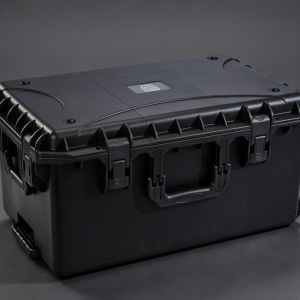
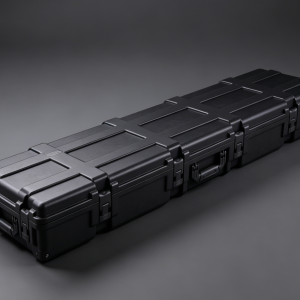
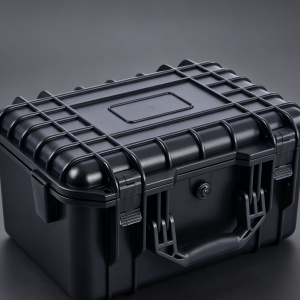
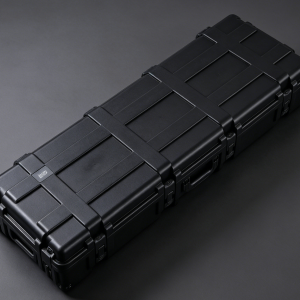
Automotive repair workshops need to store a wide range of tools, including wrenches, socket sets, screwdrivers, power tools, and diagnostic equipment. Because these tools vary in weight and are used frequently, storage solutions must provide sufficient load-bearing capacity while supporting wear resistance, oil protection, organized storage, and mobile operation. Compared with ordinary plastic storage boxes, metal toolboxes offer advantages in structural strength, durability, and space utilization. They are therefore widely used in professional repair shops, automotive service centers, and industrial maintenance facilities.
Why Are Metal Toolboxes Better Suited to Automotive Repair Workshops?
Load-Bearing Capacity for Heavy-Duty Repair Tools
Automotive repair tools are often made from steel, alloys, or other metals. Some power tools and specialized diagnostic devices are also relatively heavy. Ordinary storage boxes may deform or crack when subjected to prolonged loading or repeated impacts.
Metal toolboxes are manufactured from steel sheets, aluminum, or other metals. Their panel thickness, reinforcing ribs, and support structures can be designed according to specific requirements. For workshops that store heavy socket sets, wrenches, and repair equipment, a properly designed metal toolbox provides stable support and reduces the risk of structural deformation.
Better Adaptability to Demanding Working Environments
Automotive repair workshops frequently deal with lubricants, cleaning agents, metal shavings, and dust. Toolbox surfaces are also exposed to scratches and impacts. Metal enclosures generally offer good structural stability, while suitable powder coatings or other surface treatments can improve wear resistance and corrosion protection.
However, metal construction does not automatically guarantee rust prevention. For damp environments or work areas where chemical exposure is common, buyers should consider the material type, coating quality, and maintenance requirements.
How to Choose the Right Material for a Metal Toolbox
Steel Toolboxes for Frequent Repair Work
Steel toolboxes provide high structural strength and are suitable for storing heavy hand tools, power tools, and repair components. Steel is a common choice for workbenches, floor-standing tool cabinets, and multi-drawer toolboxes designed for long-term use.
When selecting a steel toolbox, pay attention to sheet thickness, bending structure, welding quality, and surface coating. Thicker steel does not necessarily indicate better overall quality. The enclosure design, connection points, and load-bearing structure are equally important.
Aluminum Toolboxes for Portable Repair Applications
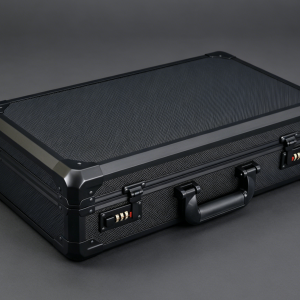
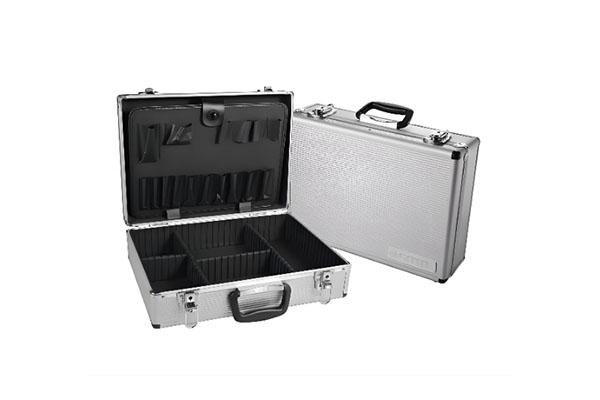
Aluminum is relatively lightweight, making it suitable for technicians who frequently transport tools to different locations. Common applications include roadside assistance, mobile automotive repair, and on-site equipment maintenance. Aluminum toolboxes are easier to carry and generally offer good corrosion resistance.
When storing particularly heavy tools, buyers should evaluate the enclosure structure, corner reinforcement, and handle connections rather than judging load capacity based on material weight alone.
How Does Structural Design Affect Work Efficiency?
Drawer Configurations for Organized Tool Storage
Drawer-style metal toolboxes are ideal for storing automotive tools of different sizes. Drawers with varying heights allow technicians to organize socket sets, wrenches, screwdrivers, and small components separately, reducing the time needed to locate tools.
During procurement, check the load capacity of the drawer slides, the drawer extension range, and the anti-disengagement design. For heavy-duty drawers, smooth operation under full load is particularly important to prevent rail deformation caused by prolonged overloading.
Mobile Tool Cabinets for Flexible Workshop Operations
Metal tool cabinets equipped with casters and handles can be moved as repair tasks shift between workstations. They are especially useful in workshops that service multiple vehicles simultaneously. Casters should be selected according to the cabinet’s total weight and floor conditions, with particular attention to braking systems, mounting bases, and directional stability.
For cabinets used to store large quantities of heavy tools, the bottom structure must provide adequate support to prevent tilting or loosening during movement.
Locks and Workbench Structures for Greater Practicality
Reliable locks help reduce the risk of tool loss, while durable hinges support smooth and consistent lid operation. For fixed repair stations, a metal tool cabinet with a sturdy worktop can combine tool storage with temporary repair tasks, improving workspace utilization.
What Should Buyers Consider When Purchasing Metal Toolboxes?
Automotive repair businesses should select toolbox specifications according to tool weight, usage frequency, workshop space, and mobility requirements. Drawers used frequently should have appropriately rated heavy-duty slides. For precision tools, buyers should also consider dividers, foam inserts, or separate storage compartments.
Other important factors include surface treatment, sharp edges, weld quality, lock performance, and the availability of replacement hardware. For bulk procurement or customized projects, buyers can specify drawer dimensions, the number of drawers, colors, labeling methods, and caster configurations in advance to ensure that the toolbox fits actual workshop workflows.
Conclusion
Metal toolboxes are commonly used in automotive repair workshops because they meet the demands of heavy tool storage, frequent operation, and challenging working environments. Steel toolboxes are suitable for fixed workstations that prioritize load-bearing capacity and structural strength, while aluminum toolboxes are a practical option for mobile repair applications where reduced weight is important. By considering material properties, structural design, drawer slides, and working conditions, buyers can balance tool protection, operational efficiency, and long-term costs.