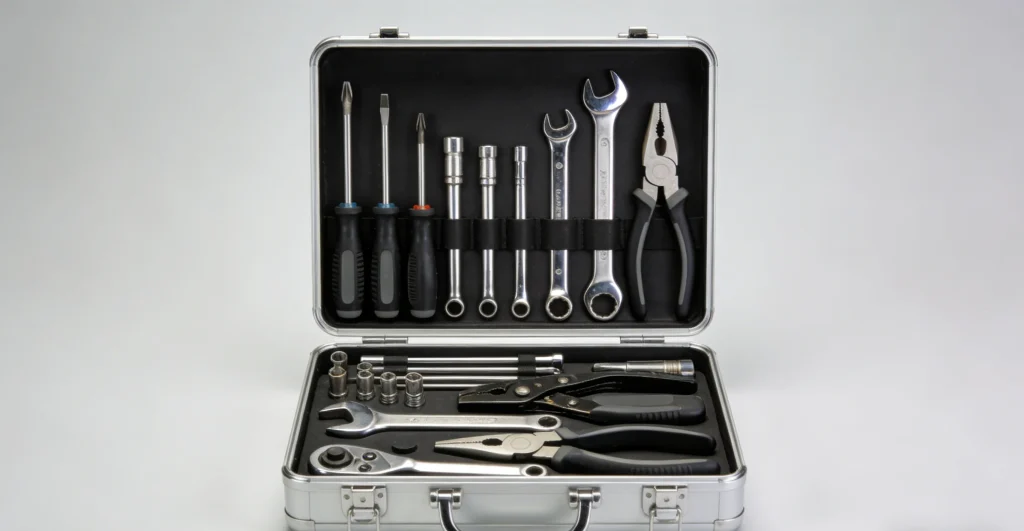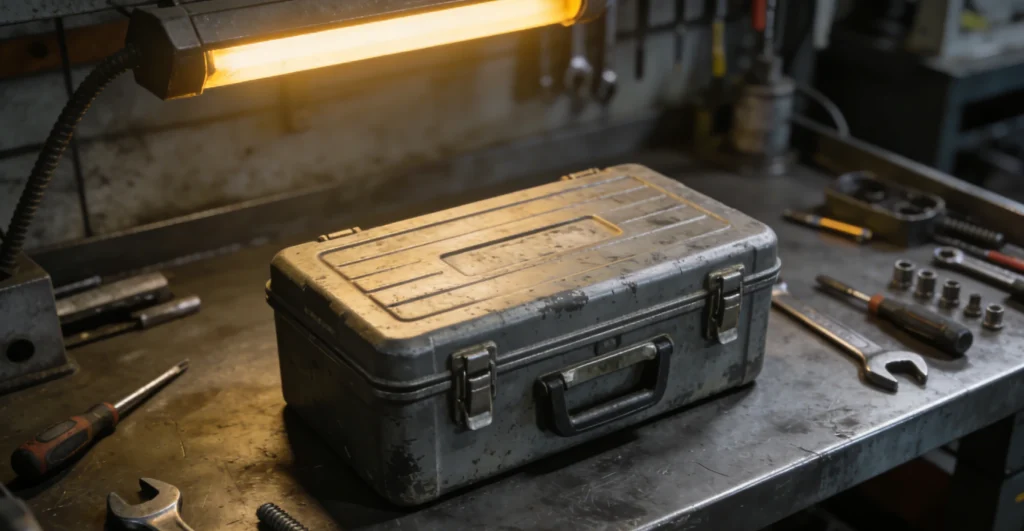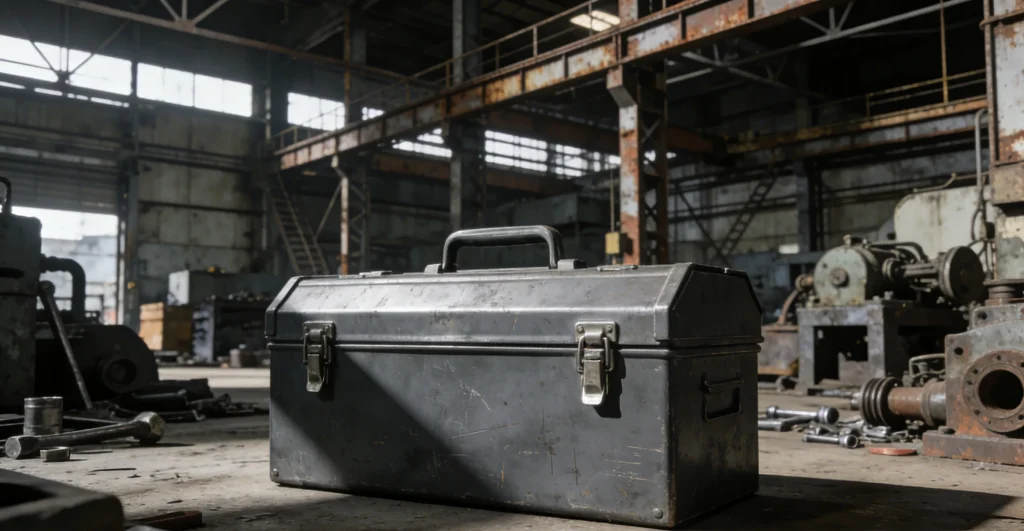
With the increasing popularity of home organization and DIY lifestyles, mini toolboxes are gradually entering many households. Compared to traditional large toolboxes, mini toolboxes are lighter, take up less space, and are more convenient for daily use. Whether it’s furniture assembly, screw tightening, or simple appliance repair, a small toolbox can often meet the needs. Many people consider whether mini toolboxes are practical and suitable for long-term family use before purchasing. In fact, for ordinary families, mini toolboxes are not only convenient for storage but also improve efficiency, and are frequently used in many scenarios.
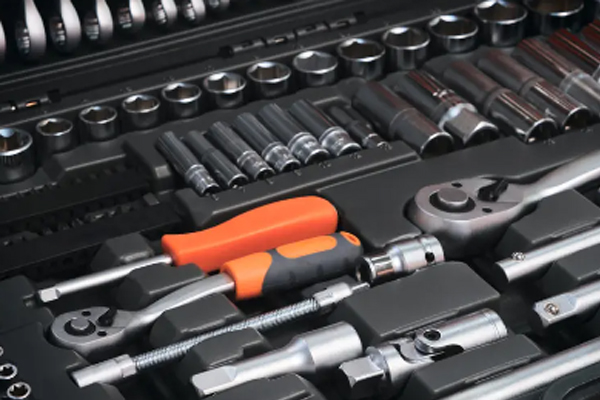
Why are Mini Toolboxes Becoming More and More Popular?
Mini toolboxes have gradually become a common small storage tool in many households in recent years. Compared to traditional large toolboxes, they are smaller and take up less space, making them suitable for drawers, shoe cabinets, balcony cabinets, or car trunks. For ordinary families, daily repairs do not require professional equipment; a set of lightweight tools can often solve many problems.
Many families encounter situations such as loose furniture, loose screws, wall hanging installation, and appliance battery replacement. If you can’t find the right tools temporarily, it not only wastes time but also affects your quality of life. The emergence of mini toolboxes makes home repairs more convenient and allows many people without repair experience to easily complete simple tasks.
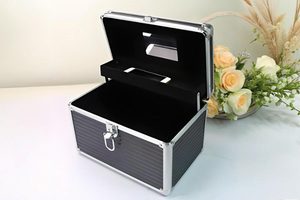
Now, the designs of mini toolboxes on the market are becoming increasingly diverse. Some use modular storage, some have portable handles, and some are equipped with non-slip tools and magnetic functions, significantly improving the user experience. For renters, small-apartment families, and those who enjoy DIY, mini toolboxes have become a highly practical household item.
Which Families Are Suitable for Mini Toolboxes?
Different families have different tool needs, and the advantage of mini toolboxes lies in their high adaptability. The following types of families are particularly suitable for having a mini toolbox, which can meet their daily repair needs without taking up too much storage space. For families with a fast-paced lifestyle, a small toolbox allows for easy access and a more relaxed user experience.
Small-Apartment Families
Small-apartment families usually place greater emphasis on space utilization, and every storage space in the home needs to be rationally planned. Mini toolboxes, due to their small size, are easier to place in cabinets, drawers, or corners without affecting the overall home environment.
- Small toolbox, doesn’t take up much space
- Can be placed in cabinets, under the bed, or in a corner
- Neat storage, less prone to clutter
For families with limited space, mini toolboxes are not only easy to store but also avoid the space pressure of large toolboxes, making daily access more convenient.
Renters
Many renters often install simple furniture or adjust room layouts themselves, and small tools are frequently used. Compared to heavy large toolboxes, mini toolboxes are more suitable for users who move frequently.
- Easy to carry when moving
- Meets basic repair needs
- No need to buy additional large tools
Lightweight toolboxes are not only easy to carry but also meet most repair needs in rented living, making them more practical for people with limited budgets.
Families with children
Families with children often need to deal with small problems with toys, study desks, or children’s furniture, so having a mini toolbox at home is more convenient. Some products also incorporate safety locks to reduce the risk of accidental activation by children.
- Can be used for toy repair
- Suitable for simple furniture adjustments
- Some products have safety lock designs
In daily life, small tools not only improve repair efficiency but also reduce the hassle of frequently calling for repairmen for minor problems, making them more practical.
Although mini toolboxes are small in size, they can meet most of the daily needs of ordinary families and offer greater flexibility in use. With the right tool configuration, they can play a significant practical role in daily life.
What tools are typically included in a household mini toolbox?
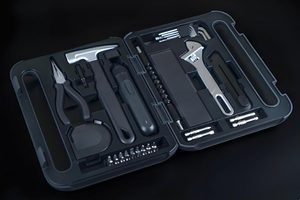
The configurations may vary between brands, but most household mini toolboxes come with some frequently used tools. A reasonable combination can improve repair efficiency and reduce the need for duplicate purchases. For ordinary families, a set of practical tools can cover most aspects of daily life.
Common basic tools
Basic tools are the most frequently used type in a mini toolbox. Whether it’s furniture assembly or simple repairs, these common accessories are indispensable. For ordinary families, a complete set of basic tools can solve many everyday problems.
- Phillips screwdriver
- Flathead screwdriver
- Small hammer
- Needle-nose pliers
- Measuring tape These tools are suitable for furniture installation
Door and window adjustment, and appliance disassembly and assembly. They are also the most practical part of a household toolbox and are used frequently in daily life.
Commonly Used Auxiliary Tools
In addition to basic tools, some auxiliary tools can also improve repair efficiency. Although they are not used as frequently as basic tools, they are very useful in specific scenarios.
- Hex wrench
- Utility knife
- Electrical tape
- Small adjustable wrench
- Screwdriver bit set
Auxiliary tools can handle more complex situations, improve the convenience of home repairs, and make some small installation tasks easier to complete.
Some Upgraded Configurations
With the continuous upgrading of mini toolboxes, many products now have more comprehensive functional configurations. For families who like DIY or have many electronic products, high-end toolboxes are more practical.
- Mini Electric Screwdriver
- Magnetic Storage Box
- Precision Repair Tools
- Anti-slip Handle Design
The upgraded version not only improves the user experience but also covers more repair scenarios, making it more convenient for long-term use.
More tools aren’t necessarily better; practicality is key. For ordinary household use, a mini toolbox that is fully functional, easy to use, and of stable quality is more suitable and easier to use long-term.
How Frequently Are Mini Toolboxes Used in Daily Life?
Many people worry about not using tools often before buying them, but in reality, small repair needs in the home are more common than imagined. Especially in modern home environments, many furniture and devices use screw-fixed structures, making basic tools indispensable for daily maintenance.
Tables and chairs in the home tend to loosen after a period of use and need regular reinforcement. Screwdrivers and measuring tapes are also needed when installing wall hooks, decorative paintings, and shelves. Basic tools are also essential when changing batteries or disassembling casings of some appliances.
Besides repair purposes, mini toolboxes are also very practical for organization and storage. Many people use it to adjust cabinet doors, install shelves, or disassemble small furniture. Simple tools are also frequently needed to assist with room decoration during holidays.
Many car owners also keep mini toolboxes in their cars for emergencies. Compared to large repair equipment, mini tools are more suitable for emergency and daily use, offering significantly greater flexibility.
What to Consider When Buying a Mini Toolbox
There are many types of mini toolboxes on the market, with significant price differences. To improve the user experience, several key points should be considered when purchasing. Only with reasonable tool quality, storage structure, and configuration will they be easier to use later and reduce the need for frequent replacements.
Durability of Tool Material
Tool material directly affects the overall lifespan. Poor-quality products are prone to deformation, rust, or slippage. Durability is crucial for long-term household use.
- Prioritize chrome vanadium steel
- Rust-proof surface treatment enhances durability
- Handles should have an anti-slip design
Tools made of stable materials are not only more durable but also improve safety and user experience during use.
Is the storage design reasonable?
A good mini toolbox requires not only practical tools but also a well-organized storage structure. A reasonable categorization design reduces tool loss and makes retrieval easier.
- Are the tools securely fixed?
- Is the categorization clear?
- Is it easy to access?
A good storage structure improves overall efficiency, especially when you need to quickly find tools.
Is the tool configuration practical?
Many consumers focus only on the quantity of tools when purchasing, but the real key is their practicality. A suitable configuration for home use often emphasizes the completeness of frequently used tools.
- Avoid having too many tools with low practicality.
- Focus on whether frequently used tools are complete.
- Choose the type according to your family’s needs.
Choosing a tool combination that suits your lifestyle reduces idleness and is more suitable for long-term family use.
Are the brand and after-sales service adequate?
Mini toolboxes are long-term products, so brand quality and after-sales service are equally important. Stable brands usually offer better guarantees in terms of workmanship and materials.
- Check user reviews
- Pay attention to after-sales service
- Choose reputable brands Products with comprehensive after-sales
service are more convenient for later parts replacement or repair, resulting in a better long-term user experience.
When buying a mini toolbox, don’t just pursue high prices; what’s more important is whether it meets your family’s actual needs. A toolbox that suits your needs is often more practical than a large, complex set.
Can a mini toolbox replace a large toolbox?
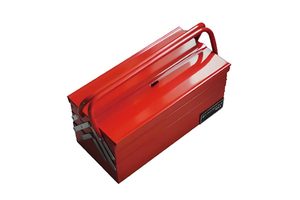
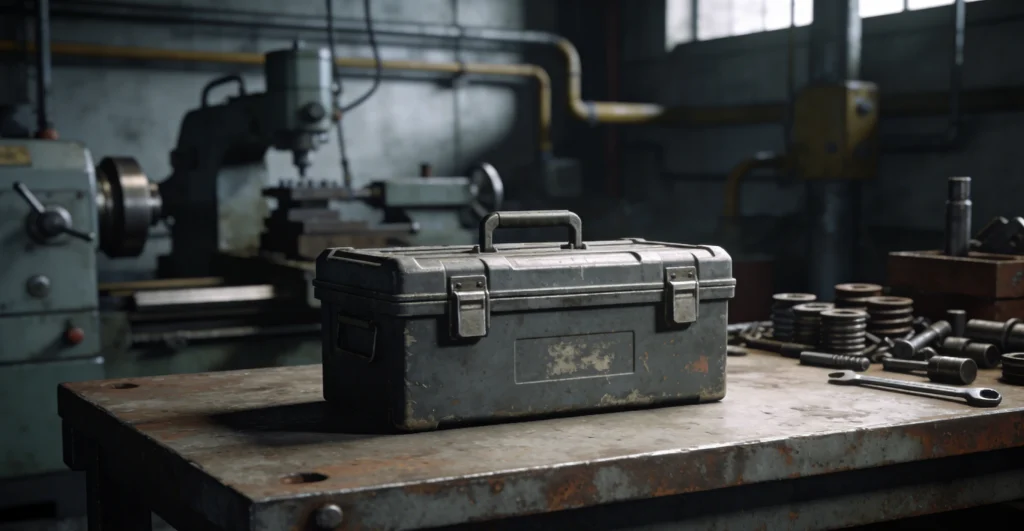
For professional repair personnel, large toolboxes still have an irreplaceable role because they can hold more professional equipment and are suitable for high-intensity work environments. However, for ordinary families, mini toolboxes can meet most daily needs.
Home repairs are usually light-duty operations, such as furniture assembly, simple disassembly and assembly, and screw fixing, and do not frequently involve heavy-duty repairs. Mini toolboxes are more suitable for the home environment in terms of portability, storage efficiency, and ease of use.
Many families buy large toolboxes but don’t use them often; instead, they remain unused due to their large size and the variety of tools. Mini toolboxes are easier to access and can truly integrate into daily life.
With continuous upgrades in tool design, many mini toolboxes now offer high practicality, with some sets even covering various scenarios such as electronics repair, home installation, and car emergency repairs. For the average household, a reliable mini toolbox is sufficient to meet most daily needs.