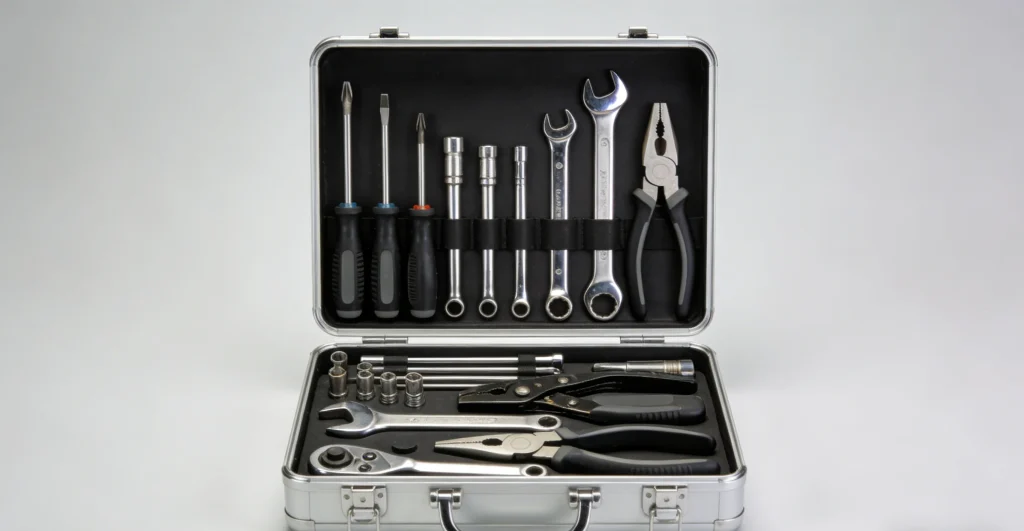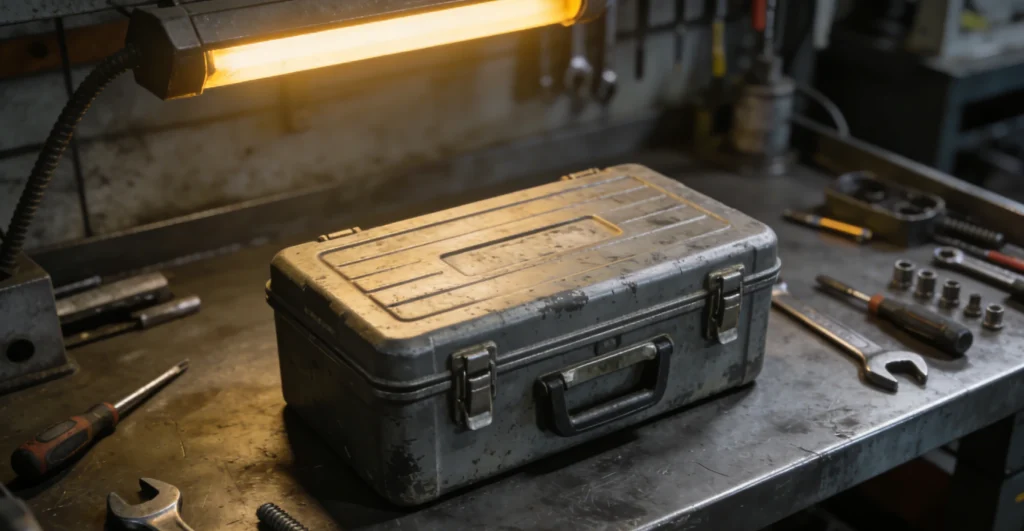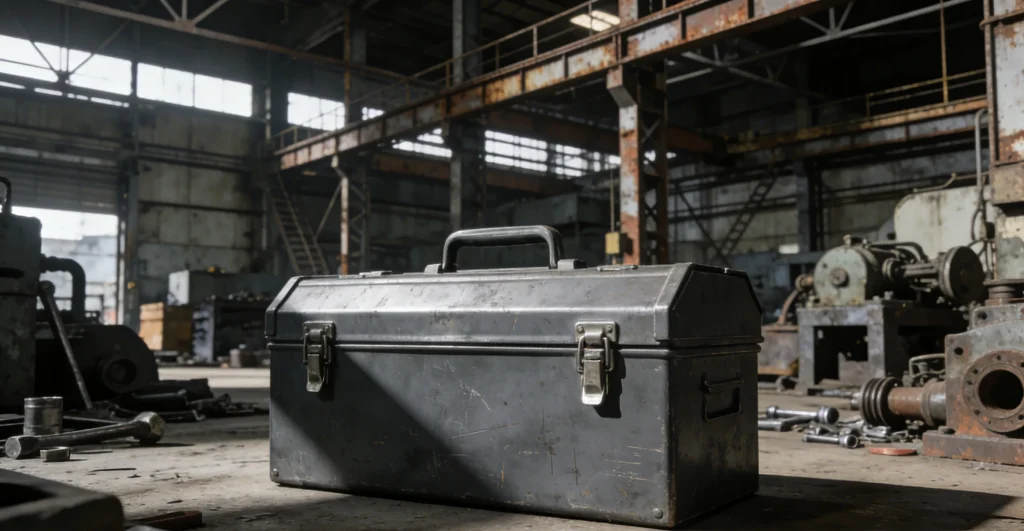
Outdoor working environments are usually much more complex than indoor environments. In addition to providing storage functions, tool boxes also need to withstand rain, dust, intense sunlight, impacts, and frequent transportation. Therefore, a portable tool box that is truly suitable for outdoor use is not simply about “holding tools.” It also needs to provide impact resistance, waterproofing, portability, and organized storage capabilities. Many people focus more on appearance or capacity when buying a tool box, but after actual use, they realize that the tool box may be too heavy, not impact-resistant enough, poorly organized inside, or inconvenient to carry. All of these problems can directly affect work efficiency.
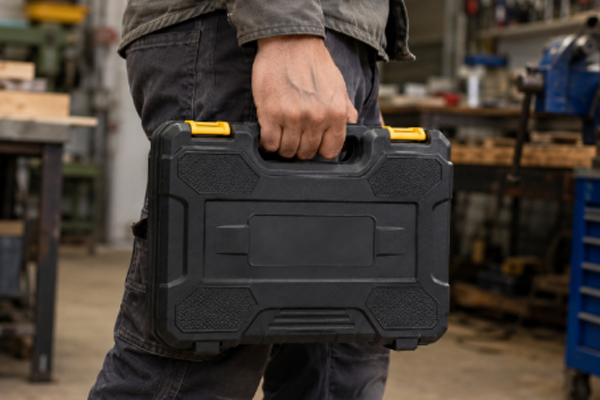
Especially for electricians, equipment maintenance workers, communication installers, automotive rescue teams, and outdoor construction personnel, the tool box almost follows the worker every day. If the tool box develops broken latches, cracked corners, or water leakage inside, it can not only affect construction progress but may also damage the tools themselves. Compared with ordinary household storage purposes, outdoor work places greater emphasis on the stability and practicality of the tool box. For example, some jobs require long periods of exposure to sunlight, some frequently drag tool boxes across muddy ground, while others involve extremely dusty environments. All of these conditions place higher demands on the tool box.
What Material Is More Suitable for Outdoor Tool Boxes?
In outdoor environments, the most important foundation of a tool box is “durability.”
Because outdoor work often involves:
- Drops and impacts
- Ground friction
- Long-term carrying and transportation
- High and low temperature changes
Humid or sun-exposed environmentsTherefore, material strength is extremely important.
Currently, the most common outdoor tool box materials include ABS engineering plastic, thickened PP plastic, steel metal, and aluminum alloy. Among them, ABS engineering plastic is commonly used in many professional tool boxes because it balances weight and impact resistance. Even with frequent movement, it is not easy to crack. Compared with ordinary plastic, its impact resistance performance is much more stable. If it is used in heavy-duty construction environments, such as construction sites or automotive repair scenarios, steel tool boxes offer stronger load-bearing capacity and are more suitable for storing heavier tools. However, steel tool boxes are relatively heavy overall, making long-term transportation more physically demanding. Aluminum alloy tool boxes are more focused on professional equipment protection. They provide a certain level of strength without being as heavy as steel, while also offering strong corrosion resistance. Therefore, many precision maintenance industries use this type of material.
How Important Is Waterproof Performance?
Many people may overlook waterproof and dustproof performance when purchasing a tool box. However, rainwater and dust are actually very common in outdoor work environments. If the tool box does not have good sealing performance, problems such as the following can easily occur:
- Tools rusting
- Power tools becoming damp
- Small parts getting lost
Dust entering and affecting tool usageTherefore, outdoor tool boxes should ideally have basic protective capabilities.When choosing, pay attention to the following:Whether it includes a rubber sealing ringTool boxes with sealing rings can reduce the entry of rainwater and dust.
Whether the latches are sturdy
The more stable the latches are, the better the closing performance of the tool box will usually be, and it is less likely to pop open during outdoor transportation.
Whether the hardware accessories are resistant to rust
In humid environments, ordinary metal accessories are prone to oxidation, so it is better to choose products with good anti-corrosion treatment.
Whether the edge seams are tightly connected
Some low-cost tool boxes have large edge gaps, and these products usually provide weaker dustproof performance.
Is a Bigger Tool Box Always Better?
Many users believe when purchasing:
“The larger the capacity, the more practical it is.”
However, people who truly work outdoors for long periods usually care more about portability. If the tool box is too large, many problems can occur:
- Difficult to carry
- Inconvenient when going up and down stairs
- Easy to cause fatigue during long-term transportation
- Tools shake excessively inside
Takes up more vehicle storage spaceTherefore, outdoor tool boxes emphasize “reasonable capacity” rather than simply being large.
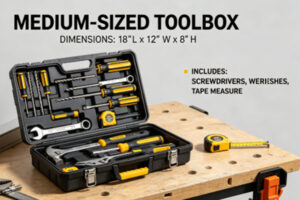
If it is only for ordinary repair tools, a medium-sized tool box is usually sufficient. What truly affects the user experience is actually:
- Whether the handle is comfortable
- Whether the weight is reasonable
- Whether it includes wheels
- Whether the internal layers are clearly organized
- Whether the tools are easy
To accessEspecially for workers who need to move long distances, lightweight design is often more important than simply having large capacity.
Common Usage Questions
Are plastic tool boxes suitable for long-term outdoor use?
Ordinary thin plastic is not very suitable for heavy long-term use, but high-quality ABS engineering plastic already has very strong impact resistance, and many professional maintenance workers use it.
Is it necessary to buy a waterproof outdoor tool box?
If you frequently work outdoors, it is recommended to at least choose a tool box with a basic waterproof structure, which can reduce moisture problems affecting tools.
Why do some tool boxes crack easily?
Many low-cost tool boxes use thinner materials with limited impact resistance. Frequent drops or heavy pressure can easily damage them.
Are tool boxes with wheels practical?
If there are many tools or long transportation distances involved, tool boxes with wheels can significantly reduce carrying burden, especially in engineering and maintenance environments.
What Type of Tool Box Is Suitable for Electricians, Maintenance Workers, and Construction Workers?
Different professions have very different requirements for tool boxes. Because working environments, tool weight, and movement frequency vary, the most suitable tool box types are also different. If the wrong tool box is selected, problems such as inconvenient carrying, disorganized tools, or insufficient load-bearing capacity can easily occur. Especially for personnel who work outdoors long-term, it is important to choose the appropriate tool box type according to actual working conditions.
| Job Type | More Suitable Tool Box Type | Main Features | Why It Is Suitable |
| Electrical Maintenance | ABS engineering plastic layered tool box | Lightweight, multiple compartments, portable | Electricians use many small parts and frequently move between locations |
| Equipment Maintenance Workers | Large-capacity tool box with wheels | Strong load-bearing, easy movement | Large quantity of tools makes long-distance transportation easier |
| Construction Site Workers | Reinforced metal or thick engineering plastic tool box | Impact-resistant, pressure-resistant, sturdy structure | Construction sites are complex environments with heavier tools and frequent collisions |
| Communication Installation Workers | Multi-functional portable tool box | Clear compartment layout, convenient for stairs | Frequent outdoor work requires strong portability |
| Automotive Repair Workers | Heavy-duty steel tool box | High load capacity, wear-resistant | Automotive repair tools are heavy and require a more stable structure |
| Outdoor Inspection Personnel | Waterproof and dustproof tool box | Strong sealing performance, moisture resistance | Long-term outdoor work involves rain and dust exposure |
For example, electricians often use electrical testers, insulation tape, terminals, small screws, and many other small tools. Therefore, lightweight tool boxes with layered compartments are more suitable because they allow tools to be categorized quickly and improve work efficiency. Construction workers often use heavy-duty wrenches, electric drills, and large hardware tools, so they require high-strength and impact-resistant tool boxes to avoid damage caused by frequent collisions. For maintenance engineering personnel, because they often need to carry large numbers of tools for outdoor work, large-capacity tool boxes with wheels are more labor-saving, especially during long-distance movement. Different professions require different tool box structures, and only a design that truly matches work requirements can provide a more stable user experience.
When choosing a portable tool box suitable for outdoor work, the factor is not simply appearance or capacity, but whether it can adapt to long-term use in complex environments. Impact resistance, waterproofing, dustproofing, lightweight design, and organized storage structure all directly affect the actual working experience. A tool box that is not suitable for outdoor environments may quickly develop cracks, loose latches, or disorganized tools, which not only reduces efficiency but may also increase additional usage costs. Different working environments also place completely different demands on tool boxes. Light outdoor use is more suitable for lightweight tool boxes, while construction sites, maintenance, and engineering environments require higher-strength and higher load-bearing structures.
For workers who frequently move between job sites, comfortable handles, reasonable weight, and clear compartment organization are also extremely important. Therefore, before purchasing an outdoor tool box, it is best to first clarify your working environment, tool types, and daily usage frequency, and then make a comprehensive selection based on material, protective performance, and portability. A truly suitable tool box is not only convenient for storing tools, but can also make the entire outdoor working process more stable, labor-saving, and efficient.