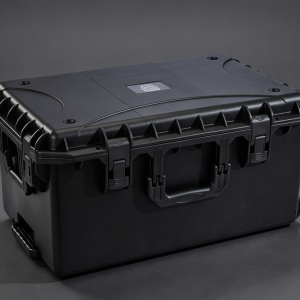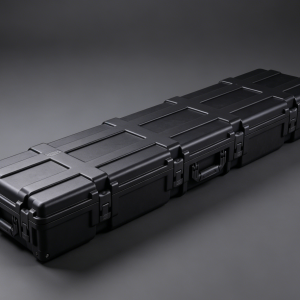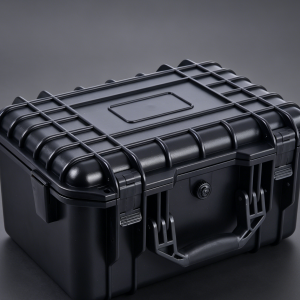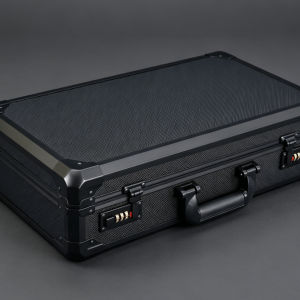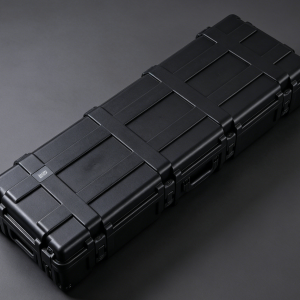
Plastic toolboxes have become common tool storage products in home repair, car maintenance, construction, and industrial maintenance. With continuous upgrades in engineering plastics technology, modern plastic toolboxes not only possess excellent load-bearing capacity but also feature lightweight design, corrosion resistance, and portability. Compared to traditional storage devices, plastic toolboxes can meet the needs of different users for tool management and transportation. Whether you are a professional technician or an ordinary household user, you can benefit from the design features of plastic toolboxes. Understanding the advantages of plastic toolboxes will help you make a more appropriate decision when purchasing one.
Lightweight and Easier to Carry
For people who frequently need to move tools, the weight of the toolbox directly affects the user experience. One of the biggest features of plastic toolboxes is their lightweight design, which effectively reduces the overall weight while maintaining structural strength.
Even when loaded with a lot of tools, plastic toolboxes are still easier to move than metal toolboxes of the same size. For repair personnel, installers, and outdoor workers, this advantage reduces physical exertion during transportation and improves work efficiency.
The portability of plastic toolboxes is mainly reflected in:
- Lighter weight
- Easier and less strenuous to carry
- Less burdensome to carry for extended periods
- More suitable for frequent movement
The lightweight nature of plastic toolboxes allows them to adapt to a wider range of work scenarios, making them a top priority for many users.
Excellent Corrosion Resistance
Toolboxes inevitably come into contact with humid air, rain, or various chemicals during use. If the material does not have good corrosion resistance, it is easy for it to rust or age.
Plastic toolboxes are not affected by rust like metal toolboxes. Even in humid environments for extended periods, they maintain good appearance and structural stability. This feature effectively extends the product’s lifespan, especially in coastal areas, high-humidity warehouses, and outdoor working environments.
Plastic materials also have good acid and alkali resistance, providing more stable protection in certain special working environments. Users do not need to perform regular rust removal and anti-corrosion treatments, making daily maintenance simpler and more convenient.
Reasonable Price and High Cost-Effectiveness
Budget is often a crucial factor influencing purchasing decisions when buying toolboxes. Plastic toolboxes are generally more affordable due to their mature manufacturing process and relatively low raw material costs.
Users with different budgets can find suitable products, with a wide range of options from basic household models to professional engineering models. For users just starting to build a tool system, plastic toolboxes can meet basic storage needs while controlling costs.
Plastic toolboxes have the following advantages in cost control:
- Lower purchase threshold
- Wide selection of product models
- Lower maintenance costs
- More suitable for bulk purchases
The high cost-effectiveness makes plastic toolboxes a common choice for many businesses and individual users.
Flexible Design and Rich Storage Functions
Modern plastic toolboxes are not just simple storage containers; many products incorporate numerous practical functions in their structural design. Thanks to the good plasticity of plastic materials, manufacturers can develop more complex and practical internal structures.
Many plastic toolboxes are equipped with movable trays, removable dividers, transparent parts boxes, and multi-layer storage spaces, making it convenient for users to classify and manage tools according to type. A reasonable internal layout can reduce tool mixing and improve search efficiency. Common designs include:
- Multi-layered categorized storage structure
- Adjustable divider design
- Drawer-style storage space
- Modular combination design
The rich functional configurations allow plastic toolboxes to meet the storage habits and work needs of different users.
Wide Range of Applications
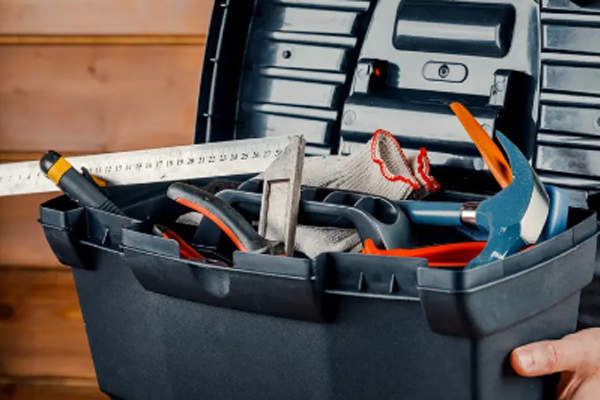
Plastic toolboxes are not only suitable for professional repair industries, but also have a wide range of uses in daily life. Home users can use toolboxes to store screwdrivers, pliers, tape measures, and various repair parts, keeping their home environment clean and organized.
Automotive mechanics, electricians, installers, and mechanical maintenance engineers also frequently use plastic toolboxes for tool management. Some reinforced products can even be used on construction sites, factory workshops, and outdoor engineering projects.
Common application scenarios for plastic toolboxes include:
- Home repair and DIY projects
- Car maintenance and emergency tool storage
- Electrical and installation work
- Construction site management
- Industrial equipment maintenance
From daily life to professional engineering fields, plastic toolboxes can play an important role. With the continuous advancement of materials technology, its application scope continues to expand, making it a highly competitive product type in the tool storage market.