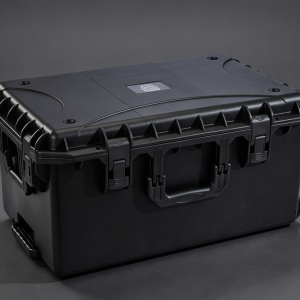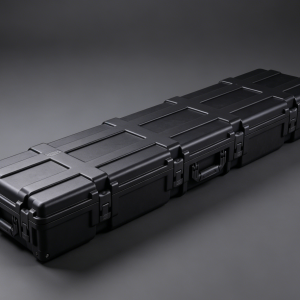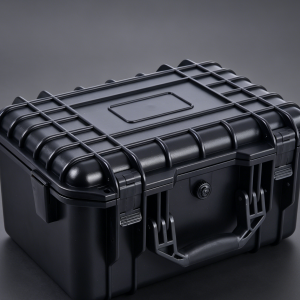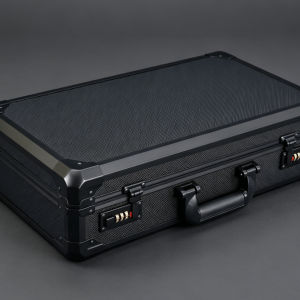
With the continuous growth of industrial manufacturing, automotive repair, construction work, and home maintenance needs, tool boxes have become essential equipment for tool management. Among various metal material tool boxes, stainless steel models are widely favored due to their durability, strong corrosion resistance, and long service life. However, with so many products on the market, differences in material thickness, structural design, and manufacturing processes can be significant. Improper selection may not only affect user experience but also increase long-term maintenance costs. Understanding the correct purchasing criteria helps users choose a more suitable tool box for their needs.
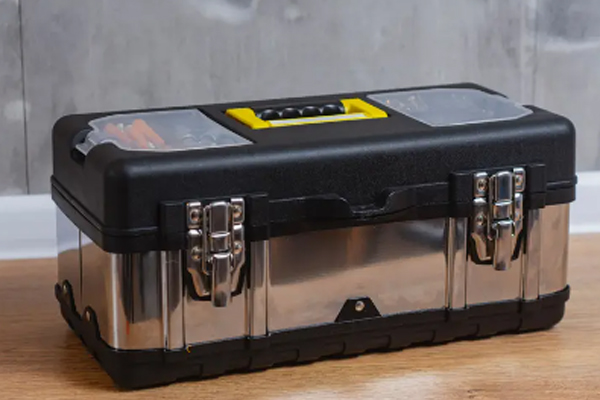
Why Choose a Stainless Steel Tool Box?
Compared with tool boxes made from other materials, stainless steel tool boxes offer clear advantages in durability and environmental adaptability, making them a preferred choice in many professional fields.
- Stainless steel has strong anti-rust properties and is not easily corroded even in humid environments.
- The metal structure provides high strength, effectively protecting internal tools from impact damage.
- The surface is easy to clean, with oil and dust not easily adhering, making daily maintenance simple.
- It offers a long service life and maintains structural stability even under frequent and heavy use.
How to Evaluate Tool Box Quality?
When purchasing, product images alone are not enough to judge quality; several key details must be carefully examined.
- Check steel thickness, as thicker material generally provides better load-bearing capacity and durability.
- Inspect welding quality to ensure joints are smooth and evenly finished for better structural strength.
- Observe surface treatment; it should be smooth, clean, and free from scratches or burrs.
- Test the lid and locking system to ensure smooth operation and secure closure.
- Check edge finishing to ensure rounded corners for safer handling during transport.
Choosing the Right Size for Different Scenarios
Different working environments require different tool box capacities and structures, making size selection highly important.
- For home maintenance, a compact or medium-sized tool box is sufficient and easy to store.
- Automotive repair shops require large-capacity tool boxes for various tools and parts.
- Construction sites need reinforced models with higher load-bearing capacity.
- Outdoor work environments should prioritize waterproof and dustproof designs.
- Users who frequently move tools should choose models with wheels for easier transport.
Design Features Worth Paying Attention To
Good design improves storage efficiency and helps maintain organized tool management.
- Layered storage design allows better classification of tools and reduces search time.
- Drawer-style structures maximize internal space utilization and storage capacity.
- Safety locking systems prevent tools from falling out during transportation.
- Reinforced handles improve comfort and safety during carrying.
- Anti-slip base design enhances stability and reduces movement during use.
Common Overlooked Purchasing Factors
Many buyers focus only on price while ignoring important factors that affect long-term usability.
- Check the manufacturer’s experience and production quality control capabilities.
- Confirm whether customization options such as size, color, and internal layout are available.
- Review warranty terms and after-sales service support.
- Compare overall value, including material, craftsmanship, load capacity, and price—not just cost alone.
- Consider future usage needs and leave extra storage space to avoid frequent replacement.
When choosing a stainless steel tool box, it is important to evaluate not only the quality of the metal material itself but also structural design, load capacity, usage environment, and long-term maintenance costs. This ensures higher practical value and longer service life. For users seeking professional storage solutions, SIPHIA BOX offers a wide range of high-quality tool boxes and customization services to meet the needs of different industries.