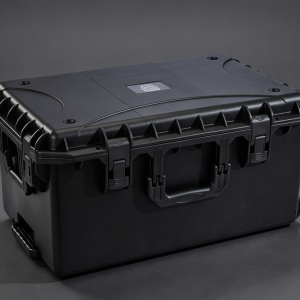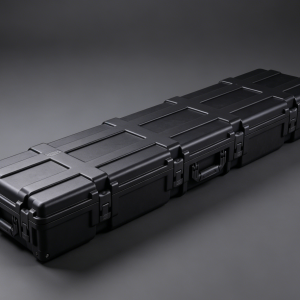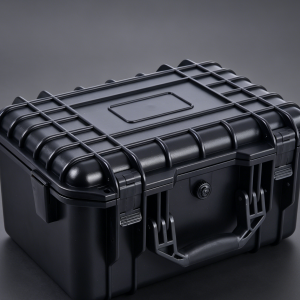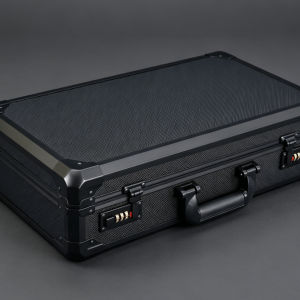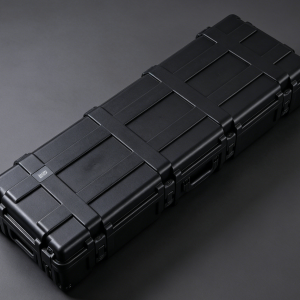
In various scenarios such as repair work, manufacturing, and daily tool management, a tool box is not only a storage container but also an important part of maintaining work efficiency. Stainless steel tool boxes, relying on the high strength and corrosion resistance of metal materials, perform reliably in long-term use. However, if cleaning and maintenance are neglected, oil stains, dust, and moisture can gradually affect the surface and structural components, leading to reduced appearance quality and even affecting smooth operation. Proper cleaning and maintenance methods help keep the tool box in stable condition and significantly extend its service life.
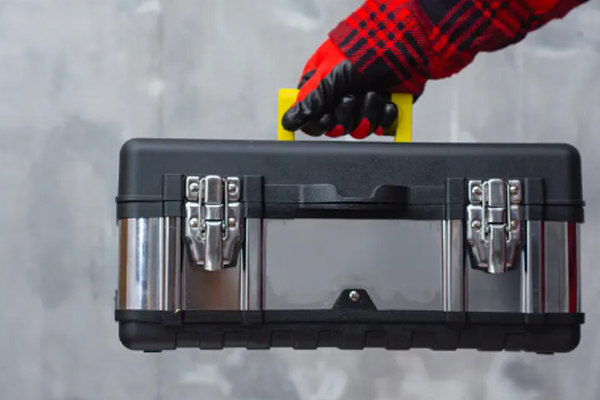
Daily Cleaning Habits
Daily cleaning is simple but essential, and consistency is the key to keeping the tool box in good condition.
- Wipe the surface regularly with a dry cloth to prevent dust accumulation over time.
- Use a neutral detergent for oily areas, then rinse and dry thoroughly.
- Clean internal compartments regularly to remove metal debris that may affect drawer movement.
Stainless Steel Surface Maintenance
Although stainless steel is a corrosion-resistant metal material, proper maintenance can further improve its appearance and durability.
- Apply stainless steel care products periodically to form a protective layer and reduce oxidation and fingerprints.
- Avoid strong acid or alkaline cleaners that may damage the metal surface structure.
- After use in humid environments, dry immediately and place in a ventilated area.
- Minor scratches can be improved using a soft polishing cloth.
Structural and Functional Component Care
The performance of a tool box depends not only on its shell but also on its internal mechanisms and hardware components.
- Drawer slides should be lubricated regularly to ensure smooth operation.
- Locking systems should be checked to ensure they remain secure during transport.
- Hinges can be lightly lubricated to reduce wear from long-term friction.
- Wheel systems should be inspected to prevent mobility issues caused by wear.
- Handles should be tightened if loosened to ensure safe usage.
Impact of Usage Environment
The environment in which the tool box is used directly affects its lifespan, making environmental control very important.
- Long-term exposure to humid environments may accelerate oxidation and should be minimized.
- Dust-heavy industrial environments require more frequent cleaning to avoid structural blockage.
- High temperature or direct sunlight may speed up aging of certain components.
Long-Term Storage and Maintenance
Even when not in use, proper storage is necessary to maintain the tool box in good condition.
- Clean thoroughly and ensure complete dryness before storage.
- Store tools in an organized way to prevent deformation caused by long-term pressure.
- Keep in a dry and well-ventilated environment to reduce moisture damage to metal materials.
- Perform periodic inspections during storage to avoid hidden deterioration.
Good cleaning and maintenance habits not only extend the lifespan of a stainless steel tool box but also ensure stable performance and professional reliability in different working environments. Whether for daily maintenance or industrial use, proper care significantly improves efficiency in tool management. For users seeking higher-quality and more professional metal material tool box solutions, SIPHIA BOX offers reliable options designed for multiple application scenarios.