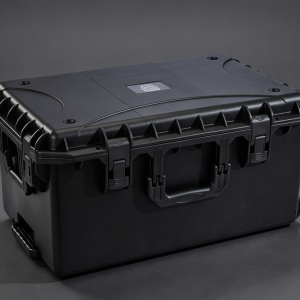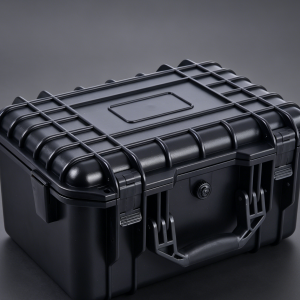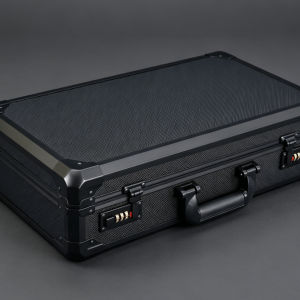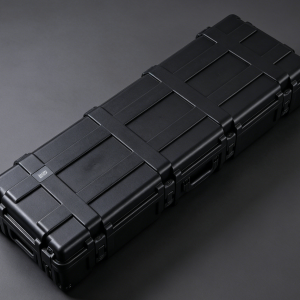
Plastic toolboxes are frequently used in home repairs, car maintenance, construction, and industrial operations. After prolonged exposure to dust, oil, metal shavings, and various working environments, dirt easily accumulates on their surface and inside. If not cleaned regularly, this not only affects the toolbox’s appearance but can also cause wear and tear or functional decline in latches, hinges, and storage areas. Proper cleaning methods can extend the lifespan of a plastic toolbox while keeping the tools inside neat and organized. Mastering scientific cleaning methods is crucial for daily maintenance and long-term use.
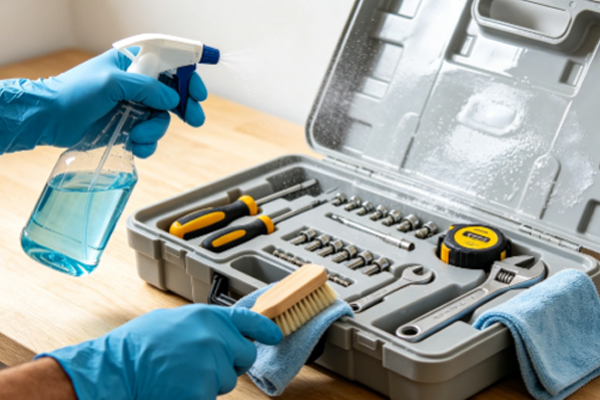
Organize and Check Before Cleaning
Before officially cleaning the plastic toolbox, it’s necessary to organize its contents. Many people simply rinse the toolbox with water, neglecting to clean any remaining tools and spare parts. This can easily lead to tools getting damp or parts being lost.
Before cleaning, it is recommended to complete the following preparations:
- Remove all tools and arrange them by type.
- Clean small parts such as screws and washers.
- Check the box for cracks or damage.
- Check if the latches and handles are loose.
- Prepare a soft cloth, brush, and cleaning supplies.
After tidying up, you can clean every corner more thoroughly and easily identify any parts of the toolbox that need repair. Good preparation makes the subsequent cleaning process more efficient.
Properly Remove Dust and Debris
After long-term use, plastic toolboxes often accumulate a lot of dust, sawdust, iron filings, and other small debris inside. If these impurities accumulate for a long time, they will not only affect the storage effect but may also scratch the surface of the toolbox.
For ordinary dust and debris, you can first use a soft brush to clean them, and then use a vacuum cleaner or a clean towel to wipe away the residue. More careful treatment is needed for gaps between compartments, corners, and the bottom of the tray. Common cleaning methods include:
- Using a soft-bristled brush to remove surface dust
- Using a vacuum cleaner to remove small particles
- Wiping the internal compartments with a dry cloth
- Cleaning debris from corners and crevices
After basic dust removal, deep cleaning will yield better results and prevent stains from spreading during the cleaning process.
How to Deal with Oil Stains and Stubborn Stains
Many toolboxes accumulate machine oil, grease, and other industrial stains inside, which are often difficult to remove completely with water alone. If these stains remain on the plastic surface for a long time, they will not only affect the appearance but may also attract more dust.
When dealing with oil stains, a neutral detergent can be mixed with warm water and then gently wiped with a soft cloth. For areas that are difficult to clean, a soft-bristled brush can be used for scrubbing. Strong acids, strong alkalis, or corrosive solvents should be avoided during the cleaning process to prevent damage to the plastic surface. When cleaning oil stains, refer to the following methods:
- Wipe with diluted neutral detergent
- Clean textured areas with a soft brush
- Repeatedly wipe stubborn stains
- Wipe away residue with clean water immediately after cleaning.
Using cleaning products appropriately can keep the plastic surface smooth and reduce the risk of material aging.
How to Dry After Cleaning
Many people put tools back in the toolbox immediately after cleaning. This practice can easily lead to internal dampness, affecting the lifespan of both the tools and the toolbox. Especially in high-humidity environments, residual moisture may cause metal tools to rust.
After cleaning, plastic toolboxes should be placed in a well-ventilated area to air dry naturally. For internal compartments, edge seams, and latches, use a clean towel to wipe them to speed up the drying process. Suitable drying methods include:
- Absorbing surface moisture with a dry towel
- Allowing to air dry naturally in a well-ventilated environment
- Opening the lid to promote air circulation
- Ensuring the inside is completely dry before storing tools.
Sufficient drying not only prevents odors but also helps maintain a clean storage environment.
Daily Maintenance to Keep the Toolbox in Good Condition
Plastic toolboxes do not require frequent deep cleaning, but regular maintenance can effectively reduce dirt accumulation and lower cleaning difficulty. Good usage habits are more important than a single thorough cleaning.
During daily use, develop the habit of putting tools away, wiping away stains promptly, and regularly checking the box structure. This will not only extend the toolbox’s lifespan but also improve tool management efficiency. Routine maintenance recommendations include:
- Clean dust promptly after use
- Avoid storing damp tools for extended periods
- Regularly check the condition of latches and hinges
- Prevent heavy objects from pressing against the box for extended periods
- Perform a thorough cleaning periodically
By adhering to proper maintenance, plastic toolboxes can maintain a good appearance and functional condition for a long time, continuing to play a stable role in home and work environments.