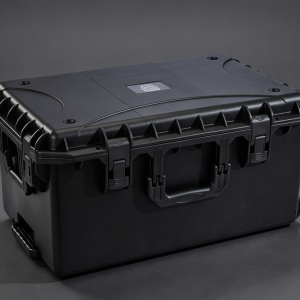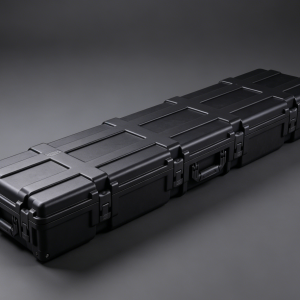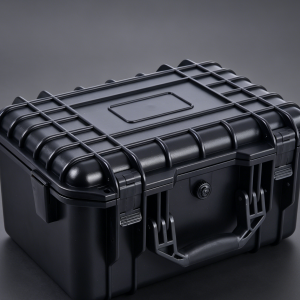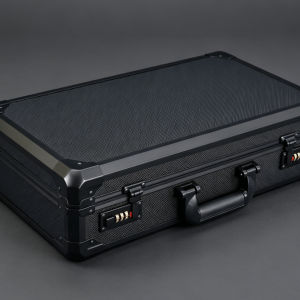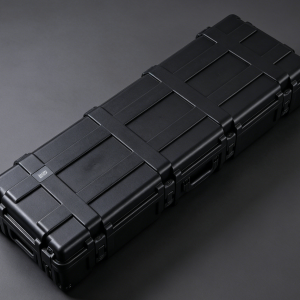
In industrial production, equipment maintenance, engineering projects, and personal tool management, the storage, protection, and transportation of tools and equipment are always critical steps. Without suitable storage solutions, tools can be easily lost, damaged, or exposed to moisture, negatively impacting work efficiency and safety. Aluminum tool boxes have become a key choice across various industries due to their lightweight yet sturdy construction, corrosion resistance, durability, and professional appearance. They can store ordinary tools, transport precision instruments and outdoor equipment, and even serve for customized corporate packaging or display. Compared with plastic tool boxes, they offer higher strength and durability; compared with steel tool boxes, they are lighter and easier to carry and move.
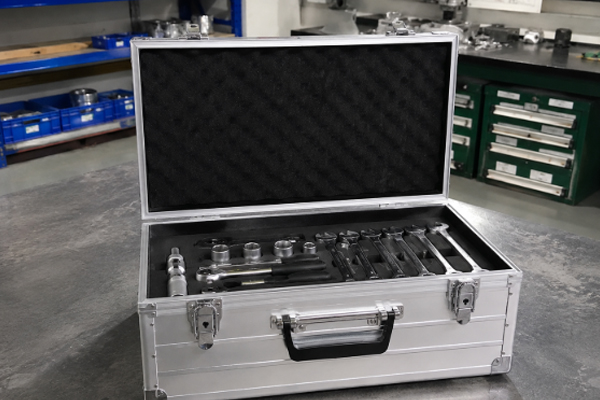
What Is an Aluminum Tool Box?
An aluminum tool box is a tool storage device made from aluminum alloy sheets and profiles, designed to store, protect, and transport various tools, instruments, and components. Its main structure typically includes the box body, frame, locks, handles, and internal cushioning materials, assembled into a complete unit using rivets or bolts.
The advantages of aluminum tool boxes are mainly reflected in:
- Lightweight and Portable: Aluminum alloys are low in weight, making them easy to carry even when loaded with tools.
- High Strength: The box can withstand external impacts and is resistant to deformation.
- Corrosion Resistance: It does not easily rust even after long-term use in humid environments.
- Professional Appearance: The metallic finish is suitable for industrial, engineering, and high-end applications.
Aluminum tool boxes not only meet basic storage needs but can also achieve higher levels of protection through customized internal padding, protective layers, and partitions.
How Do Aluminum Tool Boxes Meet Multiple Purposes?
Aluminum tool boxes are widely applied in different scenarios, with their versatility achieved through material selection, structural design, manufacturing, and functional optimization.
Material Selection and Structural Design
- Choose Aluminum Materials According to Use: Select aluminum alloy sheets and profiles of different thicknesses and specifications based on application requirements.
- Structural Planning: Design the box dimensions, load-bearing structures, lock positions, and internal layout. Industrial maintenance boxes emphasize compartmentalized storage and portability, while precision instrument transport boxes prioritize stability and shock resistance.
Manufacturing
- Component Fabrication: Aluminum sheets are cut and bent to form box components, and aluminum profiles are processed into frames.
- Assembly: Riveting or bolting is used to assemble the box body, along with locks, hinges, handles, and corner protectors, ensuring a sturdy structure that is easy to use.
Functional Optimization
- Internal Cushioning: Depending on the application, EVA foam inserts, sponge layers, or partitions are added to secure tools and equipment.
- Outdoor Use: Additional dustproof and moisture-resistant designs may be included. For transporting precision equipment, enhanced shockproof features are applied.
Surface Treatment
The aluminum surface is treated through anodizing, sandblasting, or coating to improve wear resistance, corrosion resistance, and aesthetics, allowing long-term performance even in harsh environments.
Through these processes, aluminum tool boxes can adapt to mechanical maintenance, electrical construction, photography equipment, medical device transportation, and corporate display packaging, upgrading their function from basic storage to professional protection.
Core Performance Features of Aluminum Tool Boxes
The performance of aluminum tool boxes relies on core technical support, mainly in structural design, internal protection, and protective performance.
| Technical Item | Main Function | Advantage |
| Aluminum Alloy Frame | Enhances overall strength | High load-bearing capacity, impact-resistant |
| Reinforced Corner Design | Protects vulnerable parts | Reduces damage during transport and collisions |
| Anodized Surface Treatment | Surface protection | Wear-resistant and corrosion-resistant |
| Sandblasting/Coating | Appearance enhancement | Improves texture and aesthetics |
| EVA Foam Inserts | Secures internal items | Shockproof and anti-slip |
| Sponge Cushion Layer | Absorbs impact | Reduces transportation damage |
| Sealing Gasket | Dustproof and moisture-resistant | Enhances environmental adaptability |
| Industrial Locks | Secures contents | Prevents accidental opening |
A well-designed structure ensures stability and durability, internal padding and partitions guarantee item safety, and surface treatment and sealing extend service life. By integrating these technologies, aluminum tool boxes combine portability, durability, and professional performance.
Frequently Asked Questions
Are aluminum tool boxes suitable for long-term outdoor use?
Aluminum alloys are inherently corrosion-resistant and less prone to rust than ordinary steel, making them suitable for outdoor environments. Some products undergo anodizing or coating to enhance weather resistance. For prolonged use in rain or high-humidity conditions, models with sealing gaskets and waterproof designs are recommended. EVA inserts and shockproof structures further ensure the safe transport of precision equipment.
Aluminum tool boxes are more than simple storage containers—they integrate protection, organization, transportation, and display functions. Whether for maintenance engineers carrying tools, companies transporting precision instruments, or photographers protecting equipment, they provide reliable security. Modern aluminum tool boxes are lightweight, strong, shockproof, dustproof, and customizable, making them suitable for a wide range of industries and applications. When selecting a product, consider actual usage requirements and focus on structural strength, internal layout, cushioning, and protective features to fully realize the value of an aluminum tool box, ensuring tools and equipment remain safe and well-protected during use, storage, and transportation.