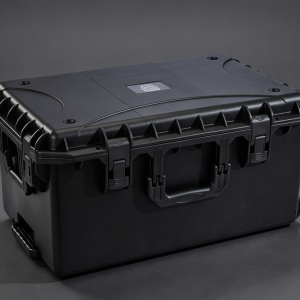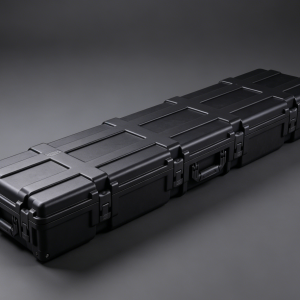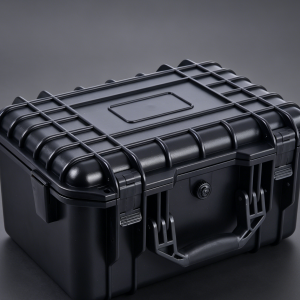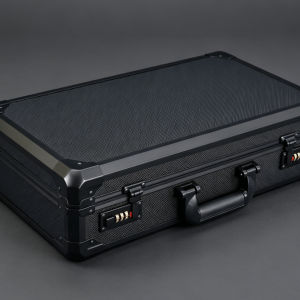
As an essential storage solution in daily work and industrial environments, the color design of a tool box serves purposes far beyond aesthetics. Different tool box colors fulfill multiple functions, including organization, safety, and brand identification. Various colors help users quickly distinguish between tool categories, work environments, or departments, while also improving visibility and reducing the risk of misplacement. In businesses, factories, and construction sites, color-coded tool boxes facilitate classification and management, improve work efficiency, and meet personalized or branding requirements.
The Significance of Tool Box Colors
The color of a tool box is typically determined by its surface finishing process, including painting, baking paint, powder coating, or anodizing. Color selection affects not only appearance but also functionality and psychological perception.
Functional Classification:Different colors can be used to distinguish different types of tools or equipment, such as electrical tools, mechanical tools, or precision instruments.
Improved Visibility:In low-light conditions or outdoor construction environments, bright-colored tool boxes are easier to identify and locate.
Brand Recognition:Companies can use specific colors to represent their brand image or create a unified visual identity throughout a factory or workplace.
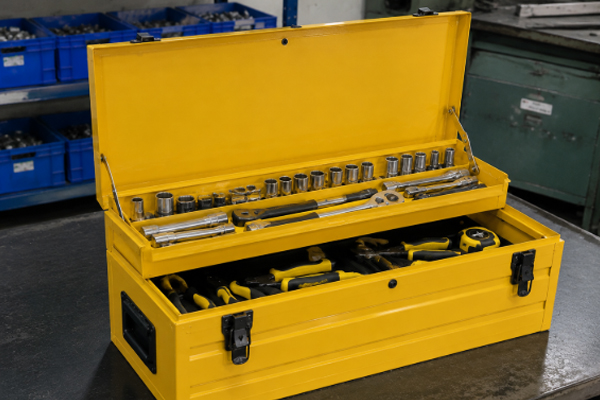
Safety and Warning Purposes:Red or yellow tool boxes are often used for hazardous tools or high-risk operational environments to remind users to pay attention to safety.
Therefore, tool box colors are not merely an aesthetic choice but also a reflection of professional functionality and safety management.
How Are Colors Applied to Tool Boxes?
The implementation of color on tool boxes requires strict control throughout the design, process selection, and manufacturing stages.
Design Stage:
Color schemes are determined according to the intended application, operating environment, and branding requirements. For example, outdoor construction tool boxes often use bright colors to improve visibility, while laboratory instrument cases may use more subdued colors to convey professionalism.
Material Selection:
Different aluminum and steel materials require different surface treatment methods. Aluminum tool boxes commonly use anodizing or powder coating processes to achieve uniform and durable color finishes.
Surface Treatment Processes:
- Painting / Powder Coating
Through electrostatic application, paint or powder coating is evenly distributed across the tool box surface and then cured at high temperatures. This process creates a wear-resistant and corrosion-resistant protective layer while providing color.
- Anodizing
An oxide layer is formed on the aluminum surface, allowing coloration while enhancing corrosion resistance and wear resistance.
- Baking Paint Process
Commonly used for steel tool boxes, this process involves applying paint followed by heat curing to create a durable color layer that improves both appearance and longevity.
- Inspection and Quality Control
After color application, inspections are conducted to evaluate color uniformity, adhesion, and wear resistance, ensuring that the finish is both attractive and durable.
What Are the Requirements for Tool Box Colors?
When designing and using tool boxes of different colors, several technical considerations must be addressed to ensure functionality and safety.
| Technical Item | Requirement | Main Function |
| Surface Treatment Process | Anodizing, powder coating, baking paint | Ensures long-lasting color, corrosion resistance, and wear resistance |
| Color Selection | Designed according to function, department, or brand | Quickly distinguishes tool categories and improves management efficiency |
| Visibility Design | Bright colors or contrasting colors | Improves recognition in complex environments |
| Adhesion Testing | Cross-cut, impact, or abrasion testing | Prevents color peeling and ensures long-term durability |
| Environmental and Safety Compliance | Non-toxic, low-VOC coatings | Meets industrial safety and environmental requirements |
Proper color selection not only enhances the appearance of a tool box but also fulfills practical needs such as rapid classification, workplace safety identification, and consistent brand presentation.
Frequently Asked Questions
Does the Color of a Tool Box Affect Its Durability or Cost?
The color itself does not significantly affect the structural strength of a tool box. However, different surface treatment processes can influence wear resistance and corrosion protection. For example, anodized aluminum tool boxes generally offer greater color durability and wear resistance. Powder coating provides a wider range of color options but may experience slight fading in high-friction environments.In terms of cost, standard colors are typically less expensive than custom colors. However, customized colors can provide additional brand value and improve identification efficiency.
Tool box color is about much more than appearance. It combines functionality, visibility, safety, and brand recognition. Bright colors make it easier to locate tools and distinguish their intended uses, while more neutral colors help convey a professional image. Modern tool boxes achieve uniform, durable, and corrosion-resistant finishes through processes such as powder coating, anodizing, and baking paint, while also meeting personalization and corporate branding requirements. Choosing the right tool box color can improve workplace efficiency and safety while supporting team management and company branding. When purchasing a tool box, it is important to consider not only the color itself but also the intended application, materials, and manufacturing process to ensure that the tool box is both durable and practical.