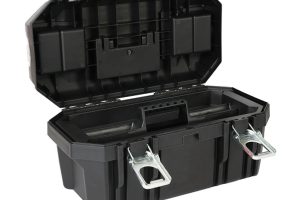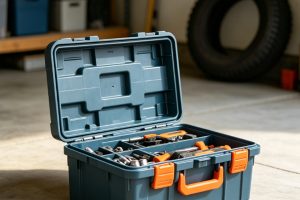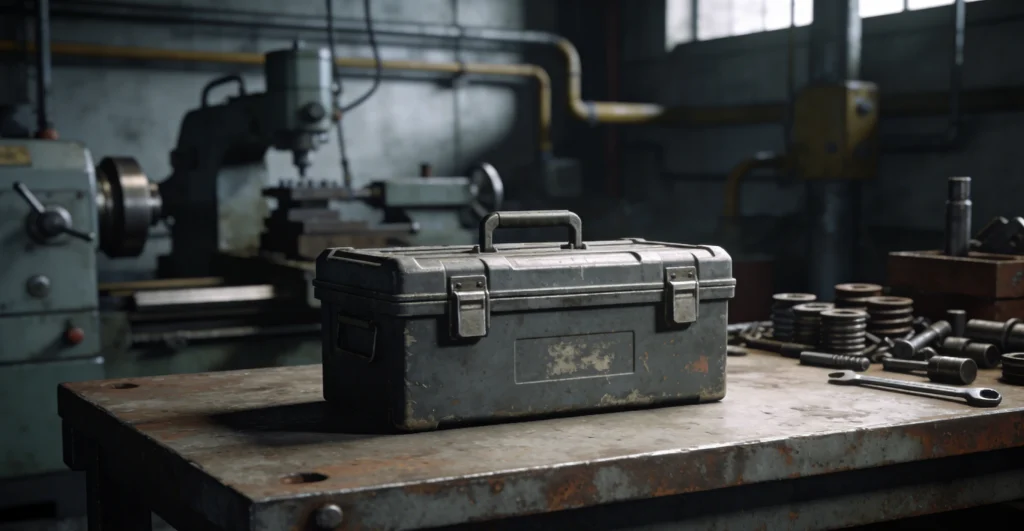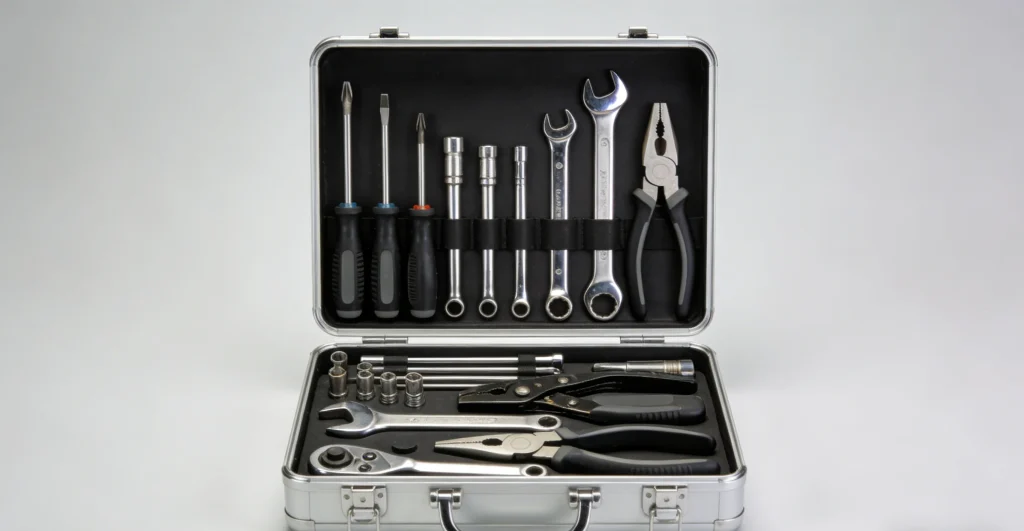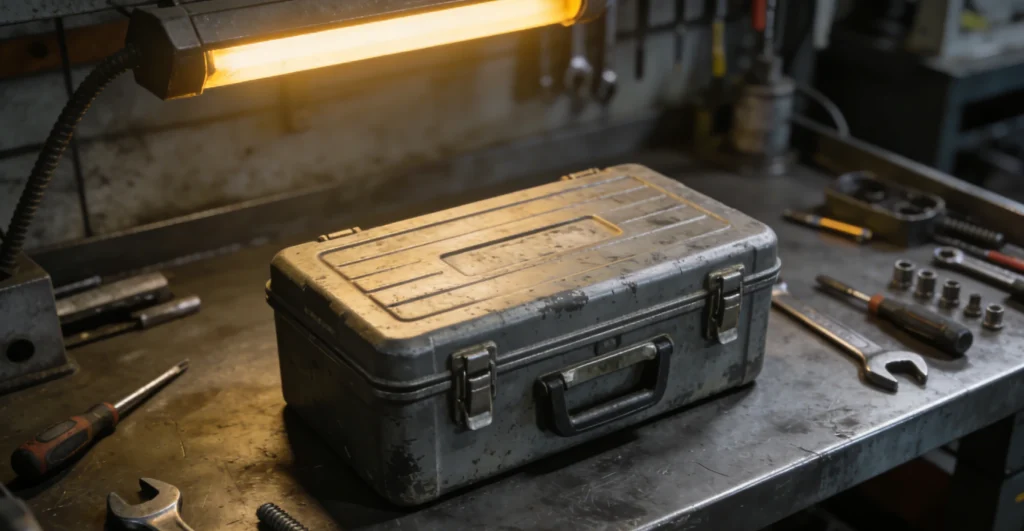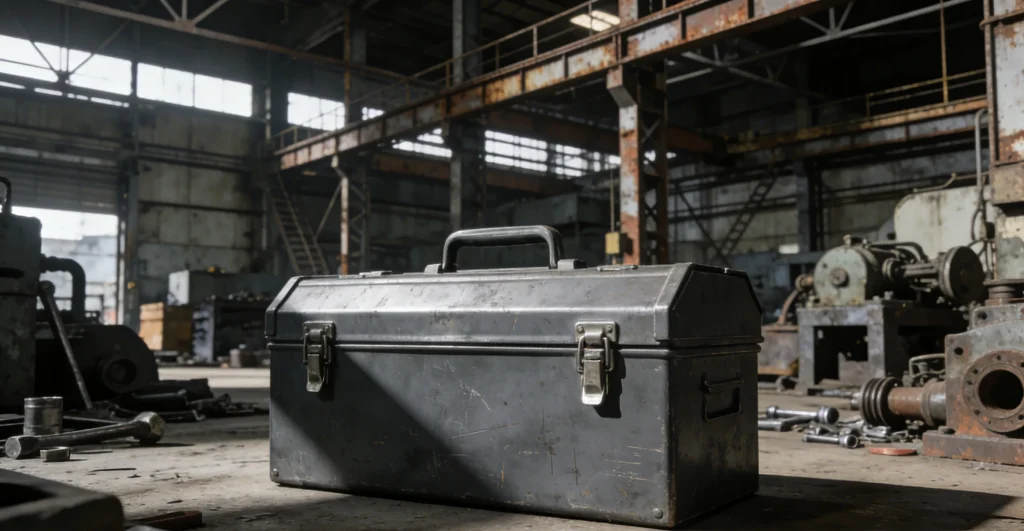
Lorry tool boxes are very common storage equipment in freight vehicles. They are mainly used to store repair tools, safety supplies, ropes, spare parts, and items that need to be carried during daily transportation. Since different types of lorries have different body structures, chassis space, and transportation requirements, the size of the tool box is not always better when it is larger. Choosing the right size can not only meet storage needs but also avoid affecting driving safety and the installation of other equipment. When purchasing tool boxes, users usually focus directly on length and capacity, hoping to buy a larger model at once to avoid insufficient storage space later. However, if the tool box is too large, it may cause problems such as unsuitable installation positions, occupying chassis space, and increasing vehicle weight. On the other hand, if the size is too small, tools may not be stored and classified properly, requiring additional storage containers during transportation.
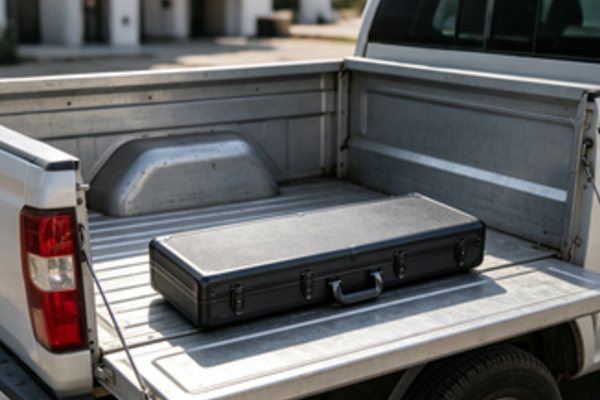
Therefore, when selecting lorry tool boxes, it is necessary to consider the vehicle type, installation location, number of tools, and usage habits. Different vehicle models are not always suitable for the same tool box size. For example, light trucks usually only need to store basic repair tools, while heavy-duty lorries may need to carry items such as jacks, wrench sets, electrical equipment, and protective supplies. After understanding your own needs, selecting a tool box with suitable length, width, and height can ensure that the tool box performs its actual function effectively.
Choose Tool Box Size According to Lorry Type
Compact Tool Boxes Are Suitable for Small Lorries
Small lorries, light trucks, and urban delivery vehicles usually travel shorter distances and carry relatively simple repair tools, such as screwdrivers, wrenches, tapes, gloves, and small repair parts. When installing tool boxes on these vehicles, there is no need to pursue excessive storage capacity. In general, small lorries can choose tool boxes with a length of around 400mm to 800mm, while the height and width should remain moderate.
This size can be installed on the side of the frame or behind the cab without affecting the vehicle’s ability to pass through narrow roads or occupying too much chassis space. If the vehicle is mainly used for urban delivery, it is recommended to choose a tool box with convenient opening and lightweight construction, allowing drivers to quickly access tools. Although oversized tool boxes provide more storage capacity, they may create unnecessary load pressure for light vehicles.
Medium and Heavy-Duty Lorries Require More Storage Space
Medium and heavy-duty lorries usually undertake long-distance transportation tasks. The vehicles operate for longer periods, and drivers need to carry more tools. In addition to common repair tools, they may also need spare parts, towing equipment, safety devices, and other supplies. These vehicles are generally suitable for tool boxes with lengths of around 800mm to 1500mm. Some large transport vehicles may even install multiple tool boxes to store different types of items separately. For example, one tool box can be used for repair tools, while another can store ropes, gloves, rainproof supplies, and other accessories. This arrangement can improve vehicle usage efficiency.
What Factors Should Be Considered When Choosing Size?
Determine the Size Based on Installation Location
Lorry tool boxes cannot be installed anywhere randomly. Common installation locations include the side of the chassis frame, behind the cab, underneath trailers, and areas near the cargo body. Different installation positions provide different available spaces. Before purchasing, it is necessary to measure the length, width, and height of the installation area to confirm whether the tool box can be properly fixed. At the same time, enough clearance should be reserved to prevent the tool box from contacting the tires, suspension system, or other vehicle components. Some lorry chassis structures are relatively complex, and failure to measure dimensions in advance may result in installation problems after purchase.
Determine Capacity Based on the Number of Stored Items
The size of a tool box mainly depends on what items need to be stored. If it is only used for basic repair tools, a small tool box can meet the requirements. However, if it needs to store larger equipment, such as:
- Long-handled wrenches and socket tool sets
- Jacks and tire repair equipment
- Battery cables and towing ropes
- Spare parts and safety equipment
Then a deeper and longer tool box should be selected to prevent tools from being stacked together. Proper internal space planning is more important than simply increasing the external size. Some tool boxes are designed with internal dividers, which can improve space utilization.
Select Opening Style Based on Usage Frequency
The size of the tool box should also match daily usage frequency. If drivers frequently need to access tools, a model with a moderate size and a larger opening is more suitable. If tools are mainly stored as backup equipment for long-term use, a larger-capacity tool box can be selected to reduce frequent organization and sorting.
Common Mistakes When Choosing Lorry Tool Box Sizes
Blindly Pursuing Large Capacity
An oversized tool box increases weight and requires more installation space. If the vehicle itself has limited space, a large tool box may affect the layout of other equipment. For example, after some light trucks install oversized tool boxes, the side of the vehicle may protrude too much, increasing the risk of collision when parking or passing through narrow roads.
Ignoring the Thickness of the Tool Box
In addition to external dimensions, the material thickness of the tool box also affects the internal storage capacity. For example, stainless steel tool boxes and aluminum alloy tool boxes with the same external dimensions may have different actual internal storage spaces. When purchasing, attention should be paid to the effective internal space rather than only the external dimensions.
Failing to Consider Future Tool Increases
Some users only consider their current number of tools when purchasing a tool box and do not consider the possibility of adding more equipment later. If the vehicle frequently performs long-distance transportation, it is recommended to reserve some extra space to avoid replacing the tool box in the future.
Frequently Asked Questions
Is a Bigger Lorry Tool Box Always Better?
No. The size of the tool box needs to match the vehicle space and actual requirements. An oversized tool box will increase weight and occupy installation space, while a tool box that is too small cannot meet storage needs. When choosing, users should consider the vehicle type, number of tools, and installation location.
What Size Tool Box Is Suitable for an Ordinary Freight Truck?
Ordinary freight trucks can usually choose tool boxes with a length of around 600mm to 1000mm. If transportation tasks are frequent and more repair equipment needs to be carried, a larger model can be selected. The specific size should still be determined according to measurements of the chassis installation area.
How Many Tool Boxes Does a Heavy-Duty Lorry Need?
Whether a heavy-duty lorry needs multiple tool boxes mainly depends on transportation requirements. Long-distance transport vehicles usually install two or more tool boxes to classify and store repair tools, auxiliary supplies, and safety equipment. This not only makes items easier to find but also prevents tools from becoming disorganized.
Choosing the right size lorry tool box requires comprehensive consideration of vehicle type, installation space, and actual storage requirements. Small vehicles are more suitable for lightweight and compact tool boxes, while medium and large transport vehicles require greater capacity to meet long-term transportation needs. When selecting a tool box, users should not only focus on length but also consider width, height, internal space, and installation method. Measuring the vehicle location in advance, organizing the tools that need to be carried, and then determining the appropriate purchase size can reduce inconvenience during later use. A properly sized tool box can help drivers better manage repair supplies, improve access efficiency, and maintain a reasonable vehicle space layout.