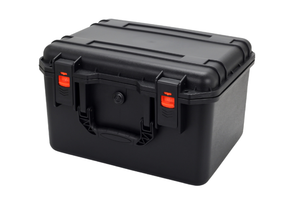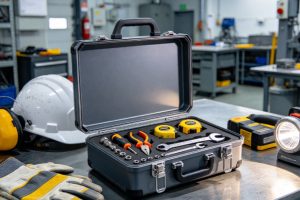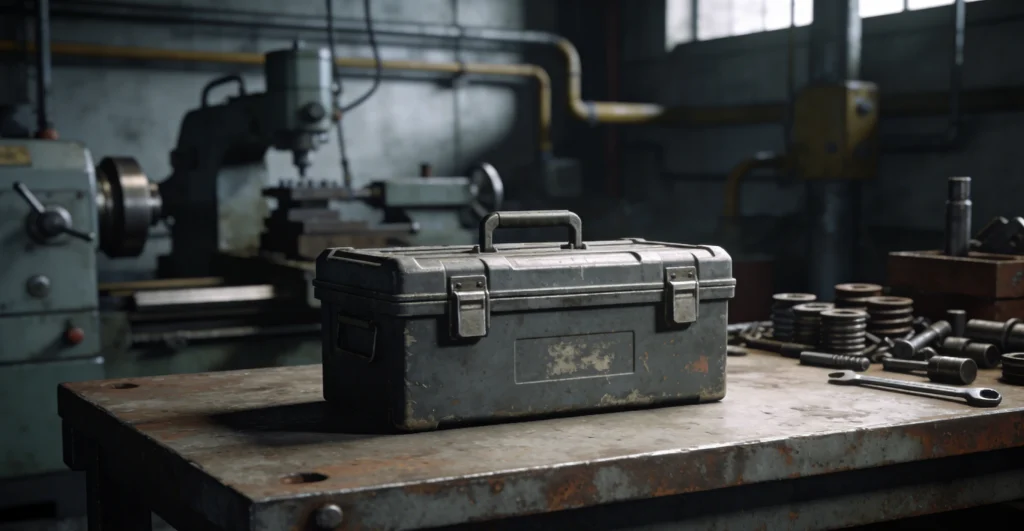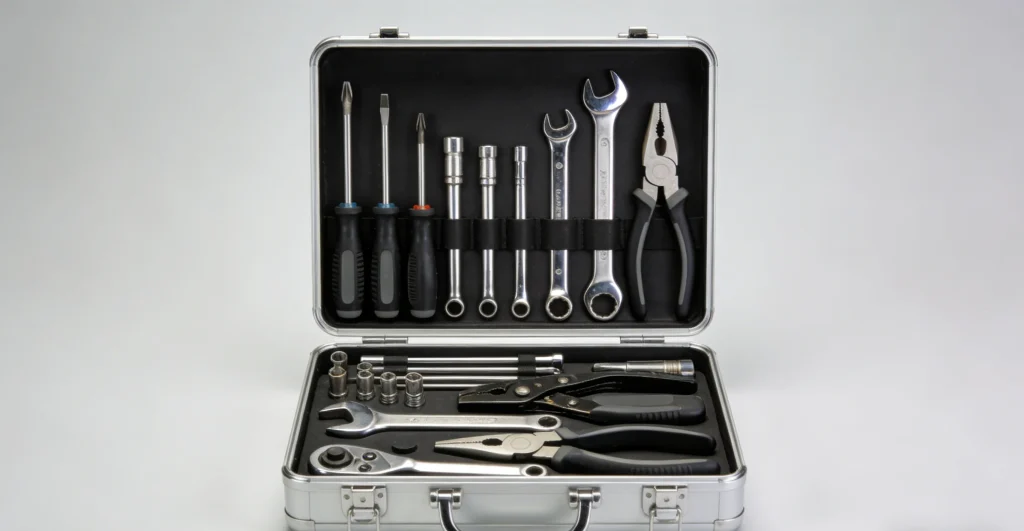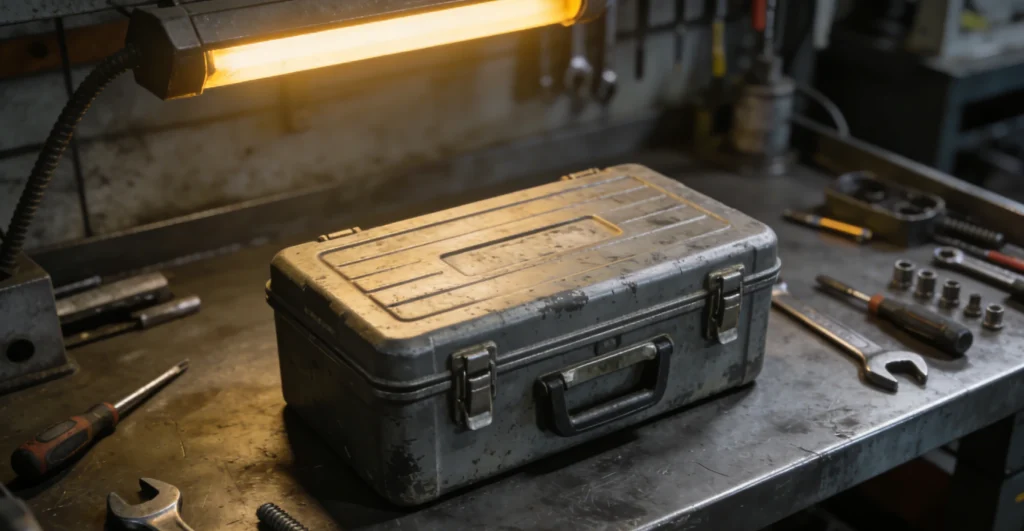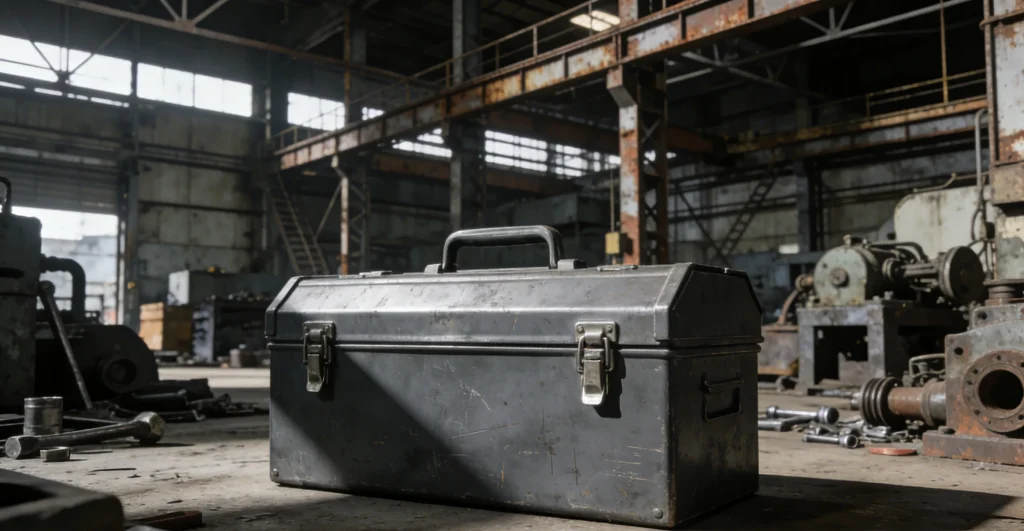
Lorry tool boxes are commonly used storage equipment during vehicle transportation. They can help drivers store repair tools, safety supplies, spare parts, and daily-use items. Since lorries are affected by road bumps, vehicle vibration, and cargo transportation pressure during operation, an improper tool box fixing method can easily cause loosening, abnormal noise, and in serious cases, the tool box may even fall off, affecting driving safety. A stable installation structure can not only extend the service life of the tool box but also reduce shaking problems during vehicle operation.
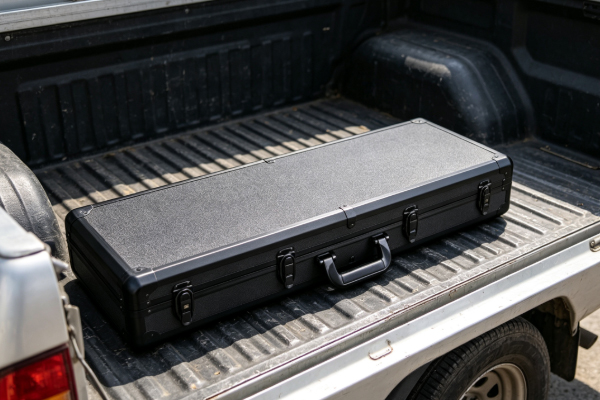
Different types of lorries have different fixing methods due to variations in frame structures, chassis space, and installation locations. Common installation positions for lorry tool boxes include the side of the frame, behind the cab, underneath trailers, and near the cargo body. During installation, suitable brackets, bolts, or fixing devices should be selected according to the vehicle structure while ensuring a stable connection between the tool box and the vehicle.
Common Fixing Methods for Lorry Tool Boxes
Fixing with Installation Brackets
Installation brackets are one of the most common fixing methods for lorry tool boxes and are suitable for most trucks and heavy-duty lorry models. The brackets are usually installed on the vehicle chassis or frame, and then the tool box is connected to the brackets with bolts. The advantage of this installation method is good stability while allowing convenient removal and maintenance later. When selecting brackets, suitable specifications should be chosen according to the weight of the tool box to prevent insufficient load-bearing capacity.
During installation, attention should be paid to the following points: The bracket size should match the bottom structure of the tool box; The fixing position should be selected on a stronger part of the frame; After installation, check whether the bracket has any shaking or looseness. If heavy tools such as large wrenches and repair equipment are stored inside the tool box for a long time, thicker brackets with stronger load-bearing capacity should be selected.
Direct Fixing with Bolts
Some lorry tool boxes use direct bolt fixing methods, where the tool box is connected to the vehicle structure through mounting holes. This method has a simple structure and low installation cost, making it suitable for lighter tool boxes. During installation, bolts with suitable strength should be used together with washers, lock nuts, and other components to improve connection stability. Since vehicles experience continuous vibration during long-term operation, ordinary nuts may become loose. Therefore, after installation, the condition of the bolts should be checked regularly.
Fixing with Clamps or Clamping Bands
For some vehicles where drilling holes is inconvenient, clamps or clamping bands can be used for fixing. This method does not damage the original vehicle structure, provides more flexible installation, and is suitable for temporary installation or situations where the tool box needs to be removed frequently. However, clamp fixing requires sufficient contact area. Otherwise, the tool box may slide when the vehicle experiences vibration.
What Details Should Be Considered When Installing Lorry Tool Boxes?
Confirm the Installation Position in Advance
Before installing a lorry tool box, it is necessary to confirm the available space on the vehicle to avoid affecting the operation of other components after installation. For example, when installing on the side of the frame, check whether the tool box is too close to the tires, exhaust system, or suspension components. If the distance is insufficient, friction or high-temperature effects may occur during vehicle operation.
A suitable installation position should meet the following requirements:
- Does not affect normal steering and driving
- Does not interfere with vehicle maintenance inspections
- Allows convenient access to items after opening the box door
Choose Suitable Fixing Materials
The fixing effect of a tool box is directly related to the materials used. Ordinary small tool boxes can use standard steel brackets, while large tool boxes require thicker metal support components.
Common fixing materials include:
- Stainless steel bolts
- High-strength steel brackets
- Lock nuts
- Rubber shock-absorbing pads
Among them, shock-absorbing pads can reduce the impact of vehicle vibration on the tool box while also lowering noise caused by metal connections during driving.
Perform Inspection and Testing After Installation
After the tool box is installed, it is not recommended to immediately put it into long-term use. A simple inspection should be carried out, such as gently shaking the tool box to confirm whether there is obvious looseness. If the tool box moves, produces abnormal noise, or the fixing points become deformed after installation, adjustments should be made in time.
How to Choose the Fixing Method for Different Lorry Tool Boxes?
The fixing method of a lorry tool box should be selected according to the vehicle’s purpose. Different transportation environments have different requirements for tool box stability.
Urban Delivery Vehicles
Urban delivery vehicles usually travel shorter distances every day and operate under relatively stable road conditions. The tool boxes on these vehicles generally store lightweight repair supplies. These vehicles can use simple bracket and bolt fixing methods, with the main focus being ensuring that the tool box does not affect vehicle operation.
Long-Distance Transport Vehicles
Long-distance logistics vehicles operate for longer periods every day and need to handle situations such as high-speed driving and uneven roads. Therefore, higher requirements are placed on tool box fixing. It is generally recommended to use reinforced brackets and add anti-loosening structures to prevent connection components from becoming loose due to long-term vibration.
Engineering Transport Vehicles
Engineering vehicles often enter construction sites or areas with complex road conditions, where they experience stronger vibration. When installing tool boxes on these vehicles, fixing structures with strong load-bearing capacity should be selected, along with additional shock absorption measures to improve tool box stability.
Frequently Asked Questions
Can a Lorry Tool Box Be Fixed Directly by Welding?
Yes, but it needs to be evaluated according to the vehicle structure. Welding provides high fixing strength, but later removal is more difficult, and the welding area needs proper rust prevention treatment. For tool boxes that require long-term fixed installation, welding can be considered. If the installation location may need to be changed later, bolt fixing is more convenient.
Why Does the Tool Box Shake After Installation?
Tool box shaking is usually related to loose fixing parts, insufficient bracket strength, or improper installation positions. Continuous vibration during long-term vehicle operation can gradually affect connection components. Therefore, it is necessary to check whether bolts are loose and whether the brackets have become deformed.
Are Shock-Absorbing Pads Needed When Fixing a Tool Box?
It is recommended to add shock-absorbing pads. Lorries generate significant vibration during driving, and shock-absorbing pads can reduce impacts on the tool box while also lowering noise caused by metal connections.
Fixing a lorry tool box may seem simple, but the actual installation process requires consideration of vehicle structure, tool box weight, and transportation environment. A stable fixing method can reduce tool box loosening problems and prevent equipment damage caused by long-term vibration. During installation, suitable brackets and connection components should be selected, the installation position should be confirmed to avoid affecting vehicle operation, and the fixing condition should be checked regularly during use. For ordinary vehicles, bracket installation combined with bolt fixing can be used. For long-distance transport vehicles or heavy-load vehicles, reinforced fixing structures are required to improve overall stability. A securely installed lorry tool box can not only help drivers manage tools more conveniently but also allow vehicles to maintain better operating conditions during daily transportation. Through proper installation and regular maintenance, the tool box can provide long-term storage and auxiliary repair functions.