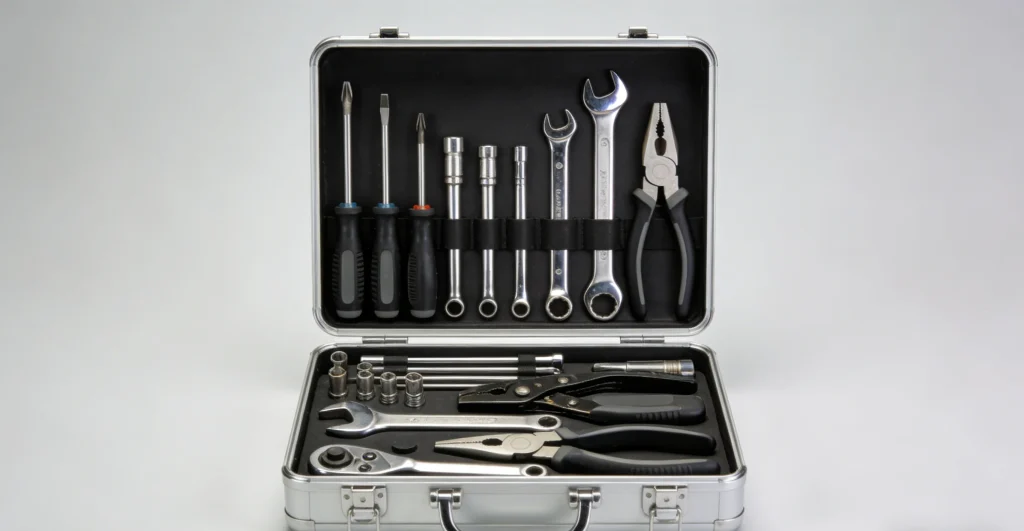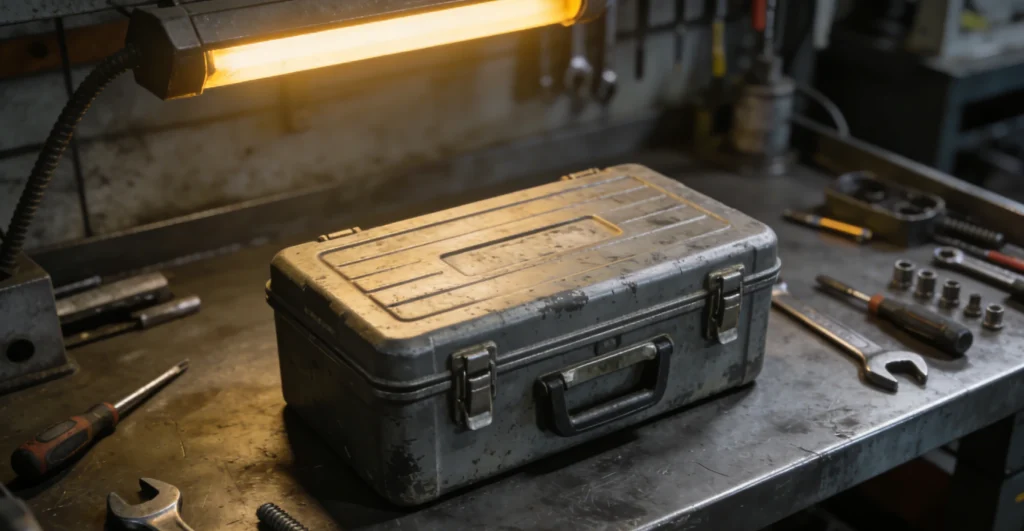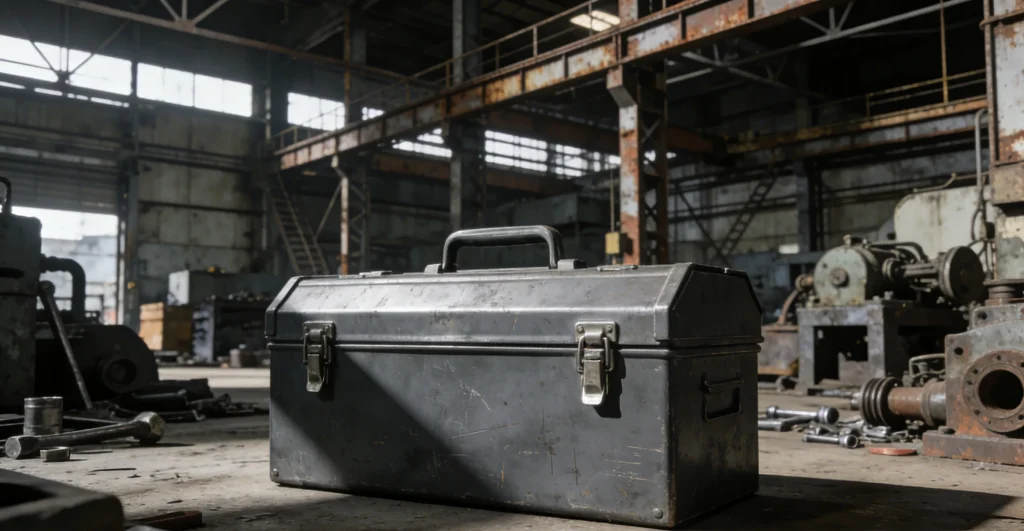
When choosing tool storage equipment, many people first focus on capacity, but what truly affects the user experience is often the way it moves, the internal structure, and the intended use scenario. A tool box is not necessarily better just because it is larger; what matters is whether you need frequent mobility, on-site work, or only simple repairs. Both rolling tool boxes and regular tool boxes can store tools, but they differ significantly in transport efficiency, organization methods, and long-term usability. For anyone looking to improve work efficiency and reduce the time spent searching for tools, understanding the differences first and then choosing the right tool box is usually more practical than simply pursuing larger capacity.
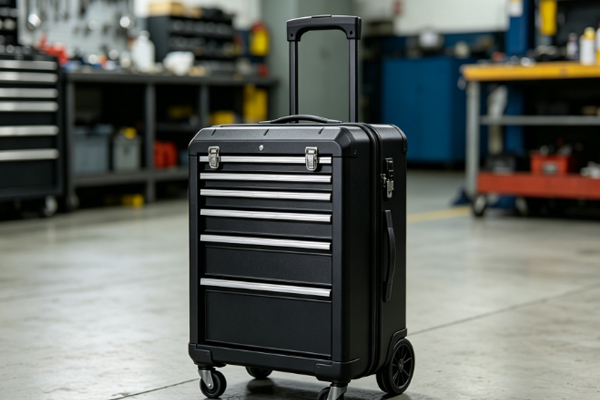
Different Mobility Methods Determine the User Experience
When a tool box needs to move with changing work locations, the way it moves directly affects efficiency and physical effort. This is also the most obvious difference between the two.
Rolling Tool Box: Easier to Move by Pushing
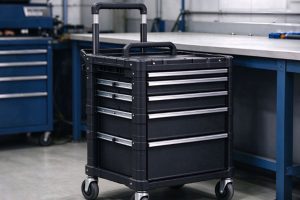
The biggest feature of a rolling tool box is that it turns “carrying” into “pushing.”
- Suitable for heavy loads: With wheels on the bottom, even when filled with wrenches, sockets, and power tools, it can still be moved relatively easily. It is especially suitable for work that requires frequent movement between workshops and repair stations.
- Reduces physical strain: Compared with a hand-carry tool box, the rolling design significantly lowers the burden of transport. It is easier to use over long periods and allows the user to focus more energy on the actual task.
- More stable during movement: Under suitable floor conditions, pushing is easier to balance than carrying by hand, and tools are less likely to collide or scatter due to shaking.
A rolling tool box is better suited for environments with heavier tools and frequent movement, especially in fast-paced work settings with high tool usage frequency.
Regular Tool Box: More Direct to Carry
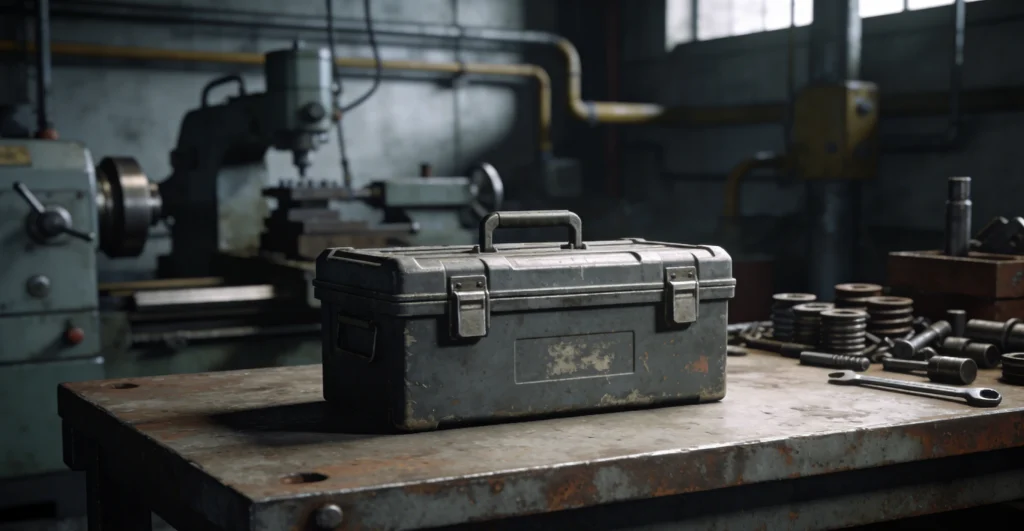
A regular tool box does not have wheels, but it is still very convenient in lightweight use scenarios.
- Suitable for short-distance use: With a simple structure, it is easy to pick up and go, making it ideal for home repairs, temporary inspections, and situations with fewer tools and shorter travel distances.
- Easy to carry quickly: If you only need to bring a few common tools outside, a regular tool box is lighter and takes up less space, making it convenient to place in a car or cabinet.
- More straightforward to use: There is no need to consider pushing routes or floor flatness. Tools can be accessed immediately after opening, making it simple and suitable for temporary tasks.
A regular tool box is better for lightweight carrying and temporary use, especially for users with fewer tools and simpler work scenarios.
Different Storage Structures Affect Organization Efficiency
A truly useful tool box is not only about “fitting everything in,” but also about keeping tools organized, easy to find, and clearly categorized.
Rolling Tool Box: Clearer Layered Organization
Rolling tool boxes usually have more detailed internal structures, which is one of the main reasons they are suitable for professional settings.
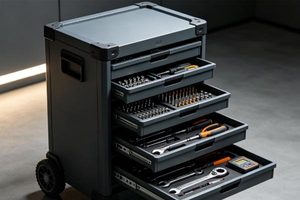
- Drawer-style design is more practical: Many rolling tool boxes use multiple drawers or partitioned sections, allowing hand tools, consumables, and small parts to be stored separately so that each category has a clear place.
- Helps build good tool habits: Frequently used tools can be placed in the upper drawers and spare tools in the lower ones, making the workflow smoother and helping keep the workbench tidy.
- Reduces mixing and clutter: Once different types of tools are stored in their proper places, they are less likely to press against each other, which also lowers the risk of losing or damaging parts.
This clear categorization helps rolling tool boxes maintain higher organization efficiency over long-term use and better meets professional users’ expectations for order and operational efficiency.
Regular Tool Box: Simple Structure but Limited Capacity
The advantage of a regular tool box is its simplicity, but it also has certain limitations in tool management. It usually uses a single-box structure with fewer internal compartments, making it suitable for storing a small number of commonly used tools. As the number of tools increases, they can easily become mixed together, and finding what you need may require repeated searching. Because of its limited categorization space, a regular tool box has relatively limited storage efficiency and expansion capability, making it more suitable for lightweight use scenarios with fewer tool types.
Different Use Scenarios Mean the Choice Depends on Work Intensity
Different tool boxes are not simply about being “big” or “small,” but about different work rhythms, usage frequencies, and on-site environments.
Rolling Tool Box: Better for Professional Repairs
The rolling tool box was designed to serve professional environments where there are many tools, frequent movement, and a fast work pace.
- Suitable for automotive repair and equipment maintenance: These tasks usually involve many tools, mixed accessories, and frequent movement. A rolling tool box can centralize commonly used tools and improve on-site efficiency.
- Better matches workshop rhythm: In repair shops, factories, or engineering sites, the tool box needs to move with the worker. A wheel-based structure is more convenient than repeated lifting and carrying, and it better suits continuous work.
- Convenient for centralized accessory management: Small parts such as screws, washers, and bits can also be stored together, reducing scattering and loss.
A rolling tool box is more suitable for professional work scenarios that demand high efficiency and organization, and it can maintain stable tool management even in complex environments.
Regular Tool Box: Better for Home Use and Light Tasks
A regular tool box is still very practical in everyday life, especially for users with fewer tools.
- Suitable for everyday small repairs: When installing furniture, tightening screws, or doing simple maintenance, a regular tool box is already enough.
- Takes up less space: For people with limited storage space at home, a small tool box is easier to store and easier to grab when needed.
- Lower barrier to use: No complicated planning is needed; just open it and use it. It is more suitable for ordinary home users and better matches the habits of temporary repairs.
A regular tool box is better for light tasks and basic repair needs, providing enough convenience and practicality in simple scenarios.
Different Long-Term Value Relates to Return on Investment
A tool box is not just a storage container; it also affects the efficiency of future tool management and maintenance costs.
Rolling Tool Box: Better for Long-Term Management
If tools keep increasing, or if the usage scenario is relatively fixed, the long-term value of a rolling tool box becomes more obvious. It can not only hold more tools, but also keep different tools organized through layered drawers and categorized storage. As time goes on, users can adjust drawer allocation according to tool usage frequency, placing commonly used tools in more convenient positions and storing spare tools together, making the entire storage system better aligned with actual work habits. This design not only improves daily efficiency but also makes tool management more sustainable, making it suitable as a long-term tool management solution.
Regular Tool Box: Better as a Basic Backup
Although a regular tool box is relatively simple in function, it still has value in low-frequency use scenarios. Its cost is usually lower, so if it is only used occasionally, it offers better value for money. At the same time, it is also very suitable as a supplementary storage option, placed at home, in a car, or at a backup workstation to serve as temporary tool storage. Because of its simple structure, a regular tool box is also easier to clean and organize on a daily basis, making maintenance more convenient. It is especially suitable for users who do not have high storage requirements but want tools to be readily available.
A rolling tool box is better suited for professional scenarios with many tools, frequent movement, and long-term categorized management, while a regular tool box is better for lightweight carrying and basic storage. Choosing the right tool box makes tools easier to find and work smoother. If you are looking for a solution that combines capacity, durability, and mobility, SIPHIA BOX offers rolling tool box options worth exploring at siphiabox.com.