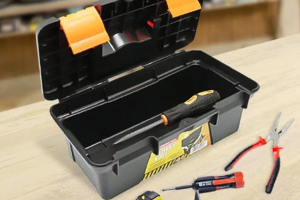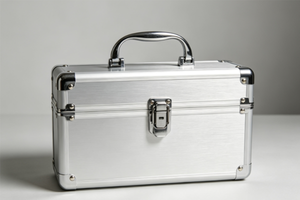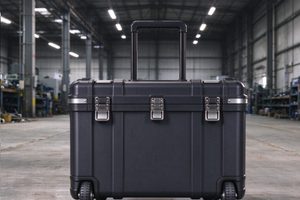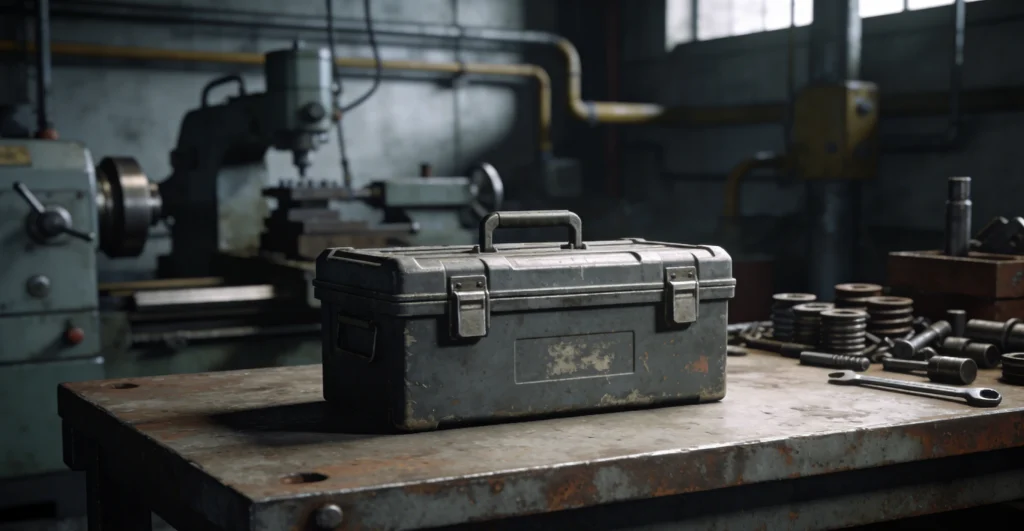
In repair, assembly, and everyday organization, a tool box is no longer just a storage container—it is an important piece of equipment that affects efficiency. For users who frequently work with multiple tools, the value of a Stackable Tool Boxes lies in combining storage, classification, and mobility, making tool management more organized and easier to expand later. Compared with traditional single-box storage, it is better suited to scenarios where the number of tools keeps growing. If you are looking for a more practical tool storage solution, the following key points can help you find the right product more quickly.
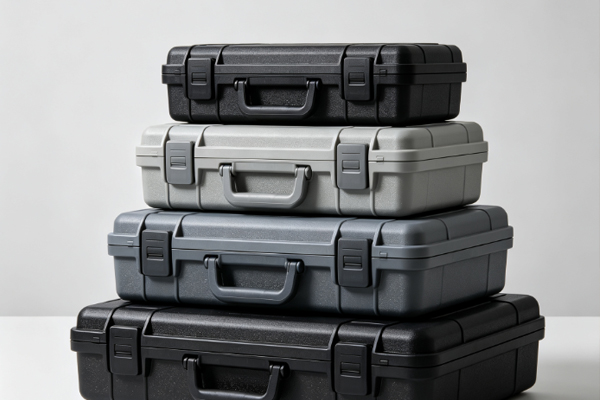
Check whether the capacity and stacking method match your needs
The core value of a Stackable Tool Boxes is that it can be freely combined according to the number of tools. When purchasing, do not only look at the size of a single box; pay more attention to whether the overall combination fits your usage habits and storage needs.
When you have fewer tools, lightweight modules are more practical
If you mainly use basic repair tools, a small-capacity module is usually enough.
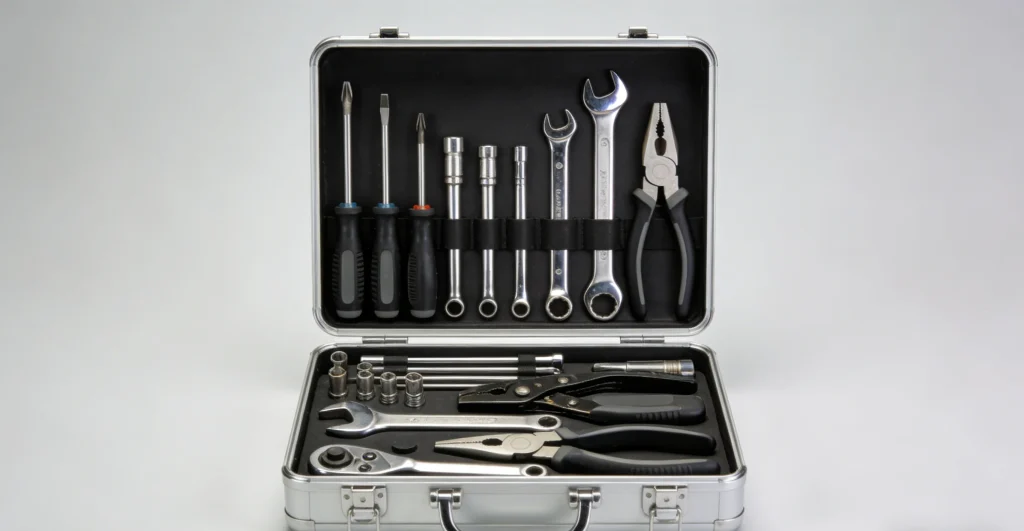
- This type of tool box is suitable for storing common tools such as screwdrivers, pliers, and wrenches, making daily repairs very easy to access.
- A single box is lighter, so it does not feel burdensome when moving it, and it is also more convenient to carry outside.
- Its relatively compact size means it will not take up too much space in a home garage, storage room, or workbench corner.
Lightweight modules are more suitable for users who do not have many tools but want clear storage and convenient use.
When you have more tools, prioritize expandable combinations
If you need to manage power tools, accessories, and consumables at the same time, a combination that supports continuous stacking will be more practical. As the number of tools increases, a single box can easily run out of space, while an expandable structure allows you to add modules as needed without replacing the entire set at once. Different boxes can also be managed by layer according to purpose, so commonly used tools, spare accessories, and small parts each have their own place, making them faster to find and easier to organize. For repair shops, auto repair stores, and industrial sites, this approach is more suitable for long-term use.
Check whether the internal structure makes classification easy
A good Stackable Tool Boxes is not only about a neat appearance; more importantly, its internal design should help users find tools quickly.
Drawer-style design is better for detailed classification
Drawer-style Stackable Tool Boxeses are suitable for users who need frequent organization and have high requirements for tool classification.
- Small parts, bits, and measuring tools can be stored separately to avoid being mixed together and becoming hard to find.
- Frequently used tools can be placed on the upper layer or in a more accessible position, making them easier to use.
- This structure helps reduce lost items and mixed storage problems, making the workflow more orderly and saving time.
Drawer-style design is especially suitable for professional repair scenarios because it minimizes the time spent “looking for tools.”
Open or large-capacity boxes are better for larger tools
If you often carry larger tools, you can choose a box with more spacious storage.
- Large tools such as drills and impact wrenches are easier to store without feeling cramped.
- This type of box is suitable for temporary repairs and quick access, especially in work environments that require frequent movement.
- If paired with divider boxes or storage trays, tool classification becomes clearer and the user experience improves.
Large-capacity boxes emphasize flexibility and are suitable for work scenarios that require quick response.
Choose the most suitable type according to the usage scenario
Different scenarios place very different demands on a tool box. Choosing based on actual use is the only way to truly take advantage of a Stackable Tool Boxes.
Professional repair scenarios value efficiency more
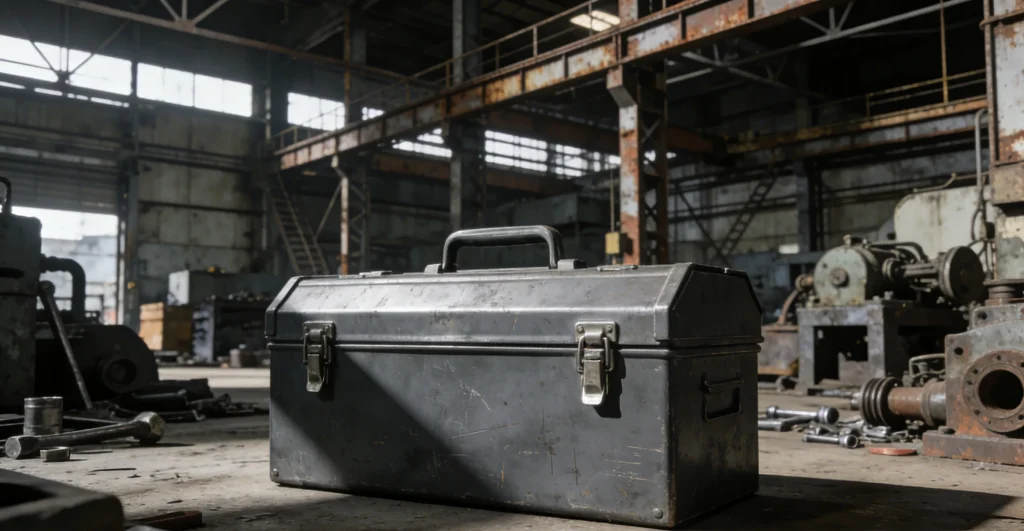
In auto repair, equipment maintenance, and factory workshops, a tool box must not only store tools but also improve work efficiency. Since these environments usually require frequent workstation changes, quick access to tools, and a tidy workspace, mobility, classification ability, and stacking flexibility are all important. If commonly used tools can be centrally managed, it not only reduces search time but also makes the repair process smoother. For professional users, a Stackable Tool Boxes with a clear structure and easy access is often more valuable than simply pursuing large capacity.
Home and light-duty use value convenience more
If it is only for everyday home repairs, choosing an overly complicated tool box may not be practical.
- A moderately sized tool box is easier to store and will not take up too much home space.
- A simple structure and easy access make it suitable for temporary furniture repairs, accessory installation, or small maintenance tasks.
- For home users, balancing price, function, and practicality is often more important than “the more features, the better.”
Home users are better suited to lightweight, easy-to-use, and cost-effective Stackable Tool Boxeses.
Do not overlook material, load-bearing capacity, and long-term expandability
A Stackable Tool Boxes is not a short-term item. Its material and structural stability directly affect its service life and future experience.
Material determines durability
High-quality materials allow the tool box to maintain stable performance during long-term use while also protecting the tools inside better.
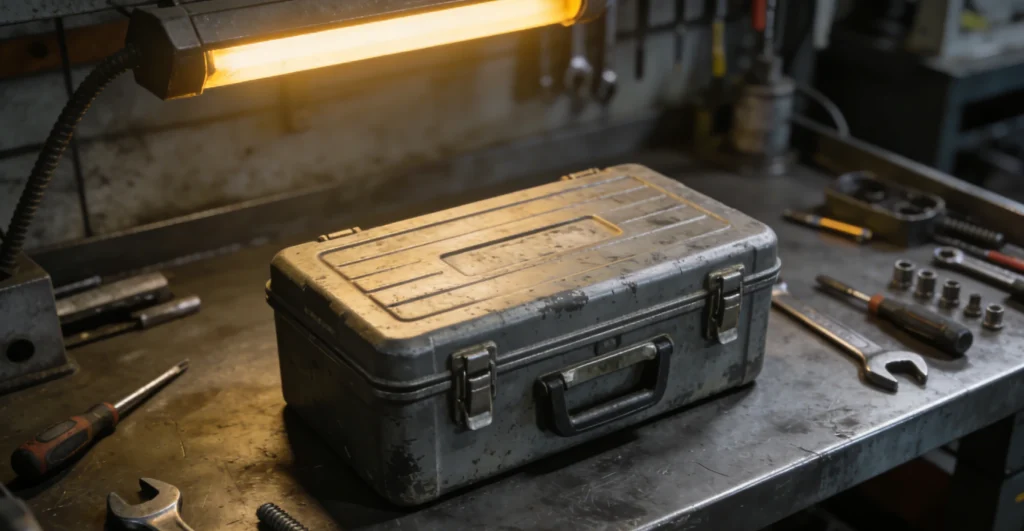
- More impact-resistant materials are suitable for workshops and construction sites, and they are less likely to be damaged during frequent movement.
- A box with stronger load-bearing capacity is less likely to deform after stacking, making it safer when storing more tools.
- Reliable materials can also reduce wear on internal tools, helping them stay in better condition over time.
The more stable the material, the more reliable the tool box will be in high-frequency use environments.
The connection structure determines the long-term experience
Whether a Stackable Tool Boxes is truly easy to use also depends on whether the modules are firmly connected and whether the combination is flexible.
- A secure connection structure is less likely to loosen during movement, making it safer and more reassuring to use.
- Flexible module combinations allow users to adjust the setup at any stage according to their needs.
- This design is more suitable for long-term upgrades and can continuously increase overall value as the number of tools changes.
A stable connection structure not only affects safety but also determines the future expansion potential of the tool box.
Choosing the right Stackable Tool Boxes is not about blindly pursuing large capacity, but about making a comprehensive judgment based on the number of tools, usage scenarios, internal classification, and future expansion needs. For users who want to improve storage efficiency, reduce tool clutter, and create a more professional working environment, a well-designed tool box can bring a noticeable change. SIPHIA BOX focuses on high-quality tool storage solutions and offers Stackable Tool Boxes options that are better suited for long-term use, helping you manage tools more clearly and efficiently while also making it easier to improve the overall work experience and purchase conversion.