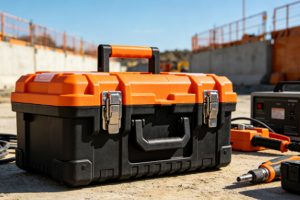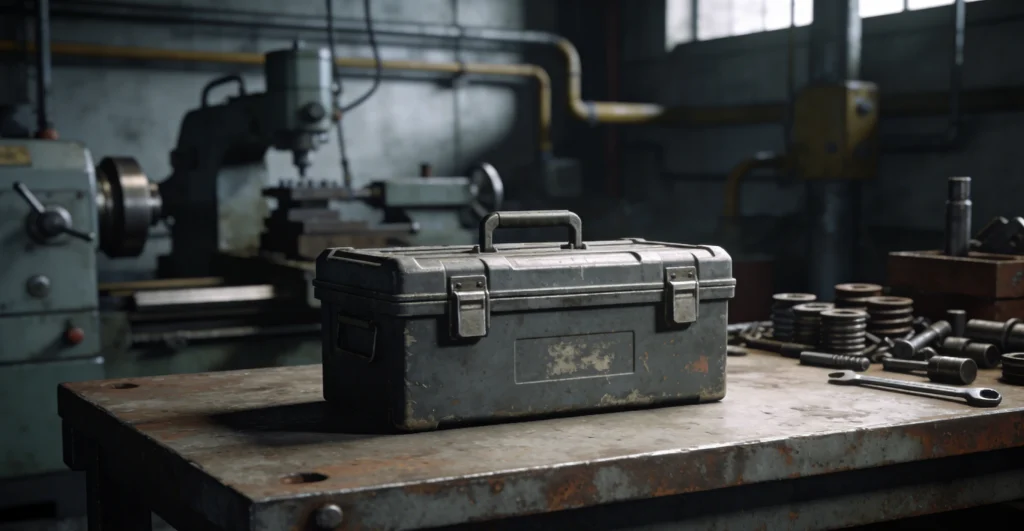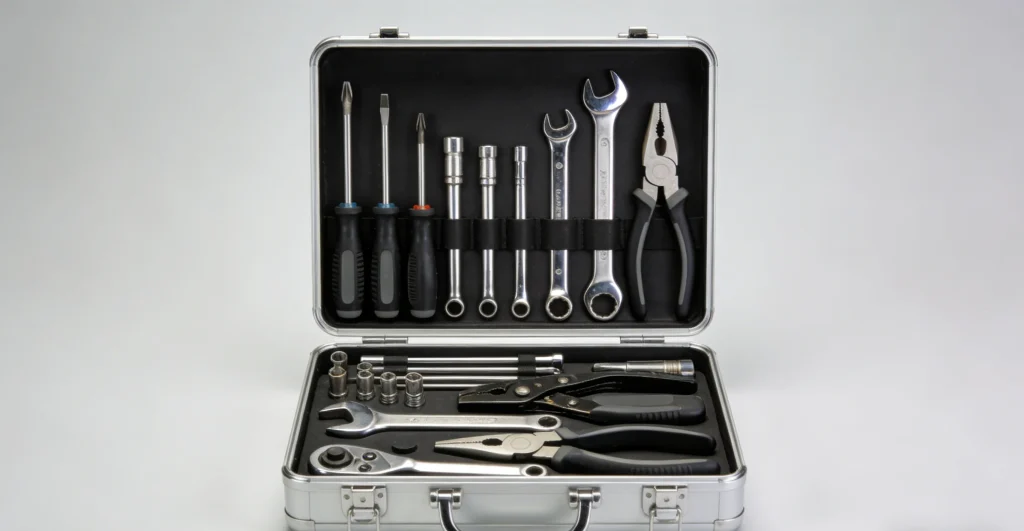
Musical instruments are frequently moved between homes, rehearsal studios, classrooms, concert venues, and storage locations. Every stage of transportation introduces the possibility of vibration, accidental impacts, and pressure that could damage delicate components. Whether carrying a guitar, violin, saxophone, keyboard, or other valuable instrument, a well-designed instrument case plays a vital role in protecting it. Modern instrument cases are no longer simple storage containers. They combine reinforced shells, shock-absorbing materials, secure internal support, and ergonomic construction to create a safer environment for musical equipment. Choosing an instrument case with an effective shockproof design helps minimize transportation risks, improves long-term instrument protection, and provides greater confidence for musicians who travel frequently.
Shockproof Design Reduces Damage During Transportation
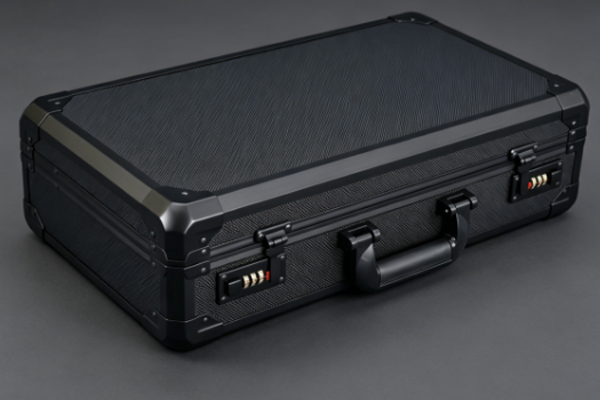
Musical instruments are often exposed to road vibrations, accidental drops, loading pressure, and repeated handling during transportation. Without sufficient protection, delicate components such as guitar necks, violin bodies, saxophone keys, or keyboard mechanisms may suffer costly damage. High-quality instrument cases are designed with rigid outer shells and internal shock-absorbing layers that work together to distribute external impact forces before they reach the instrument. Carefully engineered interior supports hold the instrument securely in place, preventing unnecessary movement inside the case. This stable environment greatly reduces friction, vibration, and collision during travel. Whether transporting equipment by car, truck, airplane, or courier service, a shockproof instrument case provides dependable protection that helps preserve both the appearance and performance of valuable musical instruments.
Shock-Absorbing Materials Improve Overall Protection
The protective performance of an instrument case depends not only on its hard exterior but also on the quality of its internal cushioning materials. Modern shockproof cases combine different materials to maximize impact absorption while maintaining long-term durability.
Common shock-absorbing materials include:
- High-density foam padding: Absorbs impact energy and minimizes direct shock to the instrument.
- EVA cushioning layers: Provide excellent elasticity and pressure resistance while maintaining their shape over time.
- Soft velvet or plush lining: Protects instrument finishes from scratches while adding extra cushioning.
- Custom-molded interior compartments: Hold instruments securely in place and reduce movement during transportation.
When these materials are combined effectively, they create a complete protection system that performs well during daily carrying, vehicle transportation, and long-distance shipping. For expensive musical instruments, premium cushioning materials help extend service life while reducing the possibility of costly repairs.
Reinforced Construction Improves Long-Term Stability
In addition to interior padding, the structural design of an instrument case has a major influence on its shockproof performance. Reinforced frames, strengthened corners, and multi-layer shell construction improve resistance against heavy pressure and repeated impacts. These features help the case maintain its structural integrity even after years of frequent use.
Inside the case, specially designed support areas keep the instrument balanced throughout transportation. Stable positioning reduces vibration and prevents internal movement that could damage delicate components. Professional musicians who regularly perform, travel, or tour benefit greatly from this type of reinforced construction because it provides dependable protection under demanding conditions. High-quality structural design also reduces the likelihood of loose hinges, damaged handles, or weakened locking mechanisms after prolonged use, making the case a reliable investment for long-term instrument protection.
Shockproof Instrument Cases Perform Well in Different Environments
Different situations require different levels of protection, and shockproof instrument cases are designed to perform reliably under a wide variety of conditions. Selecting the right case according to the intended application helps maximize safety while improving convenience.
Typical usage scenarios include:
- Daily practice and music lessons: Protects instruments from accidental bumps during regular transportation.
- Stage performances and rehearsals: Provides reliable protection while equipment is frequently loaded, unloaded, and moved.
- Long-distance transportation and shipping: Reduces damage caused by road vibration, cargo handling, and external pressure.
- Long-term home storage: Helps protect instruments from minor impacts and maintains a stable storage environment.
Choosing a shockproof instrument case that matches specific usage requirements allows musicians to better protect their equipment while improving convenience during everyday activities and professional performances.
Shockproof Design Increases the Long-Term Value of Instrument Cases
An effective shockproof design benefits not only the instrument but also the durability of the case itself. Premium instrument cases are manufactured using wear-resistant materials, reinforced hardware, and carefully engineered structural components that remain stable after years of frequent transportation. High-quality shock-absorbing materials retain their cushioning performance over time instead of quickly losing elasticity. Durable hinges, secure locking systems, and reinforced handles further improve reliability during continuous use.
For professional performers, music schools, rental companies, and instrument collectors, investing in a well-designed shockproof instrument case helps reduce maintenance costs while extending the lifespan of valuable equipment. As demand for reliable instrument protection continues to grow, advanced shockproof technology has become one of the most important features of modern instrument cases. A durable, well-built case provides musicians with confidence that their instruments will remain protected wherever their music takes them.