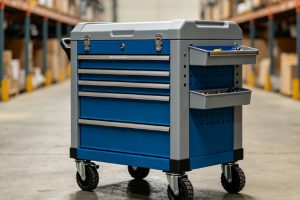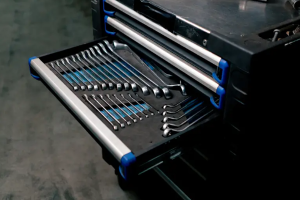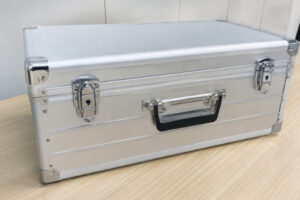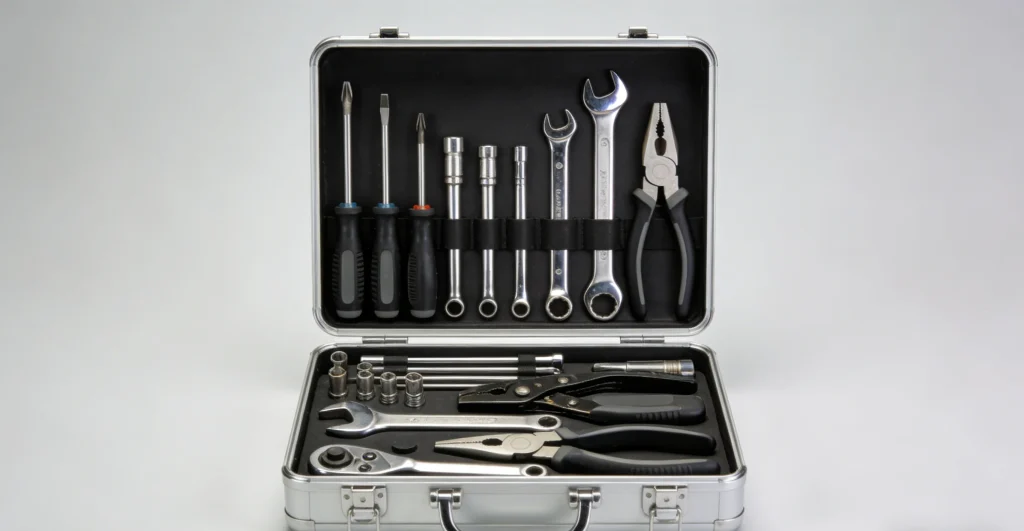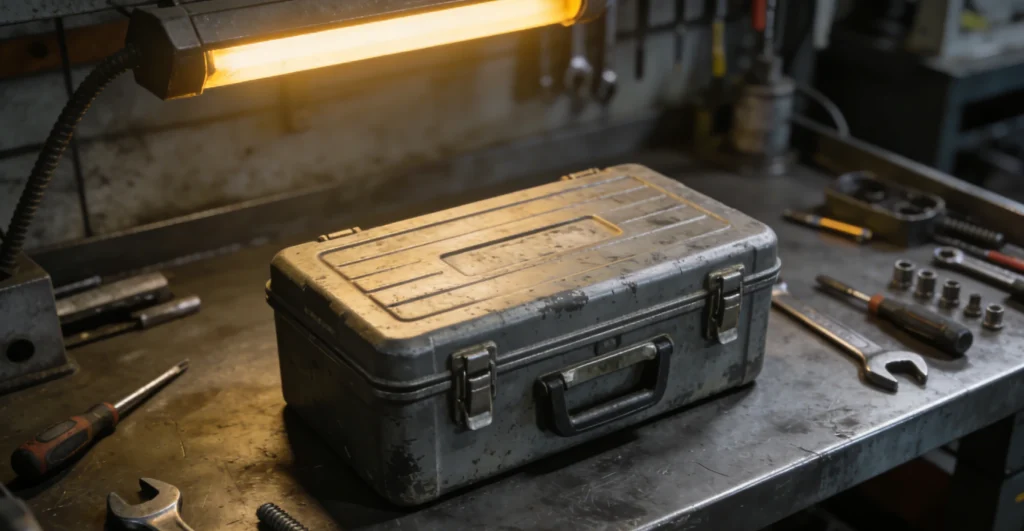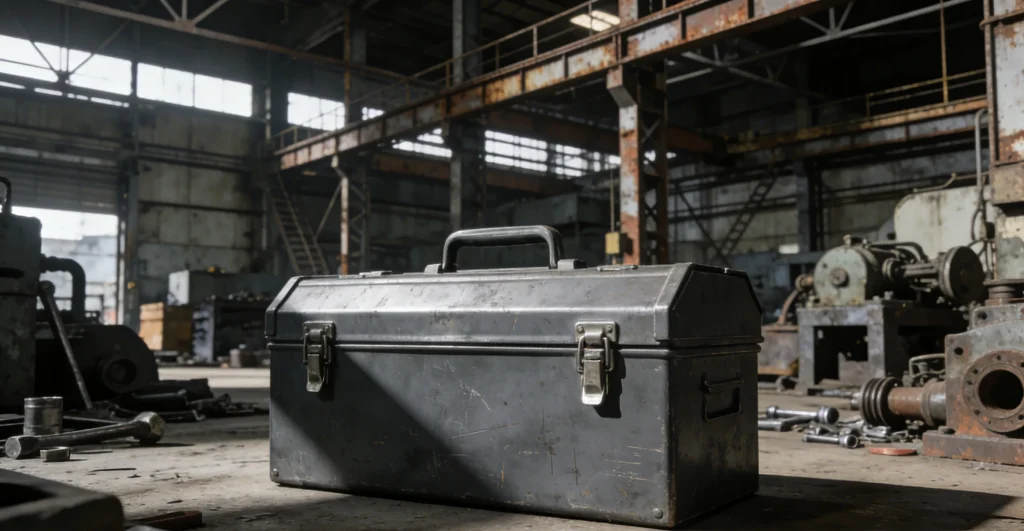
Large tool boxes are commonly used for storing repair tools, industrial equipment, engineering parts, and other professional items. They are widely used in factories, maintenance workshops, construction sites, and many other working environments. Compared with ordinary storage boxes, large tool boxes usually carry more tools and heavier equipment, which means they face more challenges during transportation. Without proper protection, problems such as surface scratches, damaged locks, or collisions between internal tools may occur. Even large aluminum tool boxes, which already have strong durability and protection, still require proper handling during transportation. Preparing the tools, securing the box, and choosing reliable packaging methods can help reduce damage and keep the tool box in good condition for long-term use.
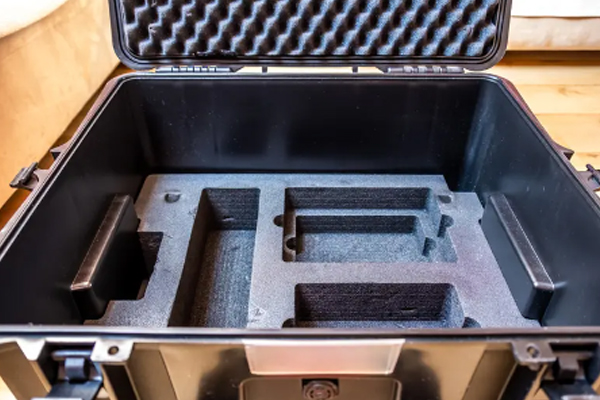
Organize the Inside of the Large Tool Box Before Transportation
Many people think that a strong tool box can simply be filled with tools and transported directly. However, this is one of the easiest details to overlook. Large tool boxes usually have plenty of storage space, and if tools are not arranged properly, they may move around during transportation. Vehicle vibration or handling movement can cause tools to collide with each other, which may affect both the box and the tools inside. Organizing everything before shipping is an important step to improve transportation safety.
Arrange Tools According to Size and Weight
Different tools have different sizes, shapes, and weights. Putting everything together without planning can make the box unstable during transportation. Proper classification helps keep the interior organized and reduces unnecessary movement.
- Place heavy tools at the bottom. This helps keep the center of gravity stable and reduces shaking during transportation.
- Store precision tools separately. This prevents them from hitting other metal tools and reduces the chance of damage.
- Organize small parts in separate sections. Using small containers or compartments prevents parts from becoming scattered.
A well-organized tool box is easier to use after arrival and also provides better protection during transportation.
Check the Tool Box Condition Before Shipping
Besides organizing the tools, it is also important to check the condition of the tool box itself. After long-term use, parts such as locks, hinges, or drawers may become loose. If these issues are ignored, they may create problems during transportation.
- Check whether the locks are secure. This prevents the box from opening during movement.
- Make sure drawers and compartments are stable. This avoids internal parts shifting during transportation.
- Inspect the box for visible damage. Fixing small problems early can prevent bigger issues later.
A quick inspection before shipping can help avoid unnecessary trouble during transportation.
Choose Proper Packaging to Improve Transportation Safety
Many users believe that large tool boxes are already strong enough, so additional protection is unnecessary. However, during actual transportation, tool boxes may go through multiple handling processes. Without extra protection, they can be affected by impacts and friction. Adding suitable packaging, especially for long-distance transportation, can greatly reduce the risk of damage.
Add Protective Materials to Reduce Impact
During transportation, the corners and surfaces of a large tool box are more likely to experience collisions. Adding protective materials can reduce the impact from external forces.
- Use cushioning materials around the box. Foam and shock-resistant pads help reduce vibration damage.
- Protect the corners of the box. Corners are more likely to be damaged during handling.
- Use protective film to prevent scratches. This helps keep the surface clean and intact.
These simple protection methods are practical, especially for long-distance shipping.
Adjust Protection Methods Based on Transportation Conditions
Different transportation methods create different challenges. Short-distance moving and long-distance logistics require different protection strategies.
- Short-distance transportation focuses on fixing the box. Prevent the tool box from moving inside the vehicle.
- Long-distance shipping requires stronger packaging. This reduces risks caused by repeated handling.
- Special environments require moisture protection. This helps protect both tools and the box.
Choosing the right protection method based on the situation is more effective than simply adding more packaging.
Secure the Large Tool Box to Prevent Movement During Transportation
One of the most common reasons for tool box damage is not poor quality, but insufficient fixing during transportation. When a large tool box is not secured properly, vehicle movement and vibration can cause it to slide and collide with other objects. This is especially important for boxes filled with heavy metal tools, as their weight can create stronger impacts.
Use Proper Fixing Methods to Reduce Shaking
Whether the tool box is transported by truck, stored temporarily, or placed on a pallet, keeping it stable is essential.
- Use straps to secure the tool box. This limits unnecessary movement.
- Arrange the placement position carefully. Avoid collisions between multiple tool boxes.
- Keep the bottom surface stable. Prevent tipping during transportation.
- Avoid placing it with sharp objects. Reduce the risk of scratches and surface damage.
Although fixing a tool box may seem like a small step, it plays an important role in reducing transportation damage.
Pay Attention to Weight Distribution Inside the Box
Large tool boxes often have a high storage capacity. If heavy tools are placed unevenly, the box may experience additional pressure during transportation. Proper weight distribution helps maintain stability.
- Avoid placing all heavy tools on one side. Keep the weight balanced.
- Do not exceed the load capacity. Overloading may affect the box structure.
- Choose the right size based on the number of tools. Avoid forcing too many items into a limited space.
Proper weight management helps extend the service life of the tool box and improves transportation safety.
Choose a High-Quality Large Tool Box to Reduce Transportation Risks
Protection during transportation does not only depend on packaging and fixing methods. The quality of the tool box itself also plays an important role. A tool box with a stable structure and reliable material can reduce damage risks from the beginning. For users who frequently transport tools, choosing the right large tool box can make daily work much easier.
Aluminum Large Tool Boxes Are Suitable for Professional Transportation
Large aluminum tool boxes are widely used in industrial, maintenance, and engineering fields because they offer a good balance between strength and practicality. Compared with ordinary materials, aluminum structures provide more stable performance during long-term use.
- Strong aluminum shells provide better protection. They can handle common impacts during transportation.
- Balanced weight and strength make handling easier. The box remains durable without becoming too heavy.
- Suitable for repeated professional use. They meet the needs of companies and professional teams.
For users who frequently transport tools, a high-quality tool box can reduce future maintenance problems.
Practical Designs Improve Daily Tool Management
A good large tool box should not only be suitable for transportation but also convenient for everyday use. Smart design makes tool storage clearer and improves work efficiency.
- Drawer designs make classification easier. Different tools can be stored separately.
- Multi-layer structures increase storage capacity. More space can be used effectively.
- Flexible layouts support different tool requirements. The interior can adapt to different working situations.
- Professional designs improve overall usability. Storage, transportation, and access become more convenient.
How can you protect a large tool box during transportation? The key is not only adding extra packaging but also combining proper tool organization, secure fixing, external protection, and a reliable box structure. Preparing these details in advance can reduce problems such as collisions, scratches, and transportation damage. For users who need to store and transport professional tools regularly, large aluminum tool boxes are a reliable choice thanks to their strong and durable performance. Siphia Box provides high-quality tool box solutions, helping users manage tools more efficiently and meet different storage and transportation needs.