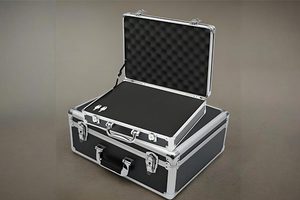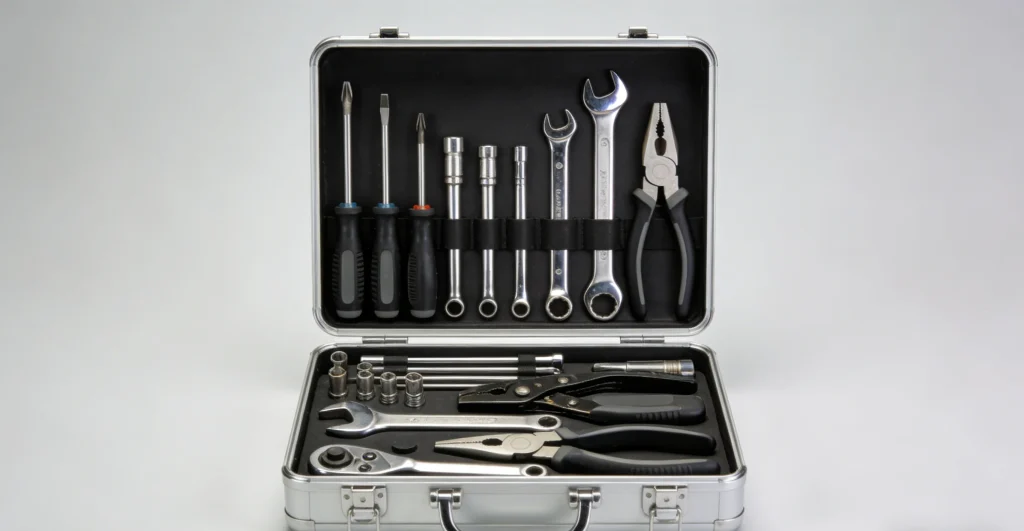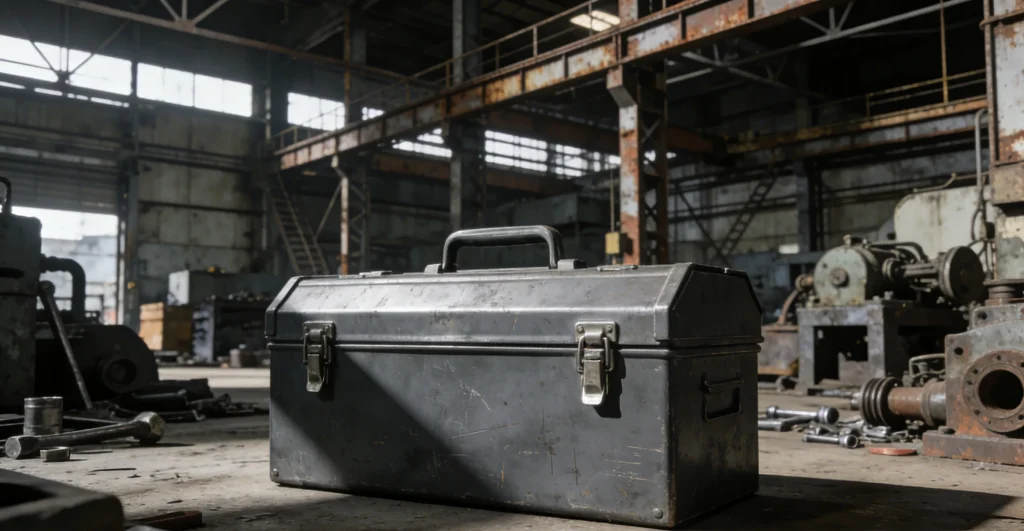
In modern maintenance, industrial production, and professional construction environments, the variety and quantity of tools continue to increase, and traditional tool boxes are gradually becoming unable to meet practical needs in terms of space utilization, classification management, and expansion capability. A modular tool box divides the storage space into multiple independent units through modular design, allowing users to freely combine and adjust the layout according to their needs, making tool management more flexible and efficient. Whether for maintenance workers, engineering teams, or home DIY users, a modular structure can provide a more convenient and professional tool storage experience.
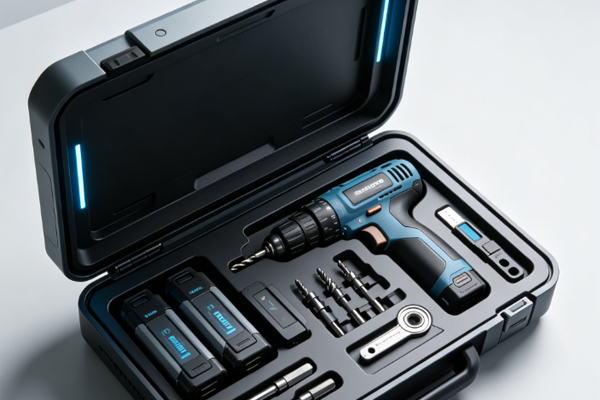
Modular Design Improves Tool Storage Flexibility
The core advantage of a modular tool box is that the modules can be freely combined, making tool storage more suitable for different usage needs.
Flexible Combination Meets Different Tool Requirements
The number and types of tools vary across different work scenarios, and fixed-structure tool boxes often struggle to adapt to long-term changes. Modular combination allows the tool box to be adjusted flexibly according to actual conditions, thereby improving storage adaptability.
- Adjust combinations according to the number of tools: Users can choose different module combinations based on the tools they already have, avoiding insufficient space or wasted capacity.
- Adapt to different tool sizes: Large equipment, small parts, and commonly used maintenance tools can be stored separately, making internal space usage more reasonable.
- Support adding modules later: When the number of tools increases, new storage modules can be added without replacing the entire tool box.
Flexible combination methods allow the modular tool box to adapt to different stages of tool management needs and maintain strong practicality as tools change.
Optimize Space Utilization
The modular structure can make better use of the internal space of the tool box, allowing different tools to find suitable positions. Through reasonable zoning and layout, the tool box can hold more tools within a limited volume while remaining neat and organized. This design not only improves space utilization efficiency but also makes tool placement more intuitive, reducing the time spent searching and organizing.
Modular Design Improves Tool Management Efficiency
A modular tool box not only changes the storage method but also optimizes the daily tool usage process. With clearer classification and more defined storage logic, tool management becomes more efficient.
Clearer Classification Management
In maintenance work, searching for tools often affects the overall workflow, and proper classification can reduce wasted time. Modular design gives different tools clear positions, making them easier to identify and access quickly.
- Store frequently used tools separately: Wrenches, screwdrivers, pliers, and other high-frequency tools can be placed in easy-to-reach positions to improve work efficiency.
- Centralize small accessories: Screws, washers, drill bits, and similar parts can be stored in dedicated modules to reduce scattering and loss.
- Store professional tools by zone: Testing equipment, power tools, and similar items can be managed separately to reduce damage caused by collisions between tools.
A clear classification structure helps users develop more standardized tool management habits and makes every retrieval and return more efficient.
Reduce Organization Time
Traditional tool boxes often become cluttered after long-term use, while modular design can reduce the difficulty of organizing. With fixed positions and clear divisions, users can complete storage and return tasks more quickly.
- Fixed positions make returning tools easier: Each tool has a corresponding storage area, allowing it to be quickly put back after use.
- Reduce repeated searching: A clear tool layout helps users locate the needed equipment quickly.
- Improve team collaboration efficiency: When multiple people use the tools, a unified classification method helps members quickly understand where tools are stored.
An efficient organization method makes the workflow smoother and more stable, while also keeping tool management orderly over the long term.
Modular Design Enhances Tool Box Expansion Capability
As work demands change, the number of tools usually continues to grow, and modular design can provide longer-lasting value. It is not only suitable for current use but also leaves room for future expansion.
Meet Long-Term Tool Growth Needs
Tool management needs are not fixed, and a modular structure provides continuous adjustment space. As the variety of tools increases, users can keep optimizing the tool box configuration. When new tools are added, expansion modules can be used to increase storage space without having to buy a new tool box. At different stages, module positions can also be reorganized according to usage habits, thereby extending the service life of the tool box and reducing long-term usage costs.
Adapt to Multiple Work Environments
Modular design allows the tool box to be adjusted according to the scenario, improving its range of applications. Different work environments have different requirements for tool capacity and storage methods, and modular structures can better meet these differences.
- Suitable for industrial maintenance environments: When there are many large maintenance devices, multiple modules can be combined to meet capacity needs.
- Suitable for automotive repair scenarios: Different repair tools can be stored by zone to improve workshop operation efficiency.
- Suitable for home DIY scenarios: Users can choose smaller module combinations to meet daily repair and crafting needs.
The flexible structure allows the modular tool box to cover more application scenarios and maintain stable storage performance in different usage environments.
Modular Design Improves Tool Protection
In addition to making management easier, the structural design of a modular tool box can also better protect the tools inside. Reasonable module separation and fixing methods can reduce tool wear and extend service life.
Reduce Damage from Tool Collisions
Tools stored together for long periods are prone to scratches and collisions. Modular design effectively reduces such wear through separated storage and stable fixation.
- Independent modules reduce contact: Different tools are stored separately, reducing friction between them.
- Fixed areas reduce movement: A reasonable layout helps prevent tools from shaking during transport.
- Extend tool service life: A good storage environment helps tools maintain stable performance.
A well-designed protection system improves the long-term user experience and helps tools remain more reliable during frequent carrying and repeated use.
Improve Convenience for Mobile Use
A modular tool box is not only suitable for fixed storage but also convenient for mobile work. For users who need to carry tools frequently, modular structures can significantly improve convenience.
- Easier to carry individually: Users can choose the corresponding module according to the task without carrying the entire tool system.
- More stable during transport: Proper connections between modules improve safety during movement.
- Adapt to on-site work needs: Maintenance workers can quickly adjust tool configurations according to different tasks.
Convenient mobility further enhances the practical value of the modular tool box and makes it more reliable in off-site repairs, on-site construction, and temporary work.
Modular design turns a tool box from a simple storage container into a practical system that can support workflows and improve operational efficiency. It shows clear advantages in classification, expansion, protection, and mobility, making it especially suitable for users with many tools, high usage frequency, and changing work scenarios. For those who want to improve storage efficiency and user experience, choosing a tool box with a reasonable structure and flexible combination often makes daily work more time-saving and labor-saving. SIPHIA BOX continues to focus on the real needs of tool storage and is committed to providing users with more professional and durable modular storage solutions.